







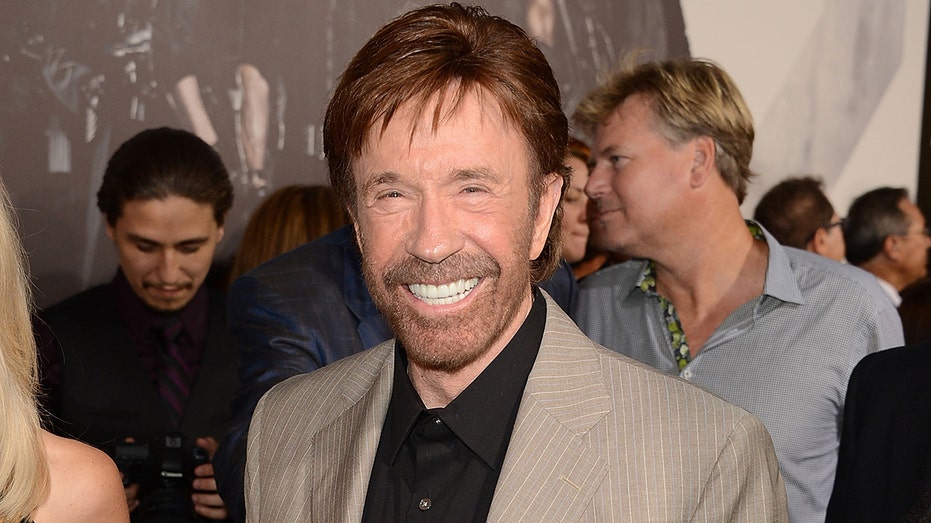
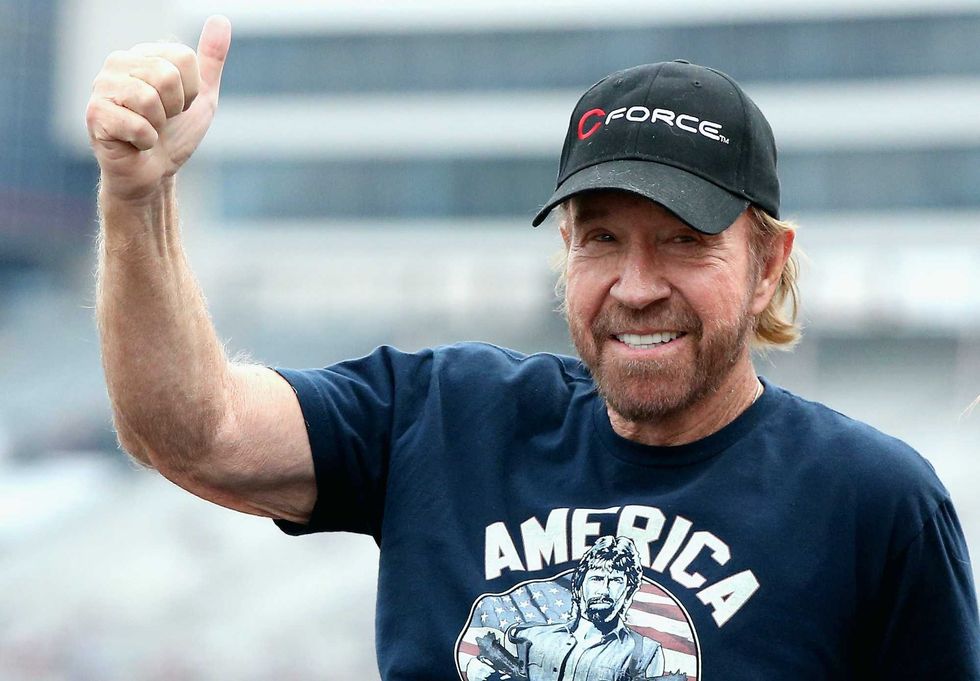
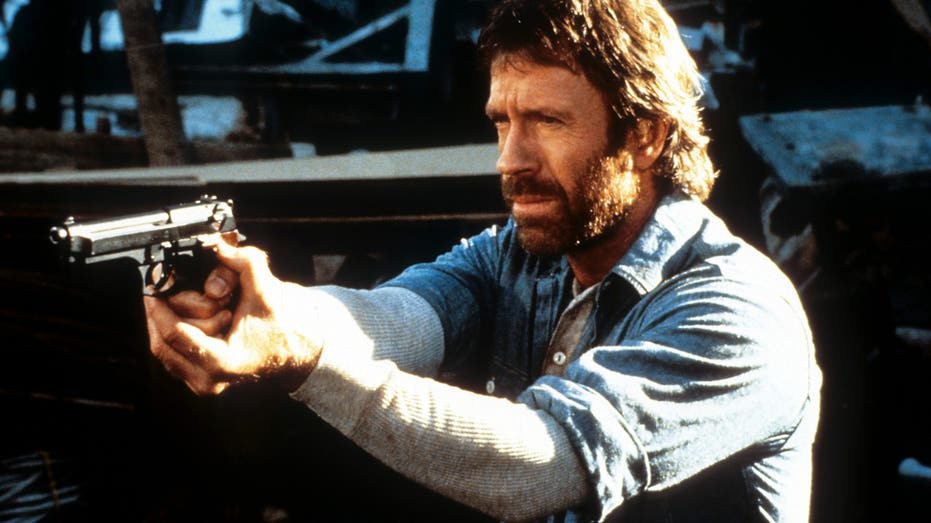
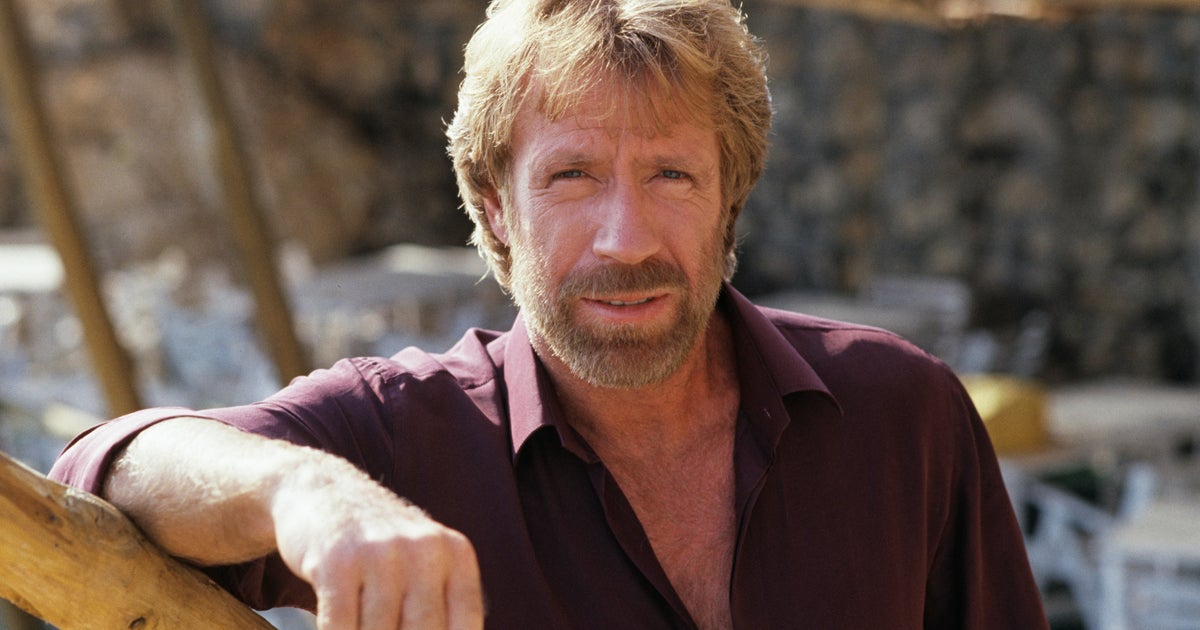
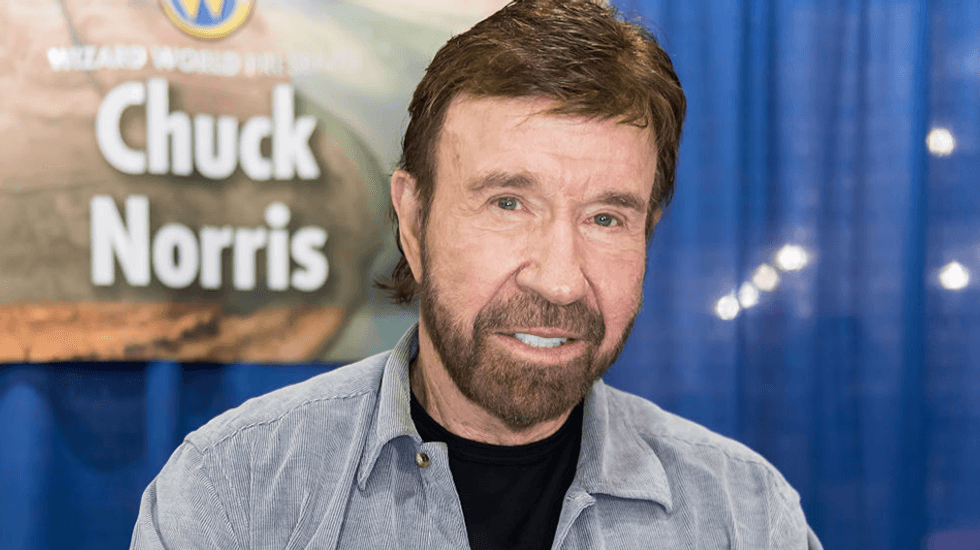
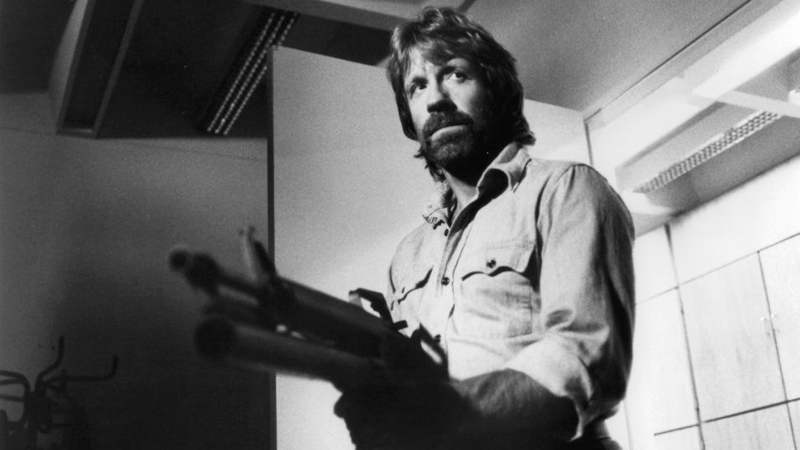
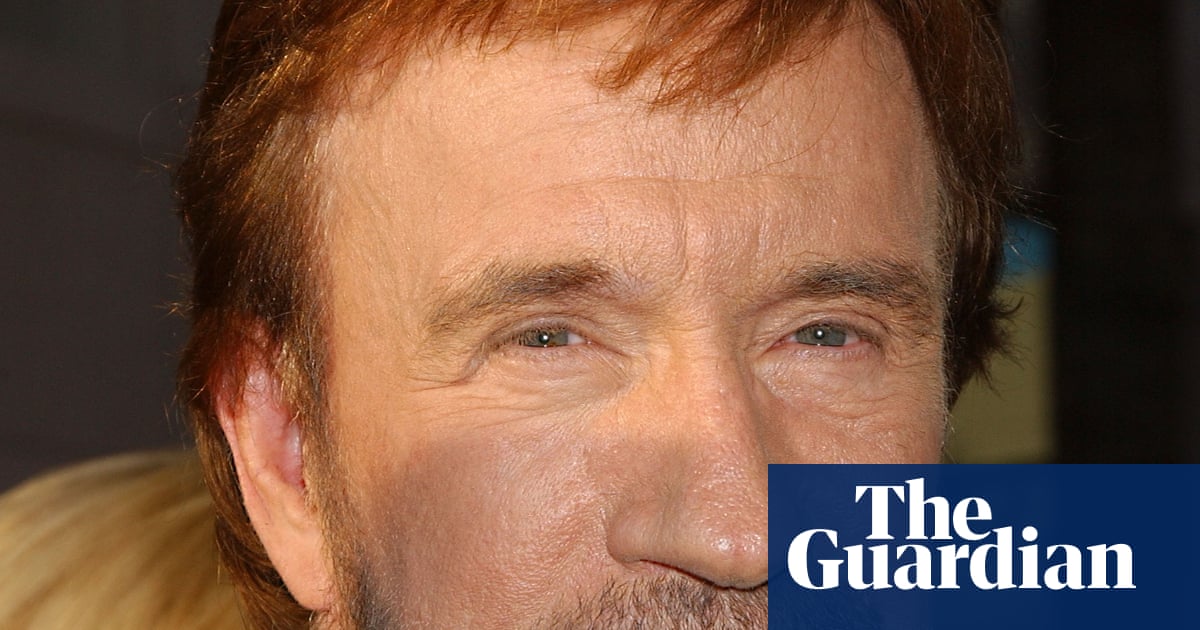
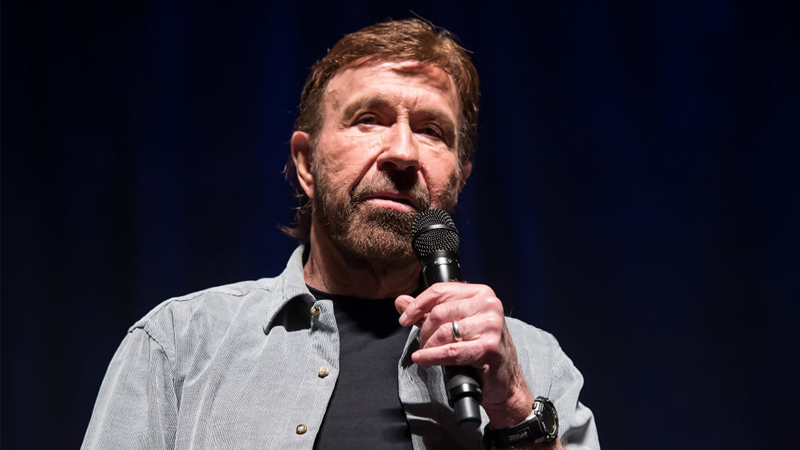
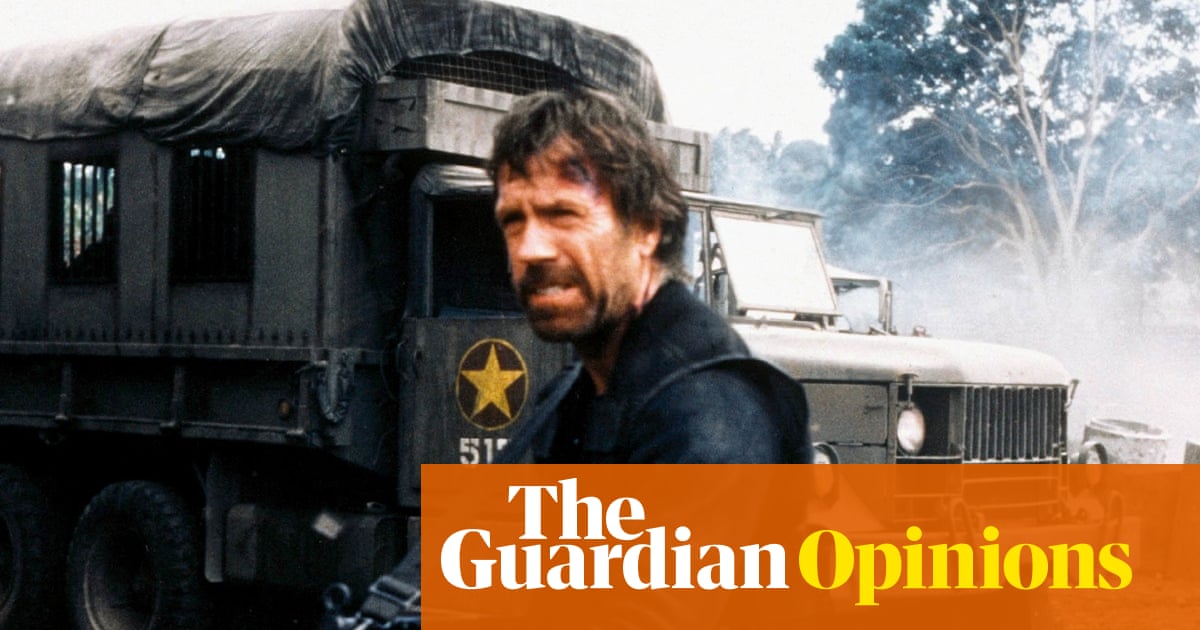
Chuck Norris, the martial arts champion and Hollywood action star best known for films like “The Way of the Dragon,” “Missing in Action,” “The Delta Force,” and the television series “Walker, Texas Ranger,” has died at the age of 86, according to statements from his family cited across both liberal and conservative outlets. Reports from both sides agree he was born Carlos Ray Norris in Oklahoma in 1940, served in the U.S. military in Korea where he began martial-arts training, became a world karate champion, then parlayed that success into a prolific screen career that defined a strand of 1980s and 1990s action cinema; accounts also converge that he died peacefully, surrounded by family, after a brief or unspecified medical issue, with details of the exact cause left private.
Coverage across the spectrum emphasizes his dual legacy as both a pop-culture icon and a larger-than-life figure whose “toughness” became internet lore via “Chuck Norris facts” memes he himself occasionally embraced. Liberal and conservative outlets alike note his patriotic, veteran-focused image, his philanthropic work with youth—especially the Kickstart Kids-style programs that teach discipline and values through martial arts—and the way his roles crystallized a distinctly American action-hero archetype rooted in rugged individualism and law-and-order themes, while also acknowledging his later status as a conservative political activist and Christian public figure as part of the broader context of his career.
Areas of disagreement
Emphasis of legacy. Liberal-aligned outlets tend to foreground Norris’s filmography, his place in 1980s action cinema, his martial-arts accomplishments, and his cultural afterlife as a meme, sometimes presenting his politics as one facet among many or as a complicating element. Conservative outlets place heavier emphasis on his character and values, presenting him foremost as a patriot, veteran, Christian, and philanthropist whose off-screen work with troops and children rivals or exceeds his Hollywood fame, and they more frequently quote admirers who call him a great American icon.
Role of politics and ideology. Liberal coverage is more willing to describe Norris as a prominent supporter of right-wing causes, sometimes highlighting his shift away from the Democratic Party and noting that his “cop agenda” and tough-on-crime roles are controversial in today’s political climate. Conservative coverage, by contrast, frames his political stances as principled and patriotic, spotlighting his support for gun rights, Israel, and Republican candidates, and often criticizing liberal media for allegedly trying to tarnish his image by tying his legacy too tightly to ideology.
Faith and personal morality. Liberal sources generally mention his Christianity, if at all, briefly and in a descriptive, biographical way, focusing less on its doctrinal content and more on how it influenced later projects like “Walker, Texas Ranger.” Conservative outlets make faith central to the narrative, repeating Norris’s own accounts of being “saved” from Hollywood excess by his mother’s prayers and his return to childhood belief, and portraying his life story as a testimony about spiritual redemption and moral resilience.
Cultural interpretation of his image. Liberal-aligned pieces are more likely to situate Norris within broader debates about American masculinity, policing, and vigilante-style justice, sometimes suggesting that his lone-ranger persona is harder to celebrate uncritically in the current era. Conservative coverage instead treats that same persona as timelessly admirable, arguing that his tough, law-and-order roles expressed core American virtues and rejecting critiques of his “cop agenda” as examples of political correctness or anti-police bias.
In summary, liberal coverage tends to treat Norris primarily as a major but somewhat complicated pop-culture figure whose politics and law-and-order image intersect with contemporary debates, while conservative coverage tends to celebrate him as an unambiguous American hero whose patriotism, faith, and personal virtue are central to understanding his life and legacy.
Story coverage




conservative
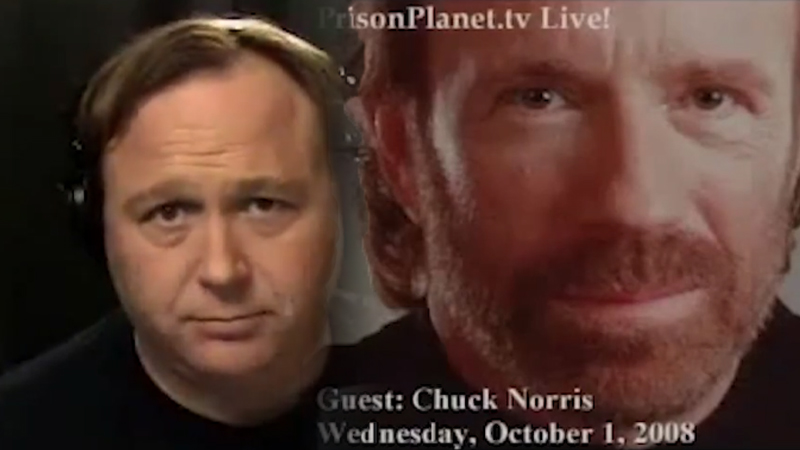
Flashback: Alex Jones Interviews Chuck Norris
Rest in peace, Chuck — a true legend.
4 days ago