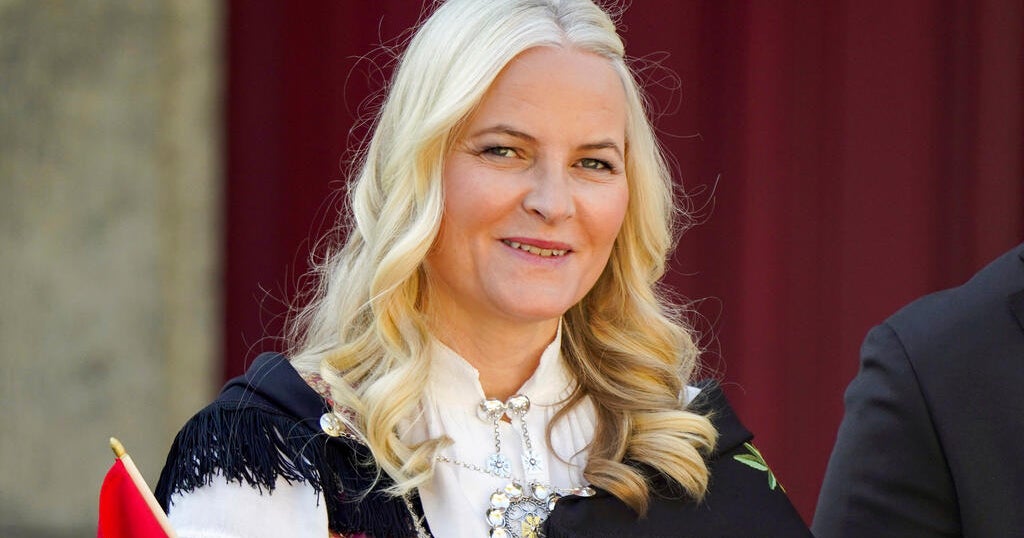
Norway’s Crown Princess Mette-Marit has given her first detailed public account of her ties to Jeffrey Epstein, saying she was “manipulated and deceived” and felt unsafe during a 2013 visit to his Florida mansion. Across outlets, coverage agrees that she met Epstein several times between roughly 2011 and 2014, that she now admits she should have done more to check his background, and that her comments were triggered by renewed scrutiny following the release of Epstein court documents. Liberal-aligned reports also concur that an investigation has been opened in Norway into links between Epstein and the foreign office, and that email records show she searched for information about him after his earlier conviction, a point now central to questions about what she knew and when.
Coverage also converges on the broader context: Epstein’s status as a convicted sex offender, his pattern of cultivating elites, and the reputational dangers for institutions tied to him. Reports agree that Mette-Marit’s remarks come amid wider challenges for the Norwegian monarchy, including a rape trial involving her son Marius Borg Høiby, in which prosecutors are reportedly seeking a seven-year prison term. Liberal sources emphasize that public support for the royal family has recently fallen to around 60 percent, and they situate her apology within ongoing debates about accountability, transparency, and how powerful figures, including royals and diplomats, became entangled with Epstein’s network.
Areas of disagreement
Credibility of her explanation. Liberal-aligned outlets tend to frame the princess’s claim of being manipulated as partly credible but complicated, highlighting the tension between her assertion of ignorance and evidence that she Googled Epstein after his conviction, and they often treat her admission of gullibility and regret as a step toward accountability. In contrast, conservative commentators (where they weigh in) are more inclined to cast doubt on her narrative, emphasizing personal responsibility and questioning how a highly resourced royal could plausibly remain unaware of his crimes, portraying the “deceived” claim as damage control rather than a fully honest reckoning.
Focus of scrutiny. Liberal coverage generally widens the lens to include systemic issues, such as the role of Norway’s foreign office, elite networks, and institutional vetting failures that enabled Epstein to maintain high-level contacts after his conviction. Conservative narratives, by contrast, are more likely to concentrate scrutiny on the individual royal’s judgment and choices, suggesting that elite figures escape the standards applied to ordinary people and downplaying bureaucratic or structural explanations in favor of personal culpability.
Link to broader royal scandals. Liberal sources connect the Epstein revelations to the simultaneous rape trial of Mette-Marit’s son and the monarchy’s slipping approval ratings, portraying a royal house under mounting ethical and public-relations pressure that may prompt reforms in transparency and conduct. Conservative voices, when they engage, tend to stress the pattern of scandal as evidence of a deeper cultural rot or double standards in royal circles, using the coincidence of the son’s trial and the Epstein ties to argue that the entire institution is morally compromised rather than merely undergoing a difficult period.
Interpretation of motive. Liberal-leaning coverage often presents her interview as a response to legitimate public pressure and the new Epstein files, suggesting she is trying to meet rising expectations for openness from public figures. Conservative-leaning commentary is more likely to see the timing as reactive reputation management aimed at shoring up a weakened monarchy, interpreting her claims of manipulation as an attempt to preserve status and public funding rather than a primarily moral or civic act.
In summary, liberal coverage tends to integrate her claims of manipulation into a wider critique of elite networks and institutional failures, while conservative coverage tends to foreground personal responsibility and portray her explanation as self-serving damage control that reinforces skepticism toward the monarchy.
Story coverage