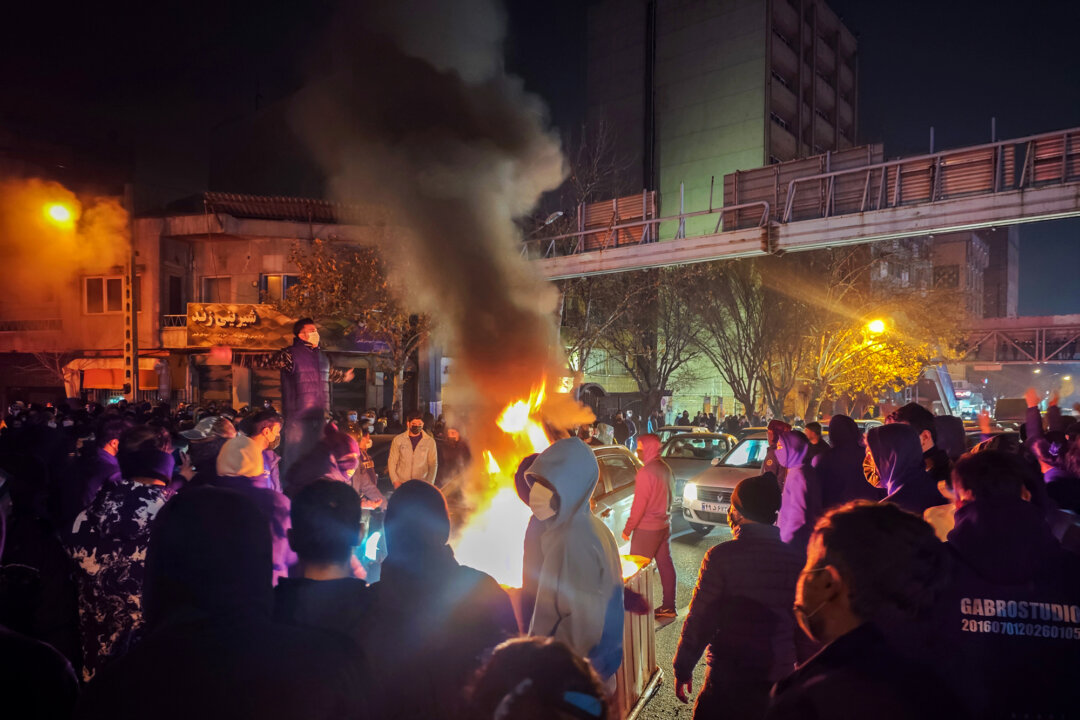



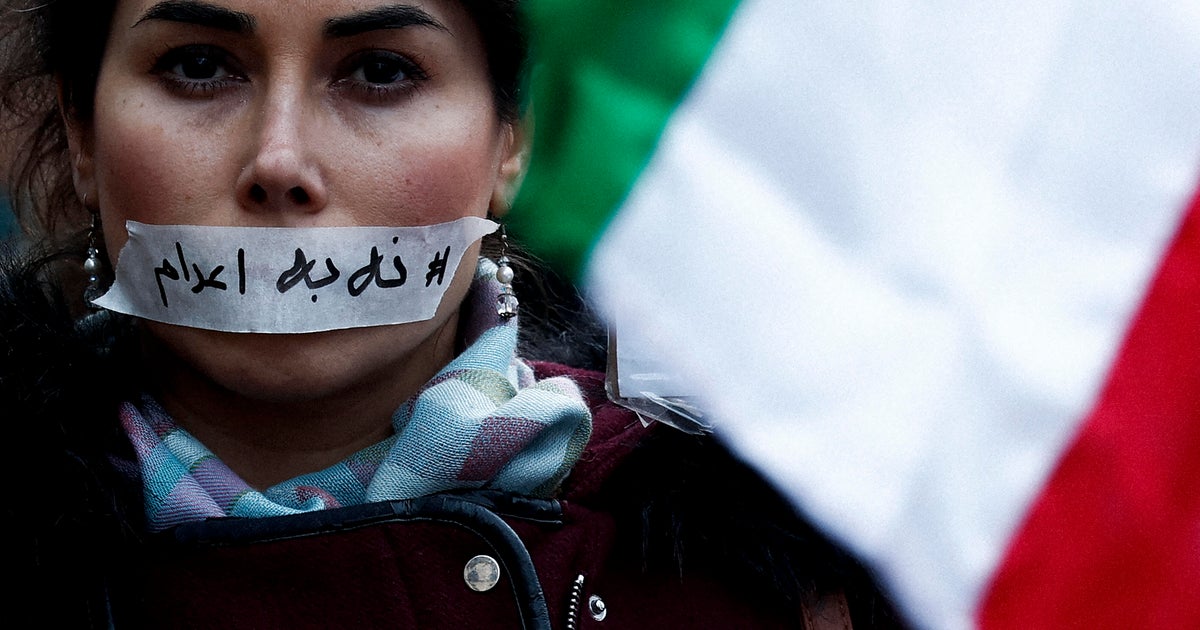
Iran has executed three men by hanging for their alleged roles in anti-government protests in January, with both liberal and conservative outlets agreeing on the core facts: the men were young, one was a 19-year-old or teen national-level wrestler named Saleh Mohammadi, and they were accused of killing police officers during unrest. The executions took place in the city of Qom and are being reported as the first hangings directly linked to those specific January protests, with rights groups and media across the spectrum noting that the other two men have been identified as Mehdi Ghasemi and Saeed Davoudi.
Coverage on both sides highlights that Iranian authorities charged the men with serious offenses, including killing two police officers and the religiously framed crime of "Moharebeh," and alleged that they acted on behalf of foreign enemies such as Israel and the United States. Liberal and conservative outlets alike contextualize the executions within Iran’s broader crackdown on dissent, the use of capital punishment as a political tool, and heightened regional tensions involving Iran, Israel, and the United States, while also pointing to concerns from human rights organizations about a possible broader wave of executions targeting protesters and opposition figures.
Areas of disagreement
Legitimacy of the trials and evidence. Liberal-aligned sources heavily emphasize claims from rights groups that the three men were denied fair trials, subjected to torture, and coerced into making confessions, casting the proceedings as extrajudicial and fundamentally illegitimate. Conservative sources report the Iranian Supreme Court’s verdict, the formal charges of killing police officers and Moharebeh, and the official claim they acted for Israel and the United States, treating these details more as stated facts than as inherently suspect. While conservatives do note human rights concerns and fears of a wider execution campaign, they tend to foreground the judiciary’s formal findings, whereas liberals foreground allegations of fabricated or forced evidence.
Framing of the executed men. Liberal coverage humanizes the men, especially Mohammadi, stressing his status as a national or champion wrestler, his young age, lack of violent history, and support from his family and the wrestling community, arguing that the regime is targeting symbolic, beloved figures to intimidate society. Conservative outlets do acknowledge the youth and athletic status of one of the men but focus more on their official designation as protesters or convicts tied to deadly attacks on police. The liberal framing centers on victims of state brutality, while the conservative framing more often balances their personal profiles against the state’s depiction of them as serious offenders.
Characterization of the executions. Liberal-leaning reports use morally charged language such as "barbaric" and "public execution," emphasizing cruelty, spectacle, and the executions’ role in terrorizing the population into submission. Conservative coverage is more restrained in tone, describing the events as executions by hanging and echoing human rights fears of a coming execution "wave" without the same intensity of condemnatory language, even as they portray the actions as harsh repression. Both sides see the executions as part of a crackdown, but liberals cast them explicitly as barbarism and murder, while conservatives more often frame them as repressive state punishment within Iran’s existing legal framework.
Geopolitical and strategic emphasis. Liberal sources tend to portray the foreign-agent accusations (ties to Israel and the United States) as a familiar propaganda tool of the Iranian regime to discredit domestic dissent and justify lethal force, largely downplaying any substantive basis for such claims. Conservative outlets give somewhat more space to Iran’s stated rationale that the men acted on behalf of foreign enemies and situate the story within broader regional confrontation, suggesting the regime is using security pretexts to tighten its grip amid tensions with Israel and the United States. The liberal narrative stresses internal human rights abuses and authoritarian control, whereas the conservative narrative more evenly integrates the executions into a security and geopolitical context alongside civil-liberties concerns.
In summary, liberal coverage tends to frame the executions as illegitimate, "barbaric" state killings of symbolic protest figures based on coerced confessions and propaganda, while conservative coverage tends to present the judiciary’s charges and security framing more neutrally, emphasizing repression and regional tensions without as consistently dismissing the regime’s stated legal and geopolitical justifications.
Story coverage