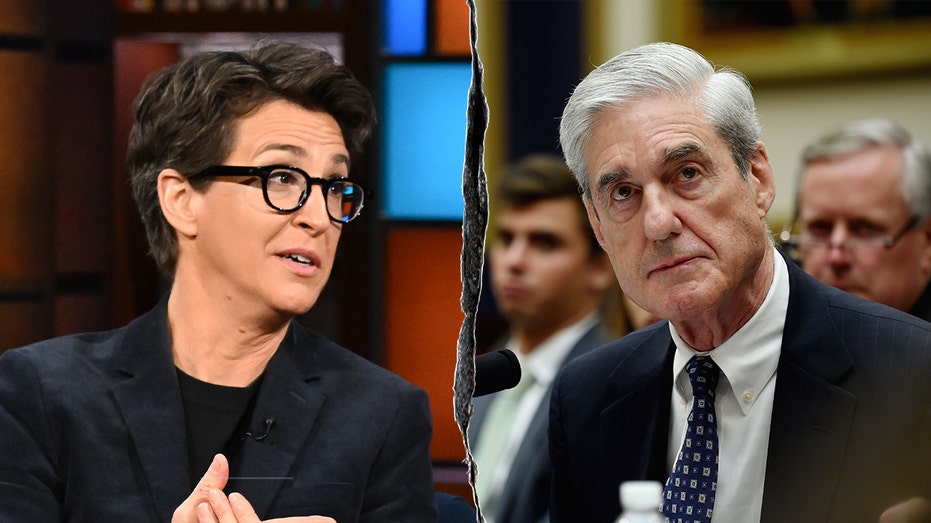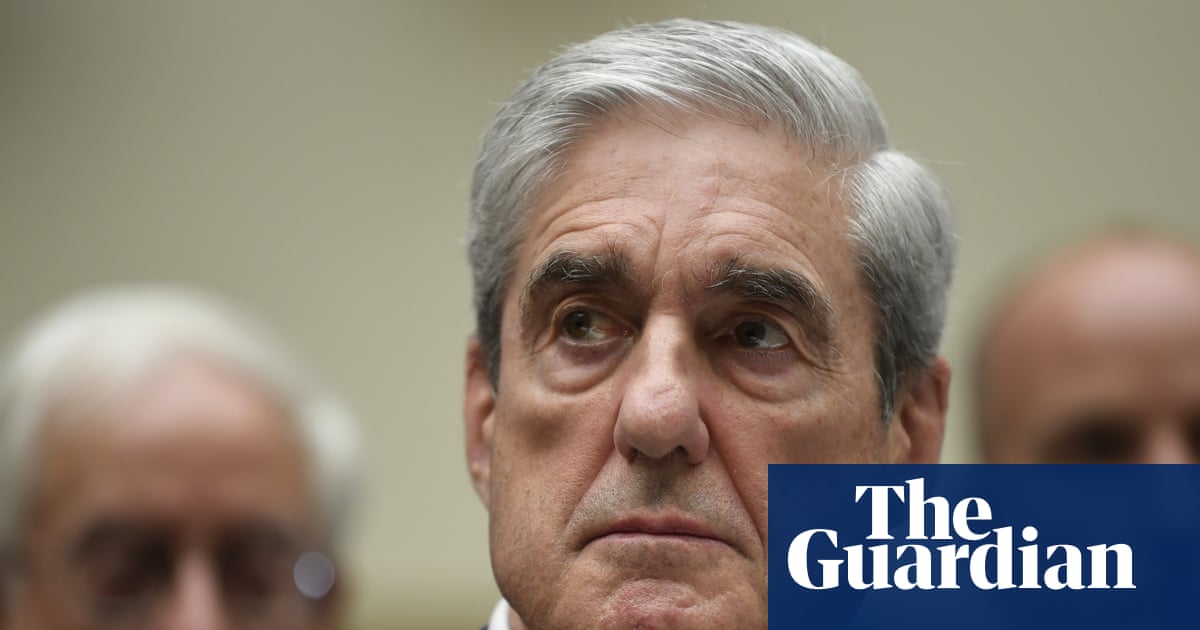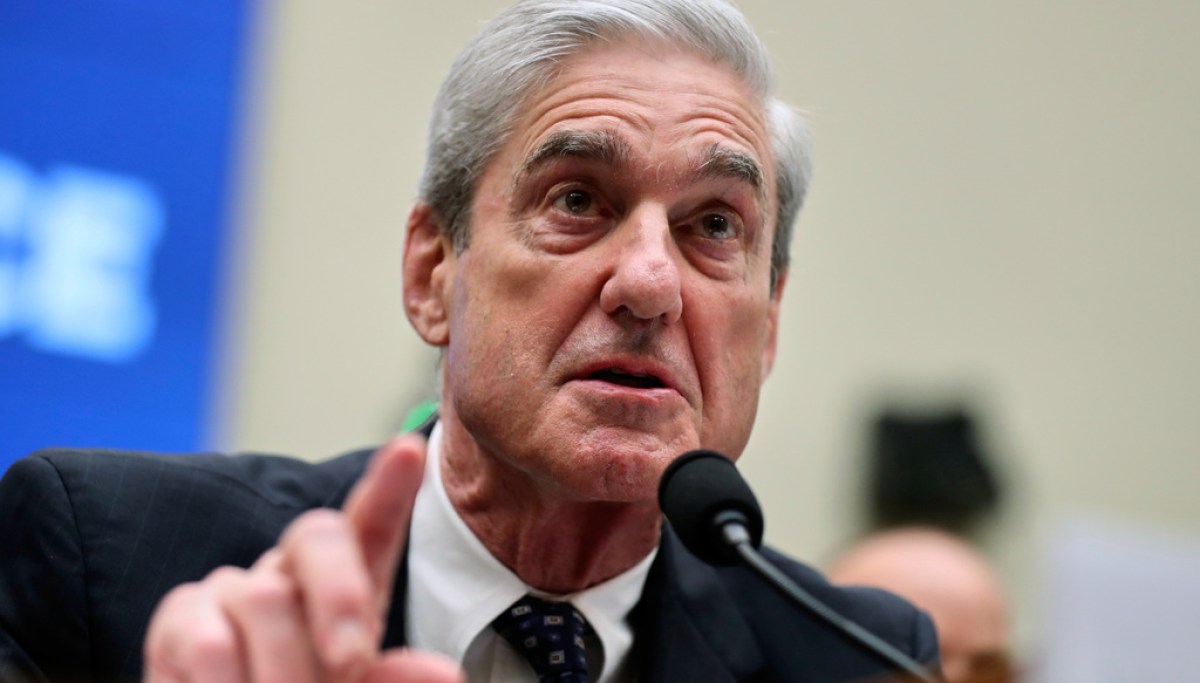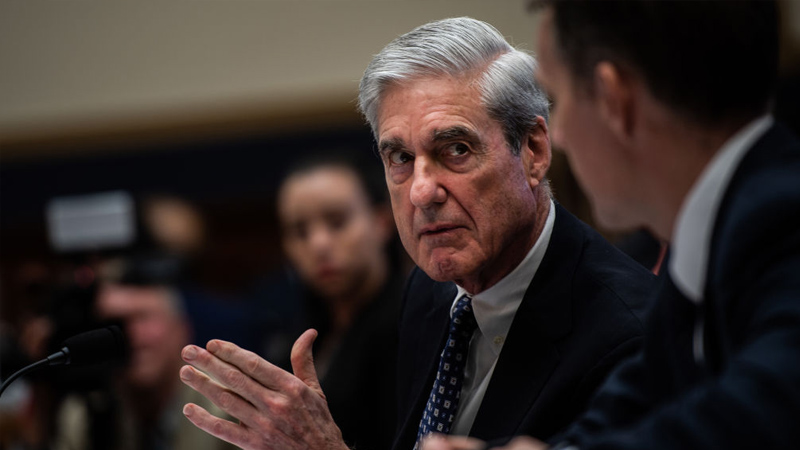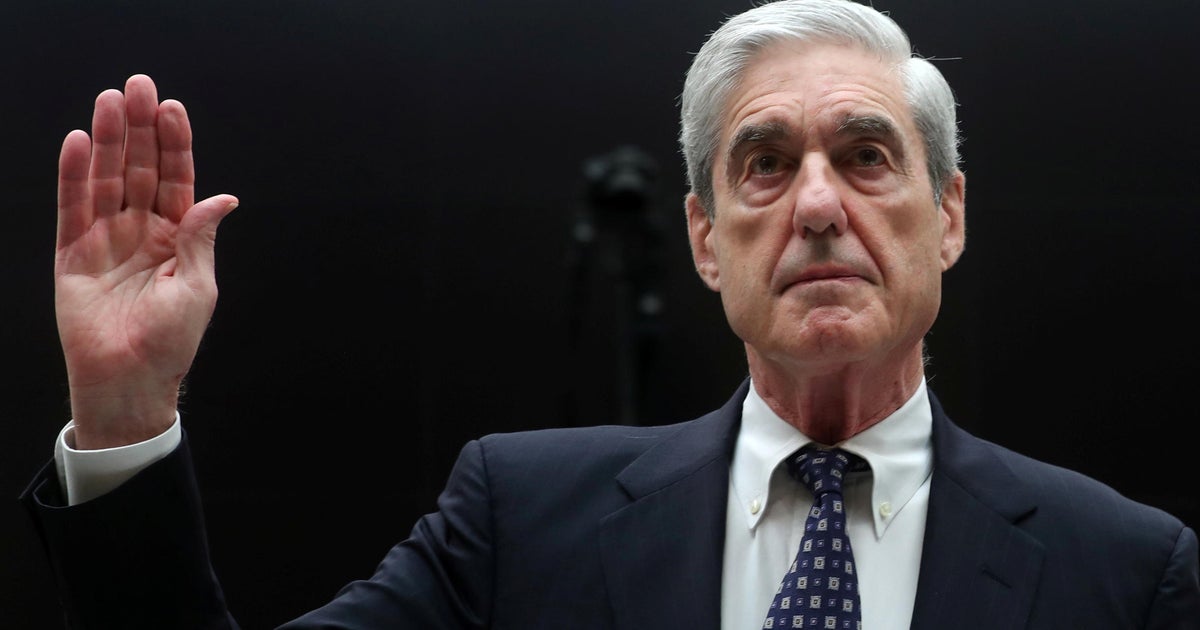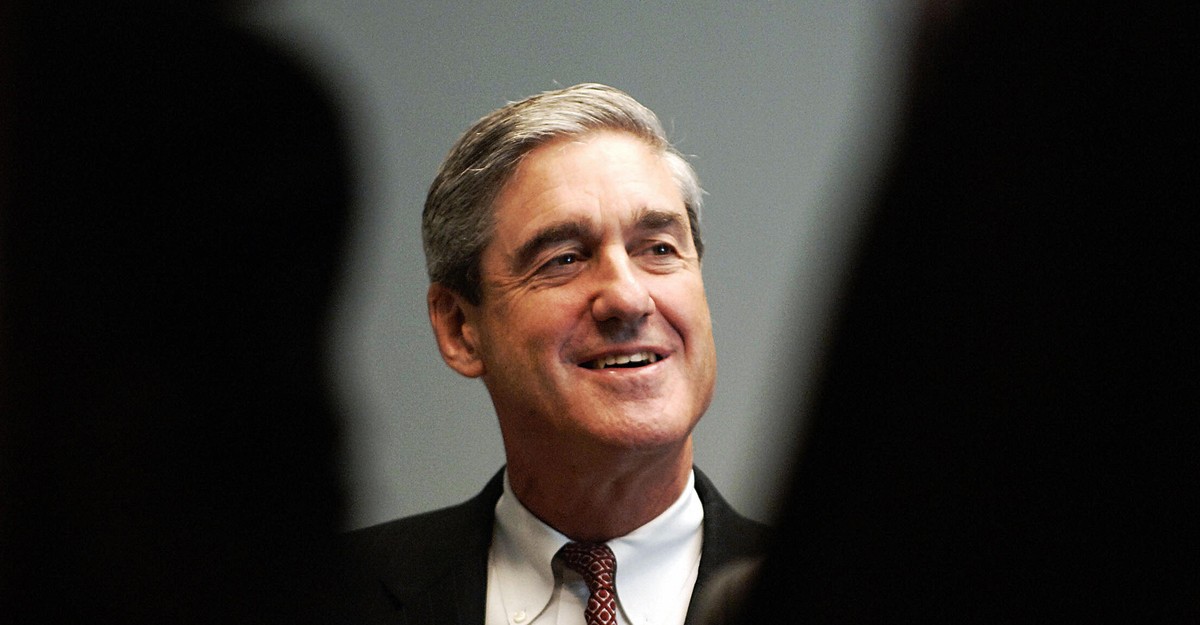





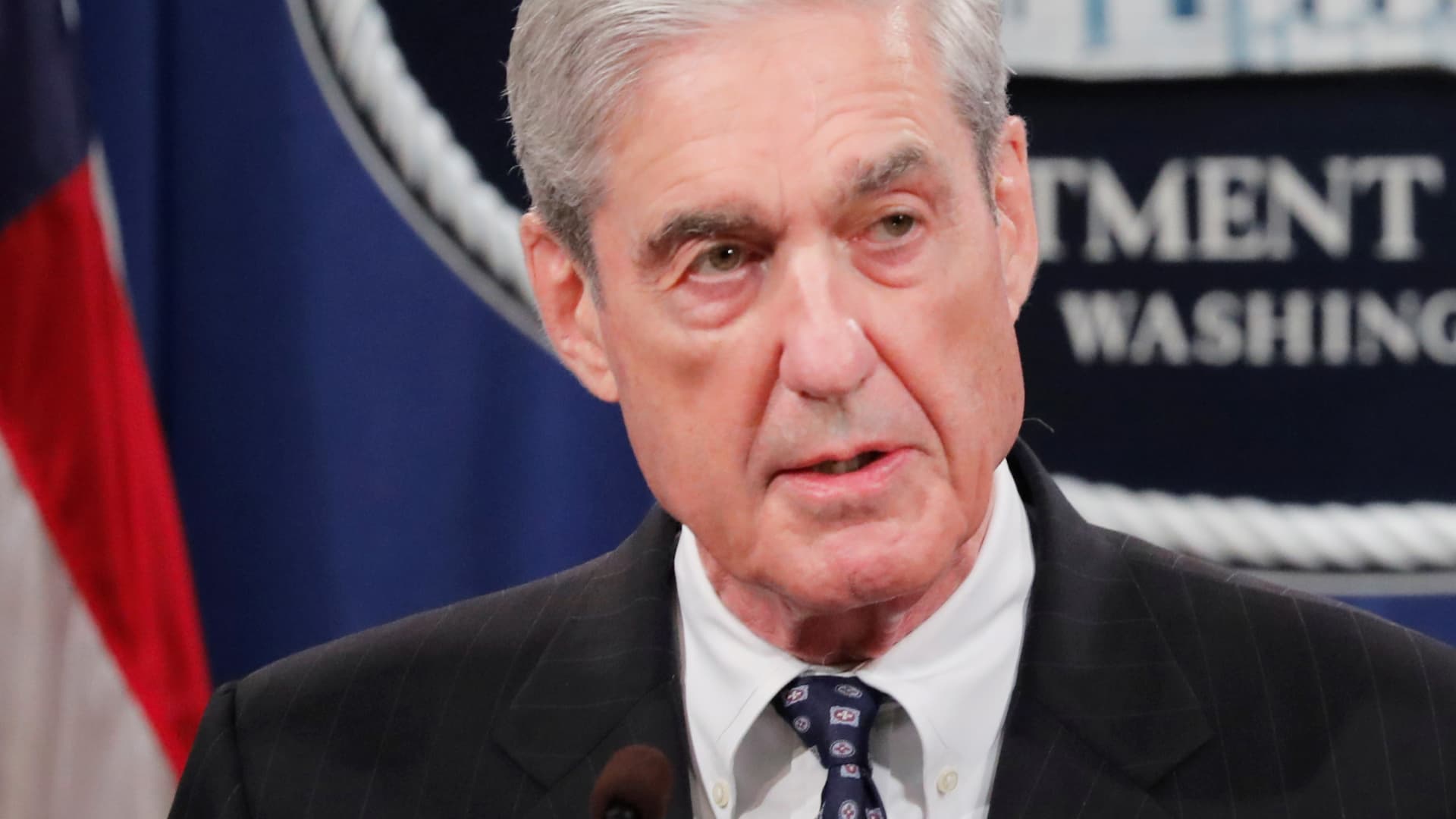
Robert Mueller, the former FBI director and special counsel who led the investigation into Russian interference in the 2016 U.S. presidential election, has died at the age of 81. His family confirmed his passing on a Friday, noting that he had been suffering from Parkinson’s disease, though the specific cause of death was not immediately disclosed. Both liberal and conservative outlets agree that Mueller served as FBI director from 2001 to 2013 under presidents of both parties and was appointed special counsel in 2017 to examine Russian efforts to influence the election and any links to the Trump campaign. Coverage across the spectrum acknowledges that his probe concluded Russia interfered in the election, found no prosecutable criminal conspiracy between the Trump campaign and Russia, and documented Trump’s attempts to control or undermine the investigation, while also recalling Mueller’s broader career as a Marine veteran, prosecutor, and long-serving law enforcement official.
Across ideologically different outlets, Mueller is described as a central figure in a tumultuous era of U.S. politics, embodying the tensions between law enforcement institutions and partisan conflict. Both sides situate his work within the larger framework of U.S. national security, election integrity, and the power of the Justice Department and FBI to investigate presidents. Reports note that the Mueller probe spawned numerous indictments and fed into subsequent inquiries, including John Durham’s review of the origins of the Russia investigation and debates over the Steele dossier, underscoring how Mueller’s tenure became intertwined with questions about intelligence practices and political oversight. Obituaries and news reports alike place his death as the symbolic close of a chapter marked by the Trump-Russia saga, the handling and rollout of the Mueller report, and enduring disputes over the boundaries between independent investigations and partisan politics.
Areas of disagreement
Legacy and character. Liberal-aligned outlets largely portray Mueller as a decorated Marine, dedicated public servant, and principled law enforcement figure whose integrity was affirmed by colleagues from both parties, even as some liberal commentators fault him for being outmaneuvered by Bill Barr and too cautious in confronting Trump. Conservative outlets are far more divided, with some straight-news pieces giving neutral biographical summaries but many opinion writers labeling him a “dirty cop,” central player in a “Russia collusion sham,” or one of the most corrupt figures in recent history. Where liberal coverage tends to pair criticism of Trump’s behavior with praise for Mueller’s personal restraint, conservative commentary often inverts that framing, suggesting Mueller’s reputation was inflated by the media and irreparably damaged by his handling of the investigation.
Meaning of the Russia investigation. Liberal sources emphasize that Mueller definitively established Russian interference in 2016, documented serious misconduct and obstruction-like behavior by Trump, and produced a record that, in their view, Congress or voters should have used more forcefully, even if no criminal conspiracy was charged. Conservative coverage focuses on the lack of a collusion charge, highlighting that Mueller “found no Trump-Russia collusion” and framing the probe as a partisan or baseless exercise built on flawed intelligence. Some conservative outlets heavily stress the discrediting of the Steele dossier and cite John Durham’s findings to argue the investigation’s foundation was rotten, while liberal outlets either treat those issues as separate from Mueller’s core findings or as overemphasized by his critics.
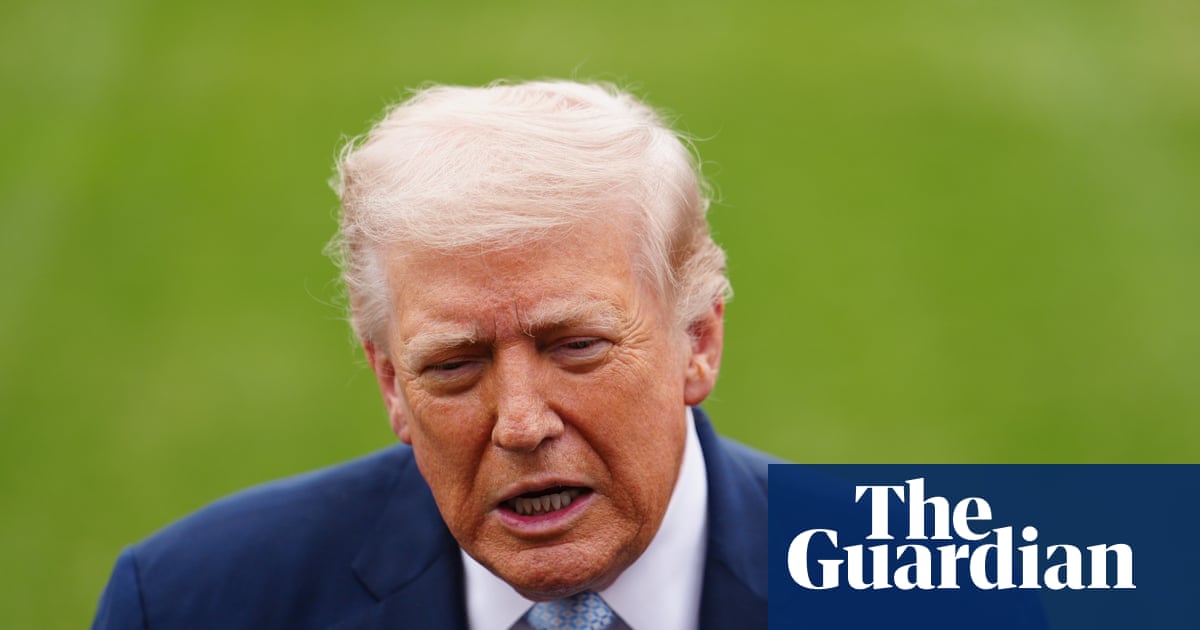
Reaction to Trump’s comments. Liberal reporting centers Trump’s “I’m glad he’s dead” response as vile, indecent, and emblematic of his long history of cruel rhetoric, quoting both Democrats and some Republicans condemning his remarks as unfit for a national leader. Conservative coverage, particularly in opinion pieces, often defends or contextualizes Trump’s reaction by stressing what Trump and his allies “endured” during the probe and portraying Mueller’s work as having harmed “innocent people.” While some right-leaning straight-news pieces neutrally report the backlash to Trump’s comments, others echo his language that Mueller can no longer hurt people and treat the anger over his post as evidence of media and Democratic double standards.
Media and institutional performance. Liberal commentary tends to fault institutional actors like Barr and, to a lesser extent, Mueller himself for failing to communicate the report’s gravity, arguing that Barr’s framing blunted its impact and that Mueller’s restraint allowed Republicans to control the narrative. Conservative outlets instead cast the broader law-enforcement and media ecosystem as the primary villains, arguing that the FBI, DOJ, and major networks pushed a “witch hunt” narrative for years and misled the public about collusion. To liberals, Mueller’s death marks the end of an era in which institutions tried, but partly failed, to hold Trump accountable; to many conservatives, it caps a period they see as defined by overreach and weaponization of those same institutions against Trump and his supporters.
In summary, liberal coverage tends to frame Mueller as a fundamentally honorable public servant whose investigation exposed serious Russian interference and troubling Trump conduct despite institutional and political failures, while conservative coverage tends to cast him and his probe as deeply flawed or corrupt, emphasizing the absence of a collusion charge and validating Trump’s long-standing grievances.
Story coverage