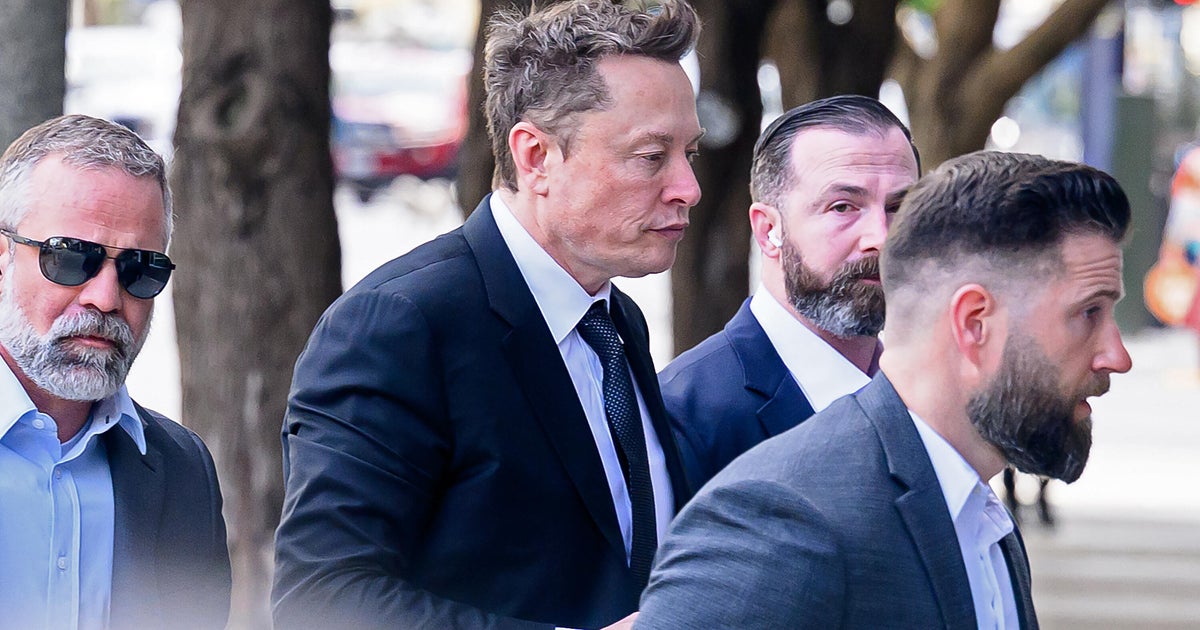


A California federal jury has found Elon Musk liable for misleading Twitter investors through certain public statements he made in 2022 while pursuing his $44 billion acquisition of the company. Across both liberal and conservative coverage, outlets agree that jurors concluded at least two of Musk’s tweets or public comments were materially false or misleading, that investors who sold Twitter stock after those statements suffered financial harm when the share price dropped, and that Musk will likely face substantial civil damages, with liberal sources commonly citing figures up to roughly $2.6 billion. Both sides note that the case, brought under the name Pampena v. Musk, ended in a split decision: while Musk was found responsible for misleading investors and contributing to a decline in Twitter’s stock price, the jury rejected some of the plaintiffs’ fraud theories and did not find that he engaged in a broader, orchestrated “scheme” to deceive shareholders.
Coverage from both perspectives situates the verdict within the broader context of Musk’s high-profile, contentious takeover of Twitter and his history of market-moving tweets about companies he controls or is acquiring. Liberal and conservative outlets alike emphasize that the case focused on whether a powerful tech executive’s public communications can unlawfully manipulate markets, and they highlight how Musk’s critical comments about Twitter’s user metrics and business prospects coincided with downward pressure on the stock. There is shared acknowledgment that the ruling underscores potential legal risks for corporate leaders who use social media freely, and that it may influence how boards, regulators, and courts treat public statements that affect stock prices in future mergers and acquisitions. Both sides also agree that the mixed nature of the verdict—finding liability for misleading statements but rejecting an alleged overarching fraud scheme—will shape any appeals and could narrow, rather than broadly expand, legal precedents around executive speech and securities law.
Areas of disagreement
Framing of the verdict. Liberal-aligned outlets tend to frame the decision as a notable legal rebuke of Musk, stressing that a jury of ordinary investors concluded he materially misled shareholders and is on the hook for potentially massive damages. Conservative sources, while reporting the liability finding, more often emphasize that the jury rejected the accusation of a deliberate scheme and some fraud counts, portraying the result as more limited and mixed than an outright condemnation.
Characterization of Musk’s conduct. Liberal coverage commonly depicts Musk’s statements as part of a pattern of cavalier or manipulative market behavior, linking this case to prior controversies over his tweets and presenting his disparaging comments about Twitter as a tactic to drive down the price. Conservative coverage tends to treat his comments as aggressive negotiation and hard-edged criticism of Twitter’s business rather than a coordinated plot, suggesting the line between sharp deal-making and securities violations is blurry and that the jury stopped short of calling him a systematic fraudster.
Implications for corporate power and regulation. Liberal sources more often connect the ruling to concerns about unchecked billionaire influence over public markets and social media, arguing it shows juries and courts are increasingly willing to police powerful executives’ online statements and hinting that stronger regulatory or governance safeguards may be needed. Conservative outlets are likelier to stress the risks of overregulation, warning that expanding liability for executives’ public comments could chill open communication, complicate mergers and acquisitions, and invite politically motivated litigation against high-profile business figures like Musk.
Political and cultural subtext. Liberal-aligned reporting sometimes situates the case within Musk’s broader shift toward right-leaning politics and his combative role on the platform he rebranded, implying that his style of using Twitter to shape narratives carries real financial consequences. Conservative coverage, by contrast, often downplays partisan angles and, when it surfaces them, tends to suggest that Musk’s critics—including some in media and politics—are eager to see him punished, framing the lawsuit as part of a broader backlash against his ownership of the platform and his challenges to liberal cultural institutions.
In summary, liberal coverage tends to cast the verdict as a significant accountability moment for Musk that validates concerns about billionaire-driven market manipulation, while conservative coverage tends to frame it as a narrower, mixed ruling that punishes specific missteps without proving a grand scheme and that raises alarms about expanding legal risks for outspoken executives.
Story coverage