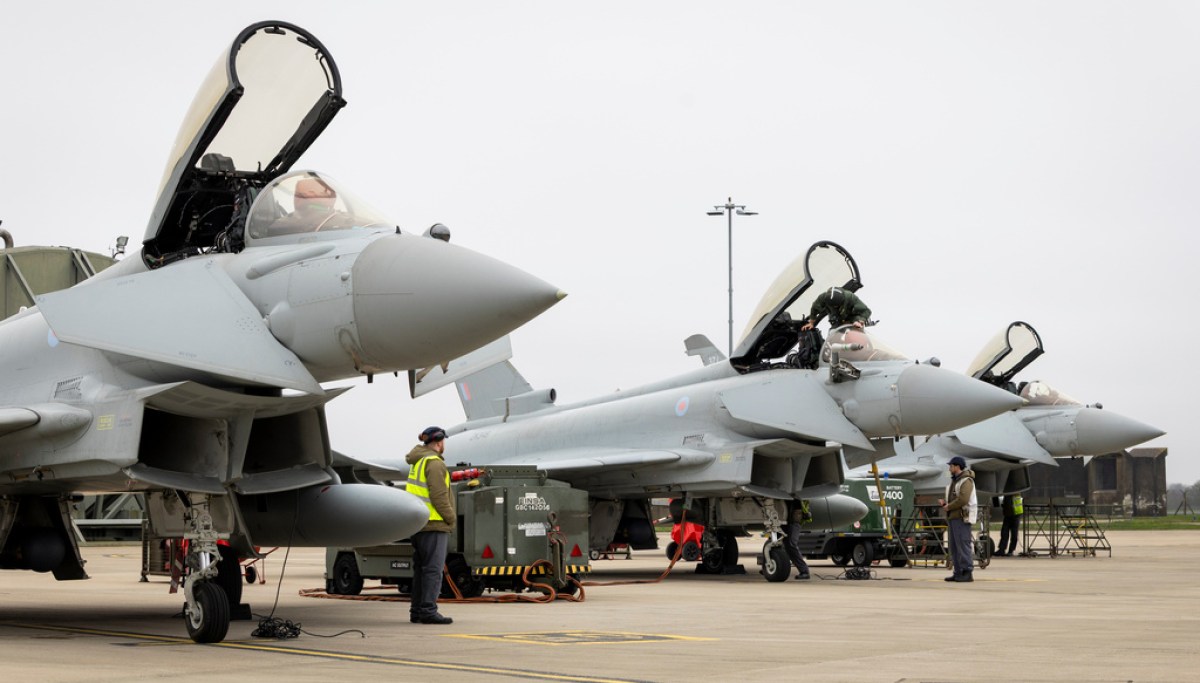

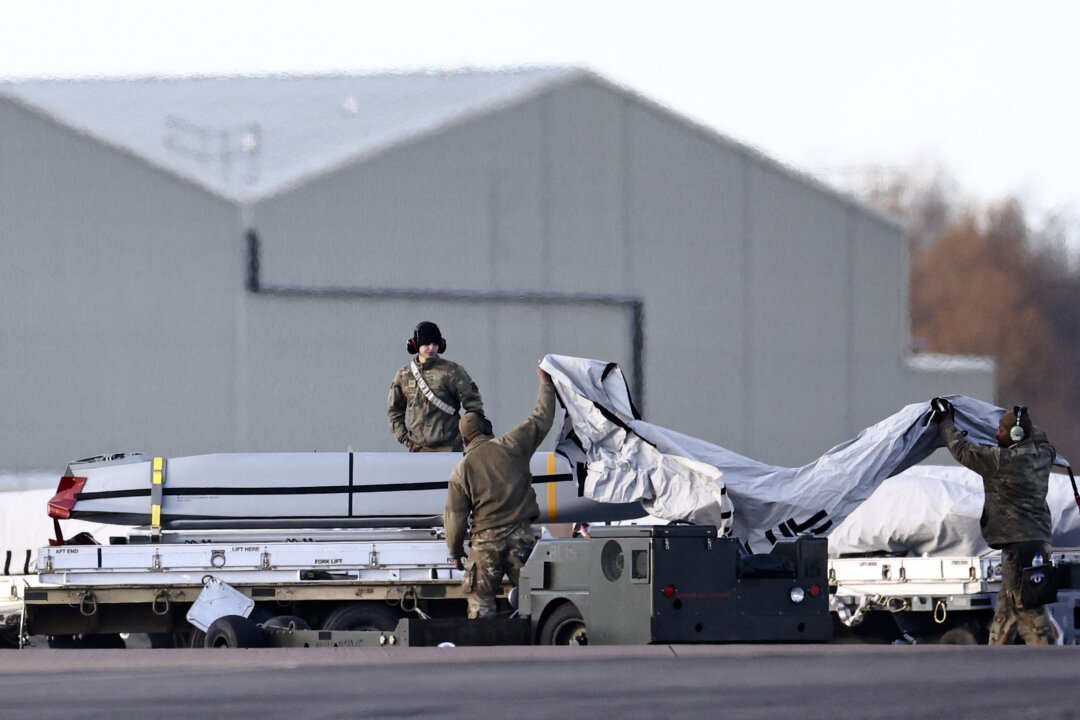
The UK has reportedly granted the United States permission to use British military bases, including those in Cyprus and the wider region, to carry out potential strikes on Iranian missile and drone sites believed to be threatening commercial and naval shipping near the Strait of Hormuz. Across the spectrum, coverage agrees that this represents a notable hardening of the UK’s posture toward Iran, follows a series of Iranian-linked attacks or attempted attacks on international shipping, and has prompted explicit threats from senior Iranian officials that UK facilities could be targeted in retaliation. Both liberal and conservative outlets highlight that the move was coordinated with Washington, framed by London as support for freedom of navigation and protection of international commerce, and involves contingency planning rather than an officially announced, imminent strike campaign.
Liberal and conservative sources also broadly concur that the episode sits within a longer arc of tensions between Iran and Western powers over regional security, proxy conflicts, and Iran’s missile and drone programs, especially in and around the Persian Gulf. There is shared acknowledgment that institutions such as NATO, the UN, and long-standing UK–US defense agreements form the legal and diplomatic backdrop for allowing US use of British bases, and that previous incidents in the Strait of Hormuz involving tanker seizures and harassment by Iranian forces have primed Western governments to respond more forcefully. Both sides describe the UK government as trying to balance deterrence of Iran with avoidance of a wider regional war, and they note that domestic political debates in the UK and US about military entanglement in the Middle East form an important part of the context.
Areas of disagreement
Motives and escalation. Liberal-leaning coverage tends to frame the UK decision as a reluctant but defensive step aimed at protecting international law and de-escalating threats to shipping through deterrence, sometimes stressing fears that any strikes could spiral into a broader conflict. Conservative outlets more often portray the move as overdue resolve after years of perceived Western timidity, emphasizing the need to reestablish deterrence against Iran’s aggression and downplaying the risk that robust action itself could trigger escalation. Where liberals highlight the danger of miscalculation and call for diplomatic off-ramps, conservatives stress that failure to respond forcefully is what most encourages Iranian adventurism.
Legal and moral framing. Liberal sources are more likely to interrogate the legal basis under international law for preemptive or retaliatory strikes launched from UK bases, raising questions about proportionality, parliamentary oversight, and the potential for civilian harm in Iran. Conservative coverage tends to assume or assert the legality of action under self-defense and freedom-of-navigation principles, focusing on Iran’s responsibility for endangering neutral shipping rather than on formal UN authorization. Morally, liberal commentators often caution that Western military action may reinforce Iranian hardliners and weaken reformists, while conservatives cast the strikes as a just and necessary response to a regime they describe as inherently destabilizing.
Characterization of Iran and threat level. Liberal outlets usually describe Iran’s behavior as dangerous and destabilizing but also as partly rooted in sanctions pressure, regional isolation, and security dilemmas, suggesting that diplomacy and economic incentives remain key tools alongside deterrence. Conservative media tends to depict Iran primarily as an ideological aggressor and sponsor of terrorism whose missile sites and naval units pose an immediate and escalating threat that justifies robust military options. While liberals worry that overstating the threat can manufacture consent for another prolonged Middle East conflict, conservatives argue that underestimating Iran’s capabilities and intentions risks emboldening Tehran and endangering Western forces and commerce.
Domestic political implications. Liberal coverage more often links the base-use decision to debates within the UK about executive war powers, public wariness of new Middle Eastern interventions, and potential rifts within the governing party and opposition over alignment with US strategy. Conservative sources tend to frame it as a test of leadership and reliability, praising the UK government for standing firmly with the US and its Gulf partners and warning that any backtracking would signal weakness to adversaries. Where liberals emphasize scrutiny, transparency, and the risk of the UK being drawn into US-led escalation without clear objectives, conservatives emphasize unity with allies and the political costs of appearing soft on security.
In summary, liberal coverage tends to stress legal constraints, escalation risks, and the need for diplomacy alongside narrow defensive measures, while conservative coverage tends to emphasize deterrence, alliance solidarity, and the necessity of forceful action to counter what it portrays as Iranian aggression.