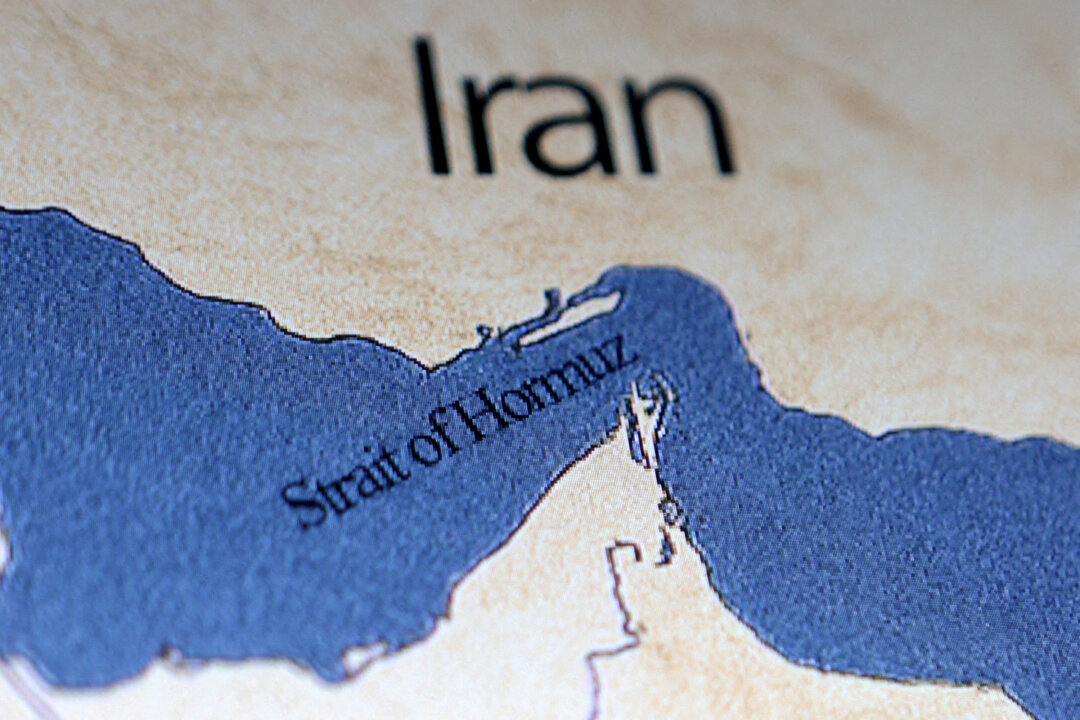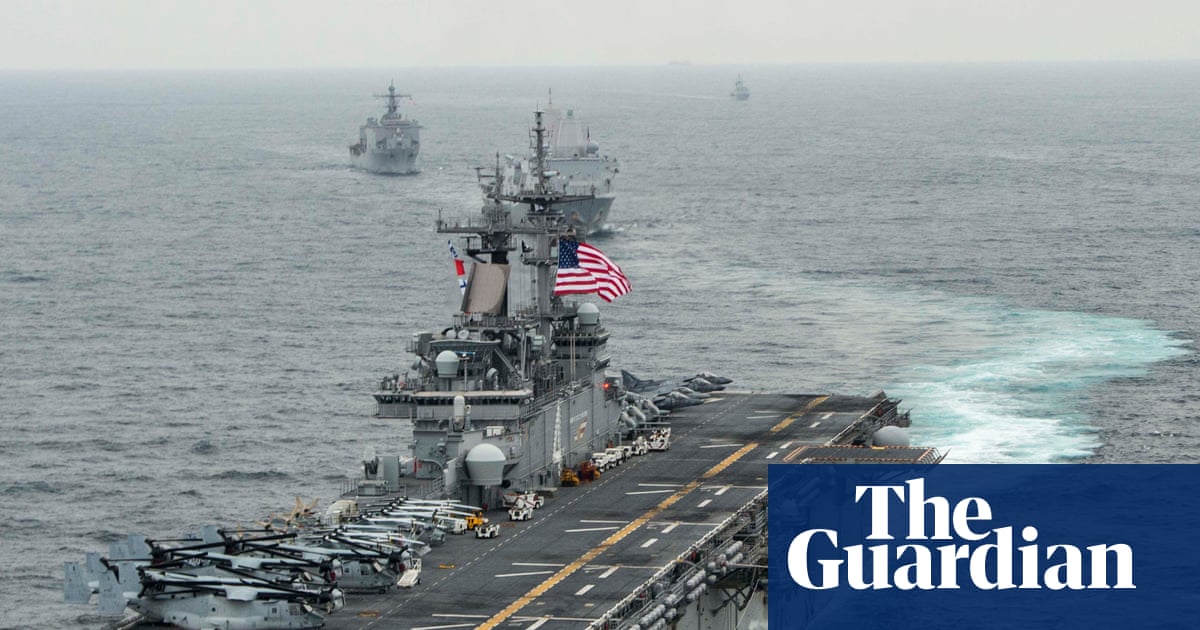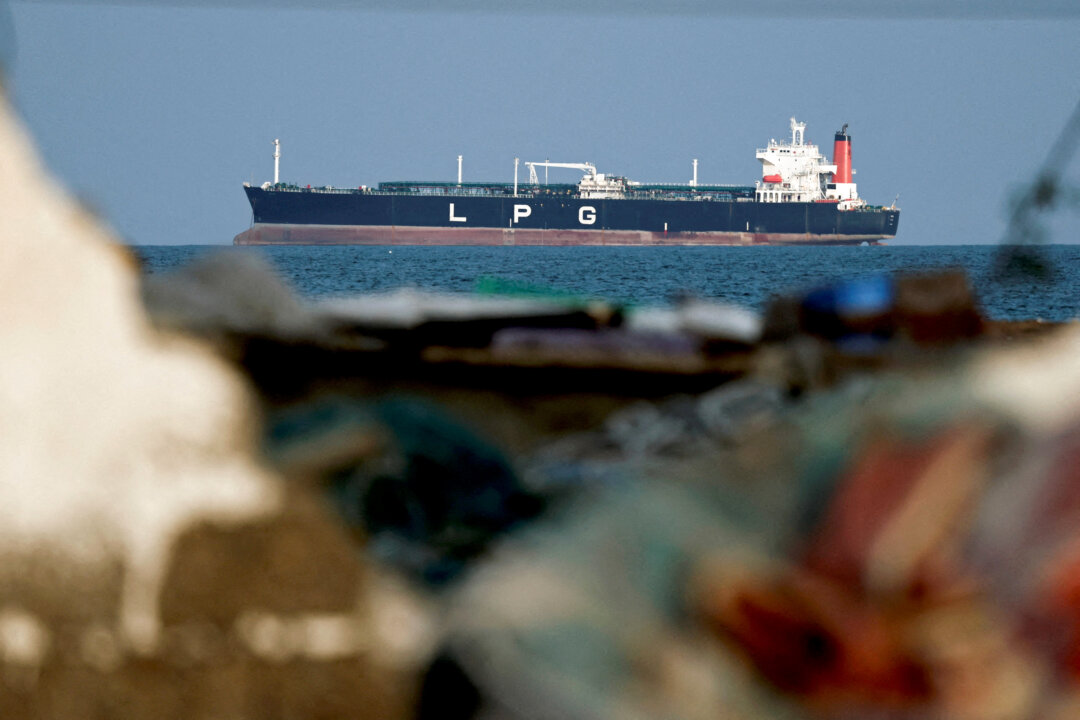

A broad coalition of nations has pledged to help secure safe passage through the Strait of Hormuz, with both liberal- and conservative-leaning outlets agreeing that around 22 countries have signaled support. Reports converge on the involvement of NATO allies such as the United Kingdom, France, Germany, Italy, the Netherlands, as well as partners including Japan, Canada, South Korea, New Zealand, several Nordic and Eastern European states, Bahrain, and the United Arab Emirates, all backing efforts to protect commercial shipping in the narrow waterway off Iran’s coast. Coverage aligns that this coalition-building followed appeals from the United States, and that the U.S. is deploying additional military resources to the broader Middle East to deter threats to vessels transiting the strait, through which roughly one-fifth of the world’s oil and gas—or about 20 percent of global oil—moves. Both sides also agree that tensions with Iran, and related security incidents, have contributed to volatility in global markets and raised concerns about the stability of energy supplies.
Across the spectrum, outlets frame the Strait of Hormuz as a vital global chokepoint whose disruption has outsized implications for international trade, energy prices, and economic confidence. There is shared acknowledgment that Iran and Iran-aligned forces have posed recurrent threats to shipping in and around the strait, prompting calls for stronger maritime security under U.S. leadership and through broader NATO or coalition participation. Both liberal and conservative coverage situates the coalition within long-running debates over burden-sharing among U.S. allies and the risks of escalation with Iran, noting that heightened tensions have already affected stock markets and downstream sectors such as agriculture. They also agree that the new pledges are intended to signal resolve, reassure energy markets, and institutionalize a more collective approach to safeguarding one of the world’s most strategically important sea lanes.
Areas of disagreement
Framing of U.S. leadership. Liberal-aligned coverage emphasizes President Trump’s combative rhetoric toward NATO and other allies, noting his criticism of them as slow, reluctant, or “cowardly” in contributing to Gulf security, and highlighting worries that such language could fracture alliances even as a coalition is assembled. Conservative outlets, by contrast, cast U.S. leadership as decisive and effective, presenting Trump’s appeal as the catalyst that spurred 22 nations to line up behind Washington’s efforts and portraying the coalition as validation of strong American resolve.
Military escalation versus deterrence. Liberal sources underscore the risks that sending more U.S. troops to the Middle East and conducting operations near Iran could deepen confrontation, inflame regional conflict, and ultimately endanger global trade further. Conservative coverage stresses that U.S. military action, including named operations and targeted strikes on Iranian facilities and radars, is degrading Iran’s ability to menace shipping and is restoring deterrence, treating escalation in force as a necessary step to prevent larger conflict and secure the strait.
Economic impact narrative. Liberal reporting connects the Strait of Hormuz tensions to broader economic vulnerabilities, citing stock market dips and increased costs—for example, higher fertilizer prices for American farmers—as signs that confrontation with Iran is already hurting ordinary people and global stability. Conservative outlets focus instead on how the coalition and U.S. strikes are aimed at stabilizing oil markets and preventing a more severe shock to energy prices, framing the security effort as protective of global growth rather than a principal driver of economic pain.
Characterization of Iran’s position. Liberal coverage tends to present Iran largely as a dangerous but reactive player within a broader cycle of pressure and counterpressure, where U.S. policy choices and rhetoric, including sanctions and troop deployments, are part of the backdrop that shapes Iranian behavior. Conservative coverage more often characterizes Iran as the primary aggressor whose malign activities necessitate firm military responses and coalition mobilization, underscoring claims that Iranian combat capabilities in the area are being successfully degraded by U.S.-led action.
In summary, liberal coverage tends to stress the dangers of militarization, alliance friction, and economic fallout from confrontation around the Strait of Hormuz, while conservative coverage tends to highlight strong U.S. leadership, successful military operations, and the coalition’s role in deterring Iran and stabilizing global energy flows.