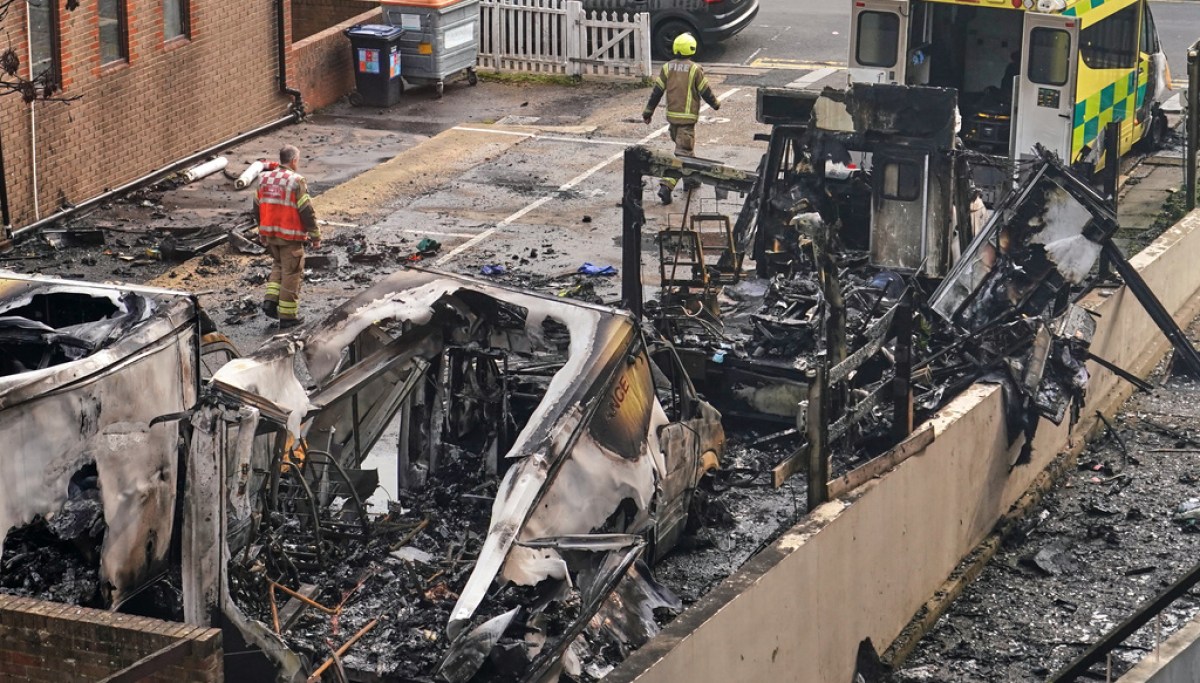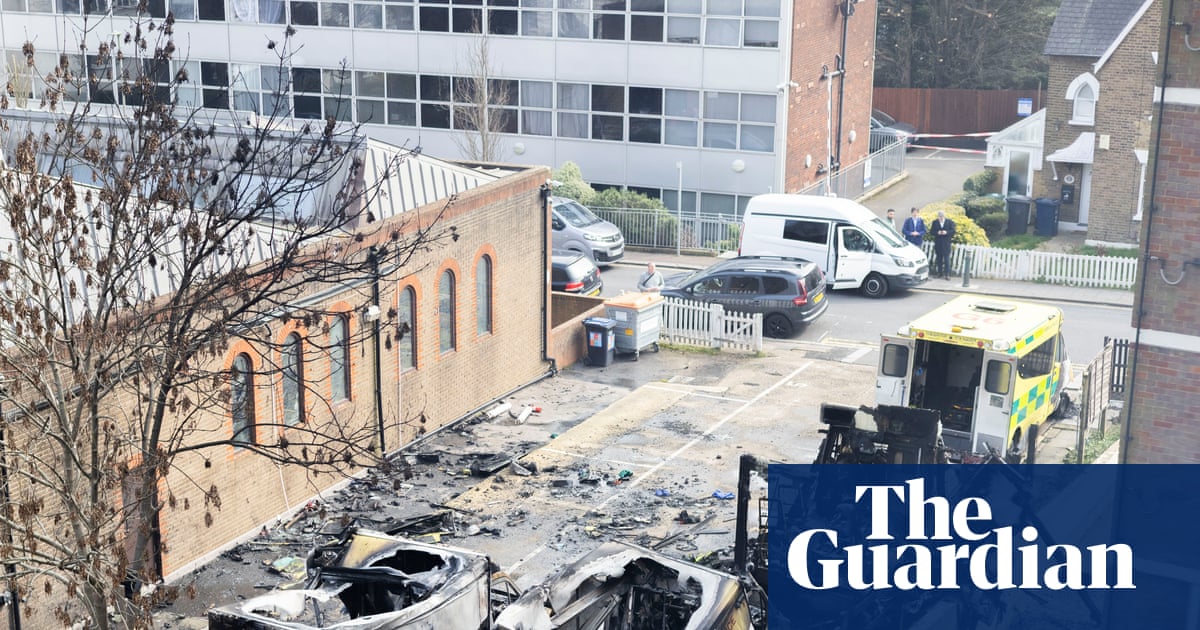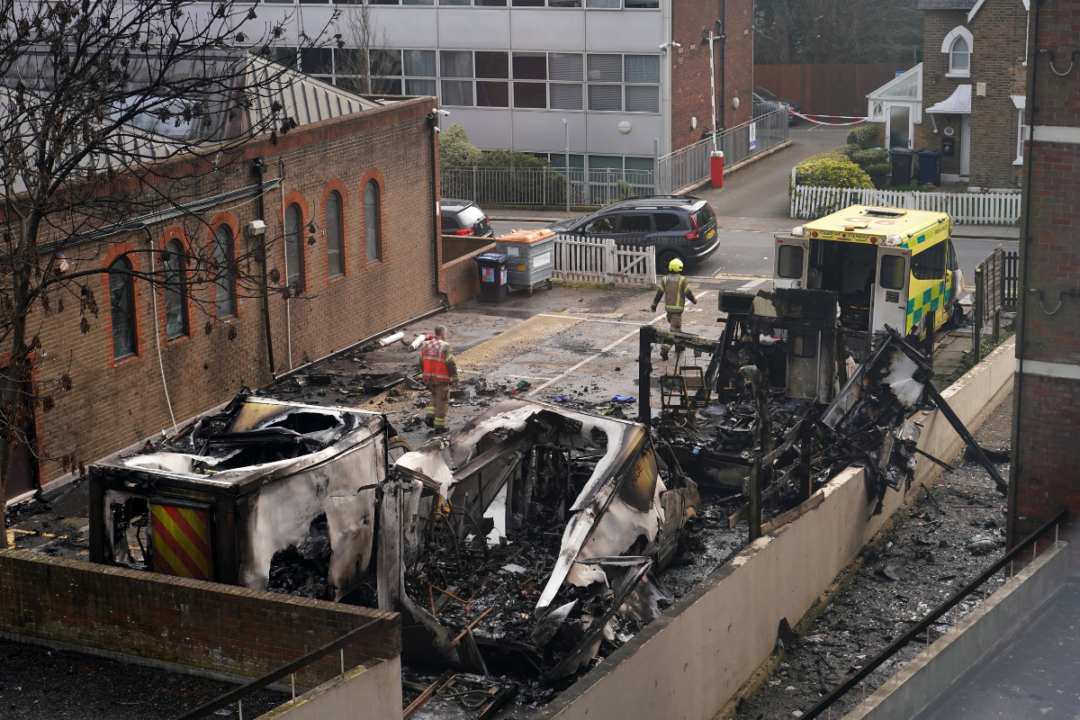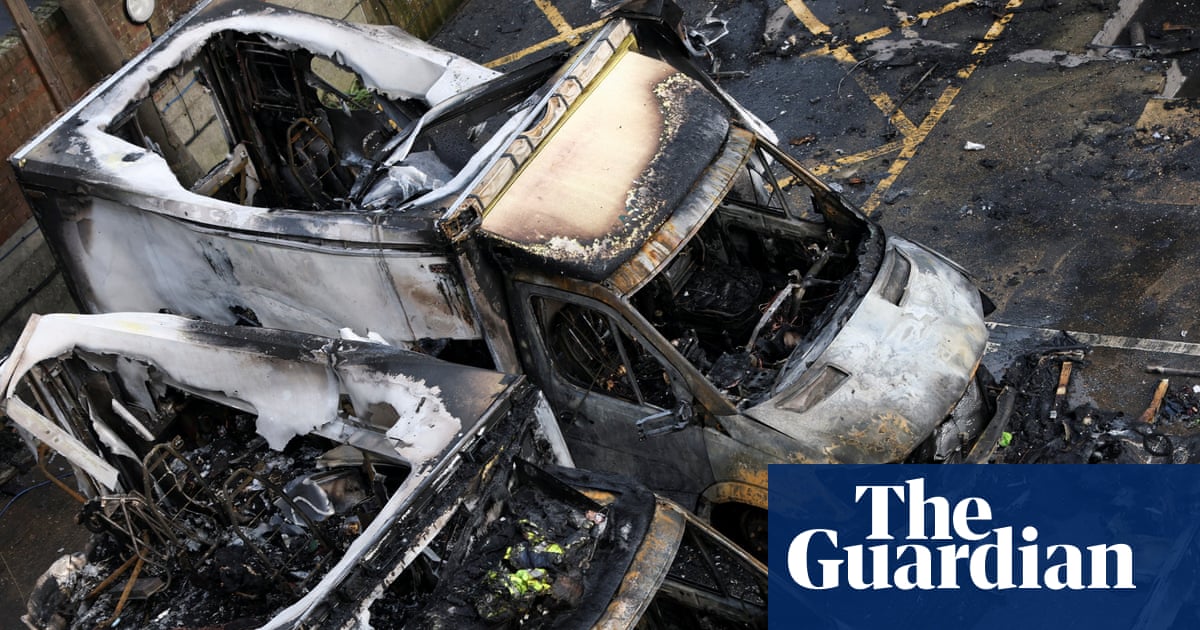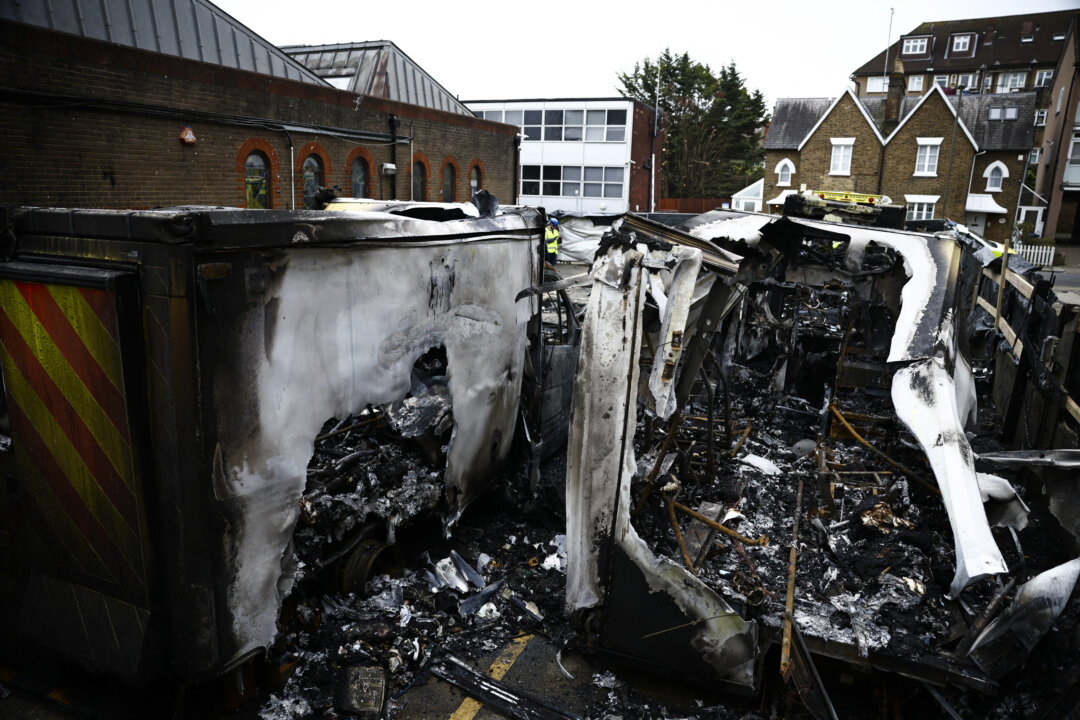


Two men, aged 45 and 47, have been arrested by the Metropolitan police on suspicion of arson with intent to endanger life following a deliberate fire that destroyed four ambulances belonging to a Jewish charity/community service in the Golders Green area of north London, near a synagogue. Both liberal and conservative outlets agree that CCTV footage indicates at least three hooded suspects were involved, accelerants were used, the incident occurred in the early hours of Monday, and counter-terrorism officers are leading the investigation while treating it as an antisemitic hate crime. The suspects are British nationals, searches are taking place at their addresses, and police have stepped up patrols and deployed specialist officers around Jewish and other vulnerable sites in London in response to community-security concerns.
Coverage across the spectrum notes that the targeted vehicles served the local Hatzola-style Jewish community ambulance service and that the attack has prompted strong condemnation from officials and community leaders. Both liberal and conservative reports highlight that the case is being handled by counter-terrorism policing but has not formally been classified as a terrorist incident, that national security agencies such as MI5 are involved in assessing possible wider links, and that investigators have not yet established a definitive motive beyond the clear antisemitic nature of the attack. Outlets stress that inquiries are ongoing, more suspects are being sought, and authorities are balancing scrutiny of potential foreign influence with caution about drawing premature conclusions.
Areas of disagreement
Foreign involvement and Iran. Liberal-aligned outlets generally frame the possible link to an Iran-associated group like HAYI as one line of inquiry among several, emphasizing security sources who warn against leaping to the conclusion of direct Tehran sponsorship and stressing that the claim of responsibility may be opportunistic or unverified. Conservative sources more prominently foreground the possibility of Iranian regime involvement, describing security services as actively probing a connection and sometimes presenting the Iranian angle as a central narrative thread rather than a tentative hypothesis. While both acknowledge that counter-terrorism and intelligence agencies are examining the foreign-link claim, liberal coverage leans on caveats and uncertainty, whereas conservative coverage tends to give the external-state dimension sharper, more declarative emphasis.
Framing of motive and threat level. Liberal outlets largely stress the antisemitic hate-crime classification while also leaving room for the attack to be the work of domestic extremists or individuals inspired by broader hostility toward Jews, framing it within rising hate incidents but not necessarily as part of an organized terror campaign. Conservative coverage more frequently describes the episode as a targeted antisemitic attack closely aligned with wider threats to Jewish communities and, in tone, edges closer to terrorism language even when noting that it has not been officially designated a terrorist incident. As a result, liberal reporting tends to highlight investigative nuance and ambiguity about the attackers’ ideological or organizational ties, while conservative reporting more clearly situates the attack within a narrative of escalating, organized antisemitic and geopolitical threats.
Political and security implications. Liberal-aligned reporting focuses more on institutional process, such as the role of MI5, counter-terrorism units, and the careful validation of any foreign-actor claims, and is relatively restrained in drawing broader policy lessons, mostly emphasizing the need for community reassurance and effective investigation. Conservative outlets more often connect the attack to wider debates about national security, extremism, and the protection of Jewish institutions, using the incident to underscore perceived gaps or vulnerabilities in the UK’s stance toward hostile states like Iran or in domestic counter-extremism policy. Both sides mention increased patrols and political condemnation, but liberals couch it as a measured safeguarding response, whereas conservatives more clearly frame the incident as evidence that stronger deterrence and a tougher posture toward external and ideological threats are necessary.
Community climate and societal blame. Liberal coverage tends to situate the attack within a broader rise in antisemitic hate crimes and community anxiety, while being cautious about attributing responsibility to specific domestic movements or political rhetoric, often focusing instead on support for the Jewish community and institutional safeguards. Conservative coverage also highlights the surge in antisemitism but more readily gestures toward a climate shaped by radicalization, geopolitical protests, and perceived leniency toward extremist narratives, implicitly or explicitly linking the attack to a broader failure to confront such currents. Thus, liberal outlets foreground solidarity and careful language around social causes, while conservative outlets more forcefully stress cultural and political factors they see as enabling or normalizing hostility to Jews.
In summary, liberal coverage tends to emphasize investigative caution, institutional process, and the hate-crime context with careful treatment of unproven foreign links, while conservative coverage tends to stress potential Iranian regime involvement, the incident’s place in a wider security and extremism problem, and the need for a more hard-edged response.