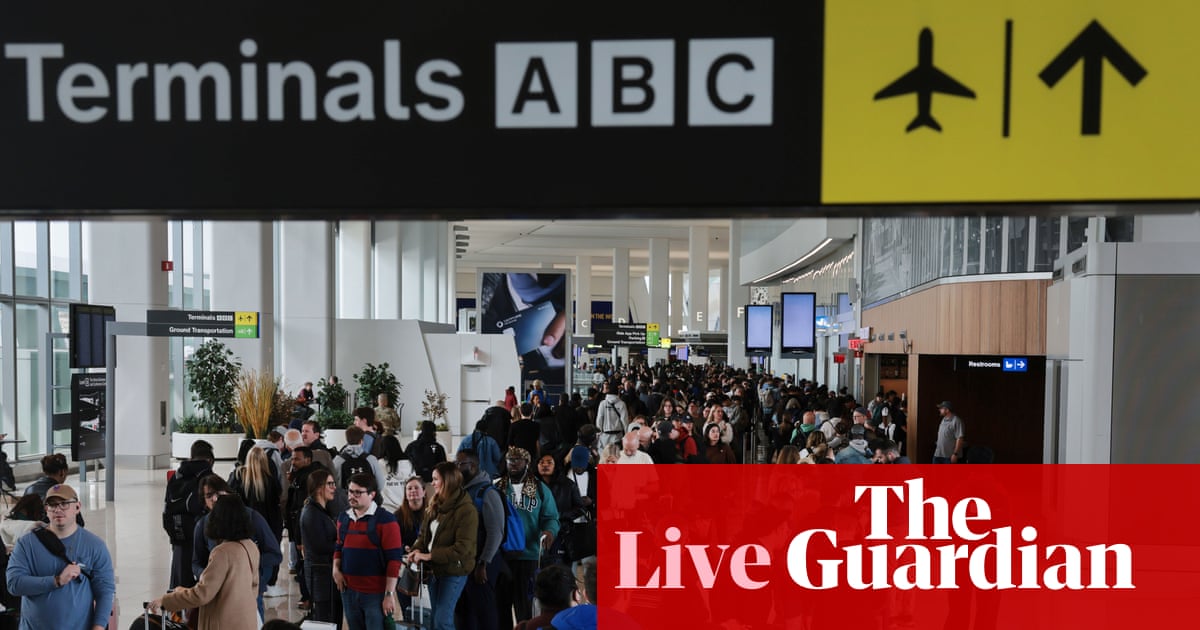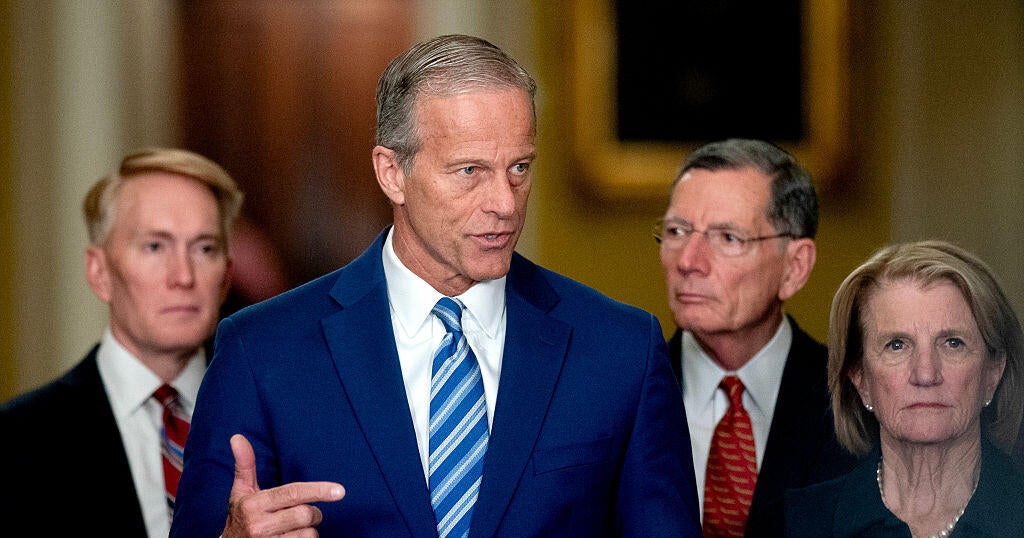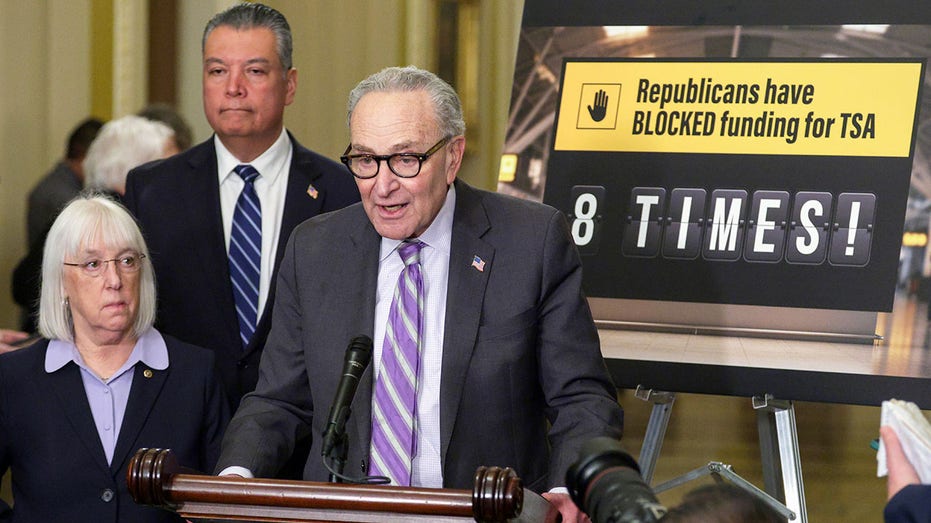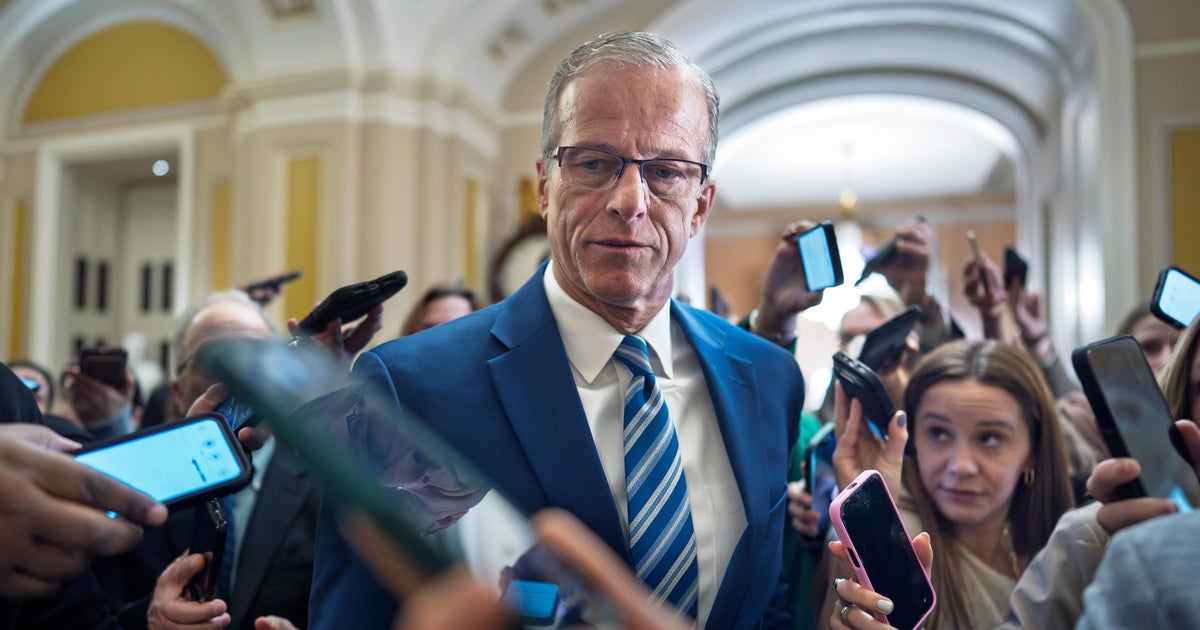



The Senate remains deadlocked over funding for the Department of Homeland Security, with both liberal and conservative outlets agreeing that Democrats have rejected what Republicans are calling their "last and final" offer and that a partial shutdown of DHS is ongoing. Both sides report that TSA agents and other Homeland Security personnel have faced weeks without full pay, causing major disruptions at airports and long security lines, though recent moves to approve or direct partial funding for TSA have provided some relief. Coverage agrees that Senate Republicans, led by Majority Leader John Thune, are threatening to delay or cancel an upcoming two-week recess if no deal is reached, and that test votes show Democrats are not yet prepared to accept the GOP framework. Both liberal and conservative reporting note that President Trump has become directly involved, using public statements and directives to influence negotiations, including urging Republicans to consider changing Senate rules and ordering the DHS secretary to pay TSA agents during the impasse.
Across outlets, there is shared acknowledgment that the central policy dispute involves immigration enforcement, particularly the role and funding of agencies such as ICE and CBP. Both sides describe Democrats as pushing for reforms or constraints on immigration enforcement practices as a condition for fully reopening DHS, while Republicans insist on maintaining or restoring robust enforcement funding. Reports concur that Democrats have floated requirements like judicial warrants before entering private property and restrictions on certain enforcement behaviors, while Republicans are attempting to keep ICE and border patrol funding closer to the status quo. Liberal and conservative coverage also agree that this standoff reflects broader institutional fights over border policy, executive power, and Senate procedures such as the filibuster, with some Republicans openly musing about changing long-standing rules under pressure from the prolonged shutdown.
Areas of disagreement
Responsibility and blame. Liberal-aligned outlets overwhelmingly frame Republicans and Trump as chiefly responsible for prolonging the DHS shutdown, emphasizing that GOP leaders keep moving the goalposts while refusing Democratic reform demands. They highlight White House efforts to pin airport delays on Democrats as a political blame-shift that ignores Republican control over the offer on the table. Conservative outlets, by contrast, stress that Republicans have already compromised by accepting partial funding bills and agreeing to exclude ICE and border patrol funding, presenting Democrats as the ones rejecting their own prior framework. They cast Democrats as the obstructionists who are prolonging worker hardship and travel chaos for ideological reasons.
Nature of the Democratic demands. Liberal sources describe Democratic proposals as "good faith" efforts aimed at reasonable oversight and reform of immigration enforcement, often foregrounding concerns about civil liberties, treatment of migrants, and abuses by ICE and CBP. They portray conditions such as requiring warrants for private-property entries as standard legal safeguards, not radical constraints. Conservative outlets, however, depict these demands as extreme or politically motivated, sometimes highlighting symbolic issues like mask-wearing rules for agents and insisting Democrats are effectively trying to "cripple" immigration enforcement. They argue that Democrats have escalated their asks even after Republicans mirrored earlier Democratic funding levels, suggesting the goal is to weaken enforcement rather than simply reform it.
Characterization of Republicans’ offer and tactics. Liberal reporting tends to view the GOP's "last and final" offer as a pressure tactic rather than a genuine compromise, noting that Democrats see it as locking in enforcement practices they consider abusive while using the looming recess and airport chaos as leverage. They underscore Trump-aligned calls to end the filibuster and threats of "drastic measures" as evidence Republicans are willing to break norms to get their way. Conservative outlets, on the other hand, frame the same offer as an earnest attempt to resolve the crisis, emphasizing that it funds most of DHS and meets many previously stated Democratic priorities. They stress Republicans’ willingness to keep the Senate in session and their moves to ensure TSA is paid as proof they are acting responsibly while Democrats prolong gridlock.
Impact and motives. Liberal sources foreground the human and operational costs of the shutdown on workers, portraying TSA agents and other DHS employees as hostages to Republican hard-line immigration politics and Trump’s efforts to appease his base. They link GOP resistance to reforms to a broader pattern of harsh border policies and demonization of immigrants, implying the standoff is ideologically driven. Conservative outlets acknowledge the disruptions but suggest Democrats are exploiting them to force structural limits on ICE and CBP, casting their motives as driven by a desire to protect undocumented immigrants and weaken border enforcement. They often highlight Trump’s directive to pay TSA and the Senate’s approval of partial funding as signs that Republicans are trying to mitigate the damage while Democrats hold out.
In summary, liberal coverage tends to depict Republicans and Trump as chiefly responsible for the ongoing DHS shutdown by refusing reasonable immigration enforcement reforms and using workers as leverage, while conservative coverage tends to portray Democrats as escalating demands, rejecting fair compromises, and exploiting operational chaos to weaken ICE and border security.