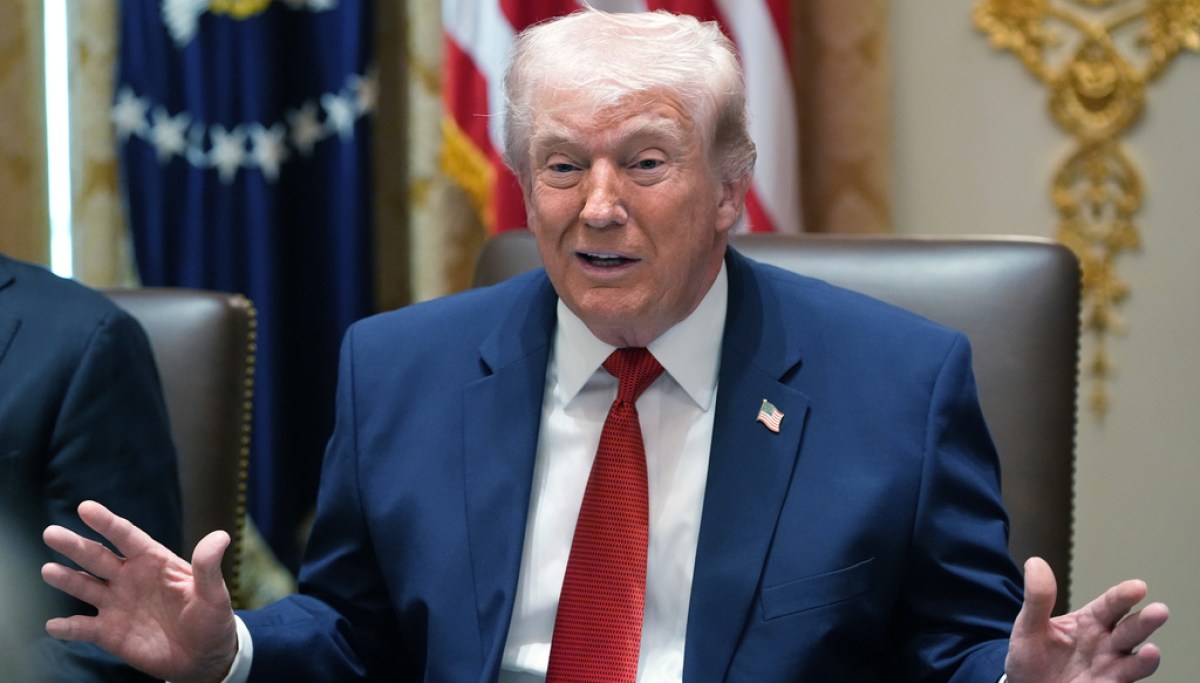
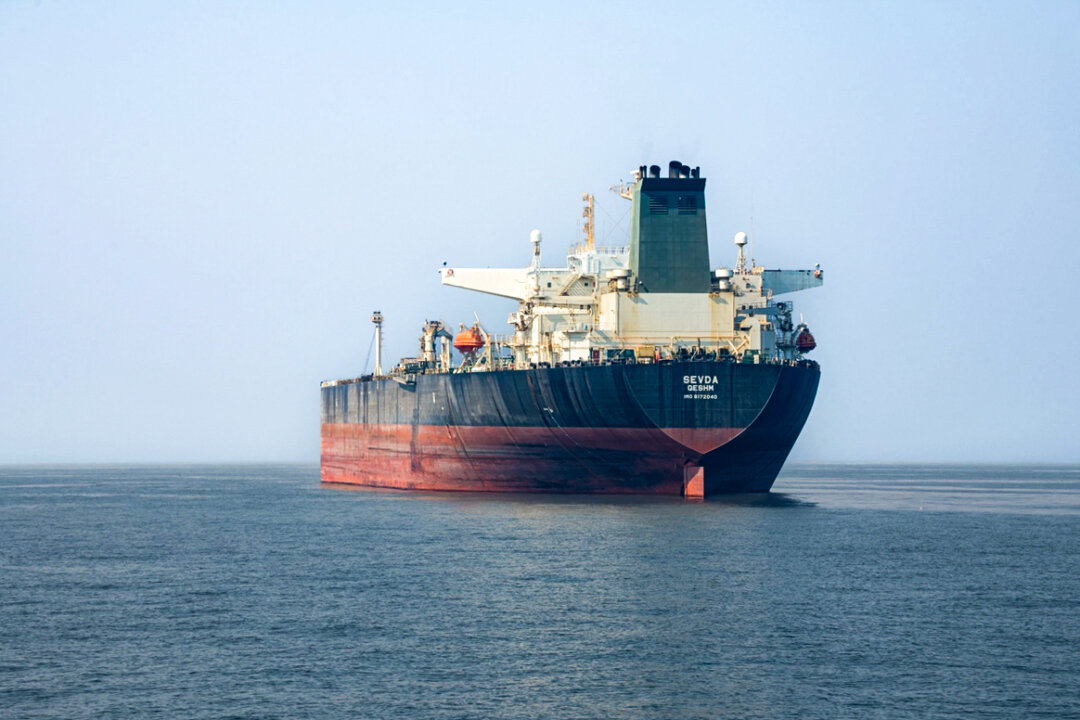
Liberal and conservative outlets both report that Donald Trump claimed Iran allowed a group of oil tankers to pass through the Strait of Hormuz as a "present" or gesture of good faith toward the United States, with the vessels carrying oil and described as "big boats" or tankers. Both sides agree this came in the context of what Trump called "very substantial talks" or fragile negotiations with Tehran over a broader conflict and over energy-market pressures, and that he publicly framed the move as evidence Iran is at least signaling an interest in a deal, even as he voiced skepticism that a full peace agreement is imminent.
Coverage across the spectrum notes that the Strait of Hormuz is a strategically vital chokepoint for global oil shipments and that control over, or disruption in, this waterway can impact world energy prices and regional security. Both liberal and conservative reports highlight that Iran is trying to leverage its position in the strait and the energy market to extract concessions, while the United States is simultaneously attempting to maintain market stability and pressure Iran through sanctions and diplomatic maneuvers. They also concur that the reported tanker passage and "present" narrative is unfolding against a backdrop of ongoing disputes over ceasefire terms, sovereignty claims, and the broader U.S.–Iran power struggle in the region.
Areas of disagreement
Numbers and specifics. Liberal-aligned reporting tends to settle on the figure of ten oil ships and focuses on the passage of tankers through the strait, whereas conservative outlets oscillate between eight and ten ships and sometimes emphasize that they were "big boats of oil" or Pakistani-flagged vessels specifically. Liberal sources highlight the ambiguity around the details and the lack of independent verification, while conservative sources more readily adopt Trump's numerical framing and narrative of a tangible "present". This leads liberals to stress uncertainty and potential political spin, while conservatives emphasize the symbolic magnitude of the gesture.
Negotiations and motives. Liberal coverage often frames Iran as maneuvering for sovereignty over the strait and rejecting U.S. ceasefire proposals, casting the tanker passage as a tactical move within a hard-nosed bargaining process rather than a straightforward goodwill gesture. Conservative coverage more frequently echoes Trump's claim that Iran is "eager" or "serious" about a deal and presents the tanker passage as evidence that pressure is working, even as Trump himself voices doubts about an imminent agreement. As a result, liberal outlets stress Iran’s assertiveness and conditionality, while conservative outlets stress U.S. leverage and Iran’s supposed desire to appease Washington.
Framing of U.S. policy and leverage. Liberal sources tend to downplay or critically frame Trump’s assertion that "taking Iran’s oil" remains an option, portraying it as belligerent or unrealistic and instead emphasizing diplomatic constraints and international law. Conservative sources highlight such statements as part of a broader posture of strength, pairing them with comments from officials about confronting Iranian threats and stabilizing markets. Where liberal coverage questions whether Trump’s rhetoric and tactics actually enhance U.S. security and negotiation power, conservative coverage tends to argue that the tanker passage proves maximum pressure and a tough line are producing concessions.
Economic and security implications. Liberal reporting emphasizes the risks of escalation around the Strait of Hormuz, focusing on Iran’s rejection of U.S. ceasefire terms and fears that any miscalculation could disrupt a key global shipping lane. Conservative outlets more often link the tanker passage to short-term relief on energy costs and market stability, citing U.S. officials who argue that firm confrontation of Iran is necessary to keep trade flowing. Liberals typically stress the fragility of the situation and question the durability of any gesture from Tehran, while conservatives spotlight the immediate economic benefits and present the episode as validation of Trump’s broader approach.
In summary, liberal coverage tends to cast Trump’s claim about Iranian tankers as a contested, strategically ambiguous move in a dangerous standoff, while conservative coverage tends to accept more of Trump’s framing and present the tankers as proof that his pressure campaign is forcing Iran to offer concessions.