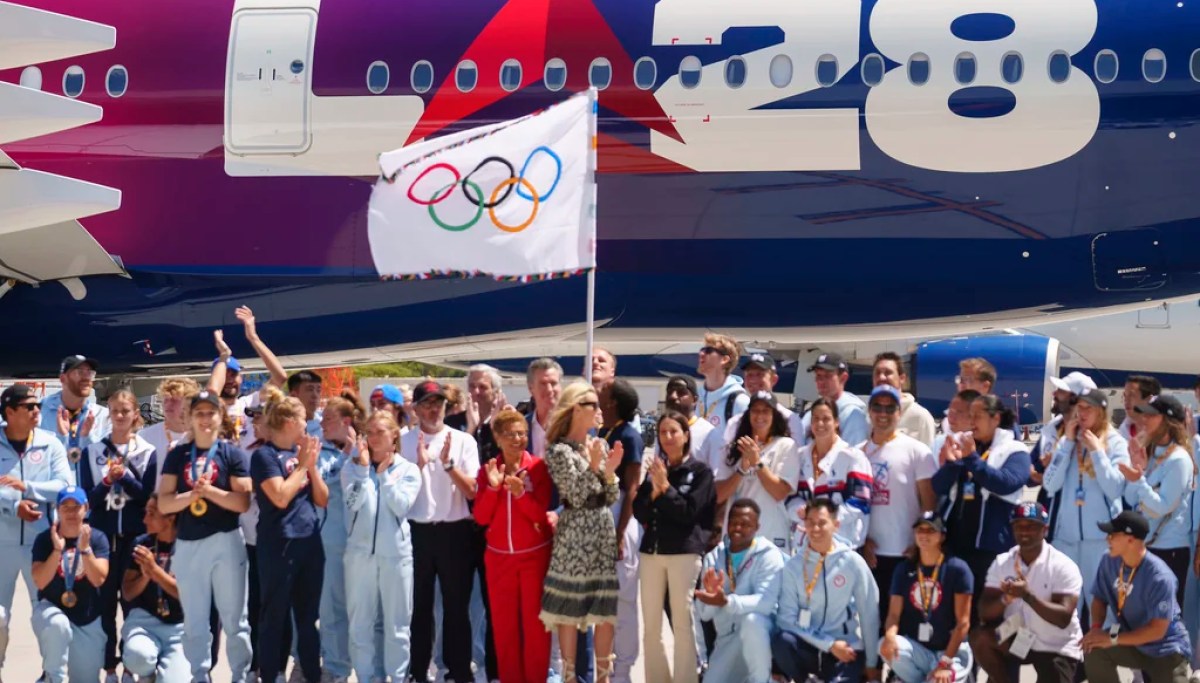
The liberal- and conservative-aligned sources agree that the International Olympic Committee has adopted a new eligibility policy that effectively bans transgender women and athletes with certain differences in sex development from competing in the female category at the Olympic Games. Coverage across both sides describes this as a reversal of the IOC’s previous framework that left eligibility decisions largely to individual sports federations, replacing it with a centralized rule in which only athletes who test as biologically female via a one-off SRY (Sex-determining Region Y) gene screening may compete in women’s events. Reports concur that the policy will be in force for the 2028 Los Angeles Olympics and future Games, that it is framed by the IOC as a move to protect the integrity and fairness of women’s sport, and that it applies to both individual and team events in the elite Olympic context.
Across outlets, there is shared context that this policy represents a significant U-turn from more inclusion-focused guidance that followed earlier high-profile cases such as weightlifter Laurel Hubbard’s participation in the Olympics. Both liberal and conservative sources note that the IOC now explicitly prioritizes fairness and safety in the female category and that the decision reflects growing internal and external pressure within the sports world, as well as the IOC’s invocation of scientific evidence regarding average male performance advantages after male puberty. Coverage on both sides also situates this policy within a broader international debate over sex testing and eligibility rules, underscoring that this is a structural change to how the IOC regulates women’s categories going forward.
Areas of disagreement
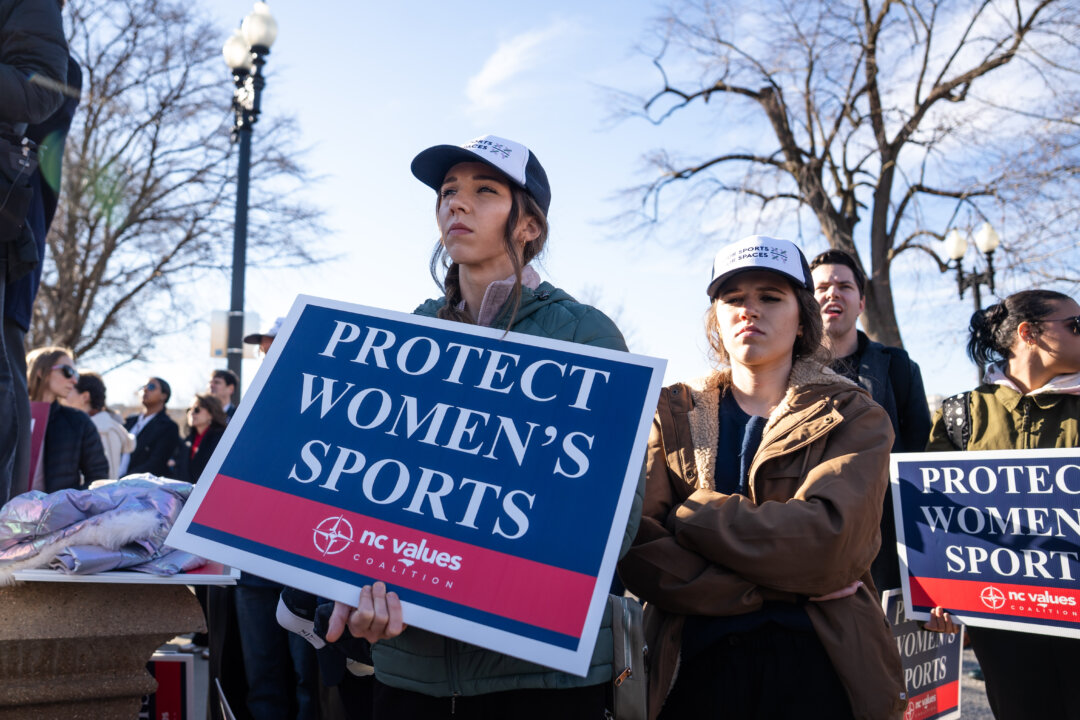
Framing of the decision. Liberal-aligned outlets tend to frame the IOC move as a controversial but consequential shift, emphasizing the complexity of balancing inclusion and fairness and sometimes using language like “may prevent” participation rather than depicting the ban as absolute. Conservative-aligned outlets more bluntly describe the policy as a clear-cut exclusion of transgender women and emphasize that only biological females may compete, treating the move as a decisive correction rather than a nuanced or tentative step. Liberal coverage more often highlights the implications for affected athletes and the potential human rights or anti-discrimination concerns, while conservative stories spotlight the restoration of what they present as common-sense sex-based categories.
Role of science and evidence. Liberal sources acknowledge the IOC’s invocation of scientific evidence about male performance advantages and safety but tend to stress ongoing debate, uncertainties, and the need for evolving research on fairness versus inclusion. Conservative coverage generally treats the science as settled, presenting male physiological advantages as straightforward justification for excluding transgender women from women’s events and giving less attention to contested or emerging aspects of the evidence base. Liberal outlets are more likely to contextualize the SRY testing requirement within a fraught history of sex testing in sport, while conservative outlets portray the genetic test mainly as an objective, necessary tool to enforce clear eligibility lines.
Political and cultural alignment. Liberal-aligned reporting either downplays or neutrally notes links to domestic political agendas, focusing instead on IOC governance and international sports norms, and is more cautious about tying the policy to any particular government or administration. Conservative-aligned stories explicitly highlight that the decision aligns with a recent executive order and, in some accounts, with Trump-era positions on women’s sports, presenting the IOC’s move as vindication of conservative cultural and policy arguments. Liberal coverage tends to situate the policy within global LGBTQ+ rights debates and institutional pressures, whereas conservative coverage integrates it into a broader narrative of pushback against what they portray as gender ideology in sports and public life.
Consequences for women’s sport. Liberal reporting often emphasizes that the IOC aims to protect the integrity of women’s categories but simultaneously raises concerns about collateral impacts, such as stigmatization, exclusion of a small number of athletes, and potential legal or ethical challenges. Conservative outlets emphasize that the policy will safeguard fairness and safety for female athletes, casting it as a long-overdue defense of women’s opportunities and records, with relatively little focus on harms to transgender or DSD competitors. Liberal sources tend to explore whether alternative models of inclusion or additional categories could reconcile fairness and participation, while conservative sources mostly present the binary exclusion as necessary and sufficient to preserve women’s sport.
In summary, liberal coverage tends to treat the IOC policy as a contentious and complex reversal that raises serious inclusion, rights, and ethics questions even as it foregrounds fairness and safety, while conservative coverage tends to hail it as a straightforward, scientifically justified and politically aligned defense of women’s sports that rightly reserves female categories for biological women.