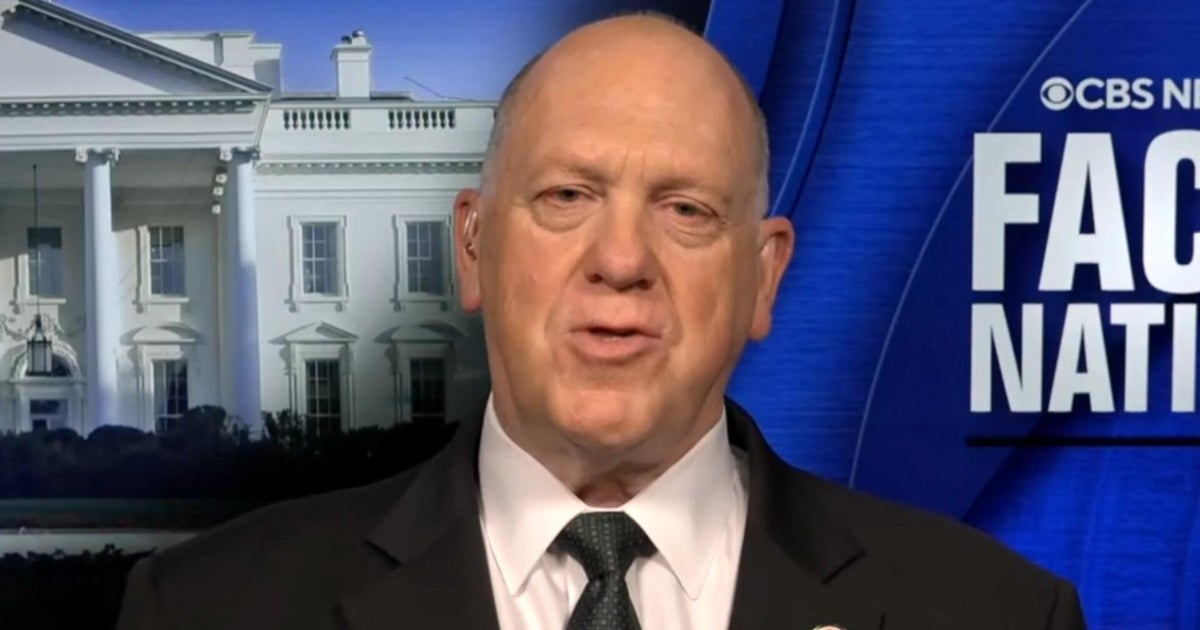
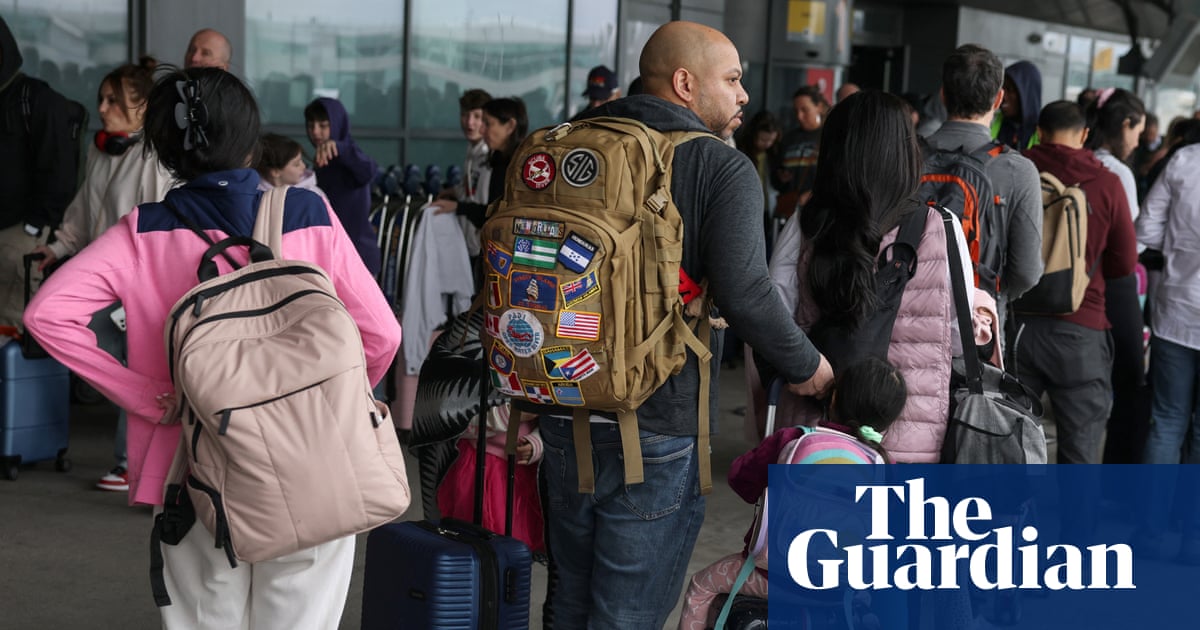
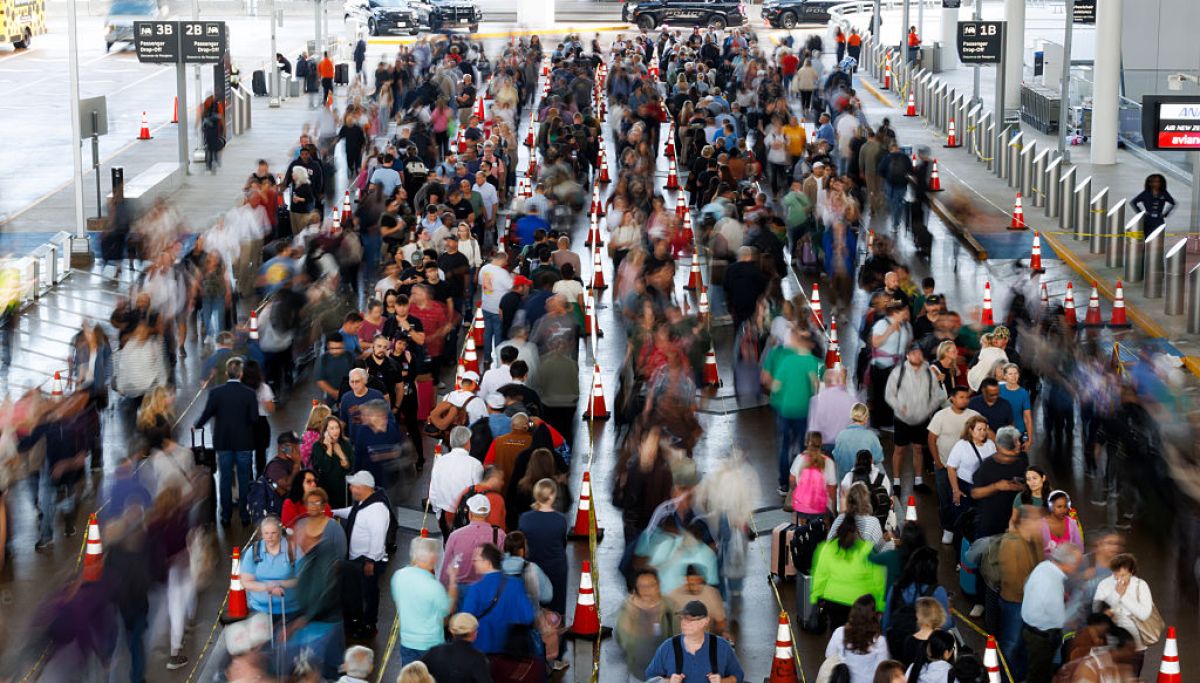
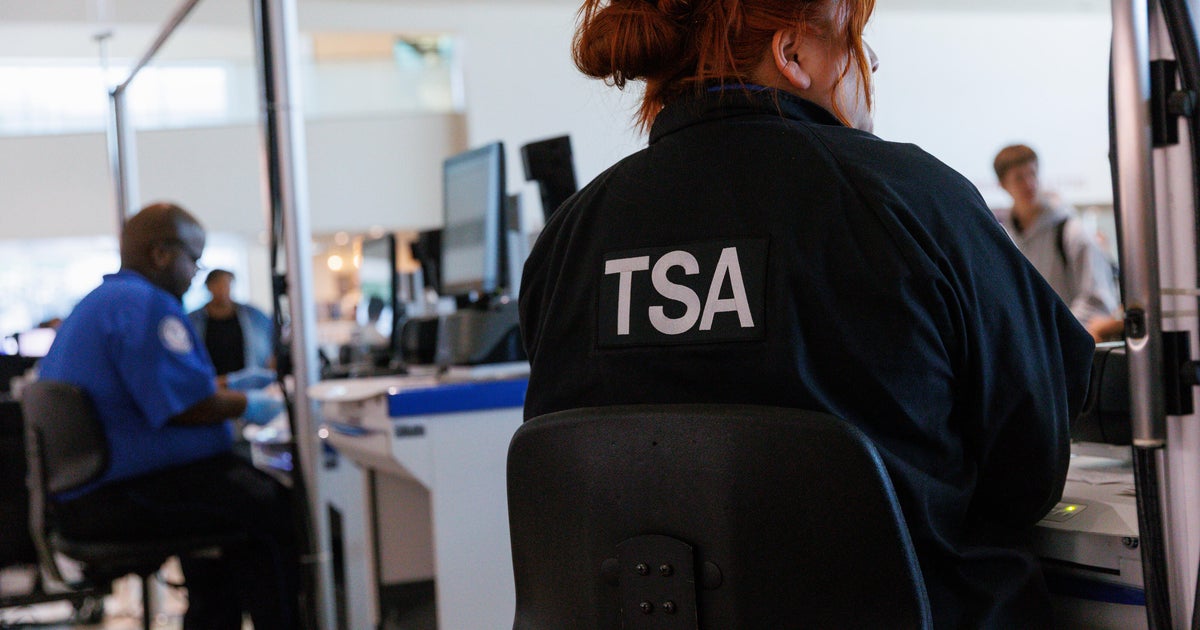
President Trump has signed an executive order or memo directing the Department of Homeland Security to immediately begin paying Transportation Security Administration officers who had been working without pay during an extended partial government shutdown. Both liberal- and conservative-aligned outlets agree that TSA officers are expected to see paychecks as early as Monday or Tuesday, that the move is intended to ease hours-long airport security lines caused by staffing shortages and increased sick calls, and that the order includes both current and back pay for TSA employees. They also concur that Tom Homan, described as the administration’s border czar, publicly stated that ICE personnel are being deployed to assist TSA at airports until operations return to normal, and that major airports have experienced significant delays tied to the shutdown’s impact on TSA staffing and morale.
Across the spectrum, coverage situates the order within the broader context of a protracted shutdown driven by a funding deadlock in Congress, especially over homeland security priorities like ICE, Border Patrol, and other DHS components. Liberal and conservative sources alike describe TSA as an essential security agency whose officers continued reporting for duty despite missed paychecks, and they portray the executive action as an attempt to mitigate operational strain at airports rather than a full resolution of the underlying budget dispute. Both sides note that other DHS and federal employees, such as some at FEMA and the Coast Guard, remain affected by the shutdown, and they highlight ongoing concerns about long-term workforce morale, retention, and the pace at which airport security lines will normalize once pay resumes.
Areas of disagreement
Framing of Trump’s action. Liberal-aligned coverage presents the order as a reactive step forced by mounting airport disruptions, public pressure, and stalled negotiations on Capitol Hill, emphasizing that Congress has not resolved overall DHS funding. Conservative outlets frame it more as a decisive, proactive move by Trump to protect travelers and stabilize airport operations amid a congressional deadlock, sometimes casting it as a glimmer of hope for federal workers and evidence of executive leadership in a crisis.
Assigning blame for the shutdown. Liberal sources largely attribute the shutdown and its impact on TSA to Republican priorities and the administration’s refusal to compromise on broader DHS and immigration funding, describing the pay order as a stopgap necessitated by that political choice. Conservative sources echo administration rhetoric blaming Democrats, sometimes using labels like the “Schumer shutdown” and portraying Democratic obstruction and Senate rules like the filibuster as the main obstacles, while suggesting Trump is working around them to get TSA workers paid.
Political messaging and symbolism. Liberal coverage tends to downplay the order as limited relief that still leaves structural issues unresolved, stressing the financial hardship TSA officers have endured, the continued strain on other DHS workers, and the risk of normalizing selective executive fixes during shutdowns. Conservative coverage is more inclined to highlight Trump’s directive as a strong symbolic gesture standing with law enforcement and frontline security personnel, emphasizing his deployment of ICE to assist TSA and portraying Democrats as indifferent to the plight of federal workers and passengers.
Scope and sufficiency of the solution. Liberal outlets stress that paying TSA alone is insufficient, warning of lasting damage to morale, airport safety culture, and other critical agencies left unfunded, and arguing that only a comprehensive bipartisan funding deal can truly resolve the crisis. Conservative outlets generally acknowledge that some DHS employees remain unpaid but still cast the TSA pay measure as a substantive improvement that meaningfully alleviates immediate risks and disruptions, framing it as a practical workaround while Congress continues to argue over the broader budget.
In summary, liberal coverage tends to treat Trump’s order as a narrow, politically driven stopgap born of his own shutdown strategy and congressional gridlock, while conservative coverage tends to depict it as a necessary, leadership-focused intervention that shields travelers and TSA workers from harm while Democrats prolong the funding stalemate.