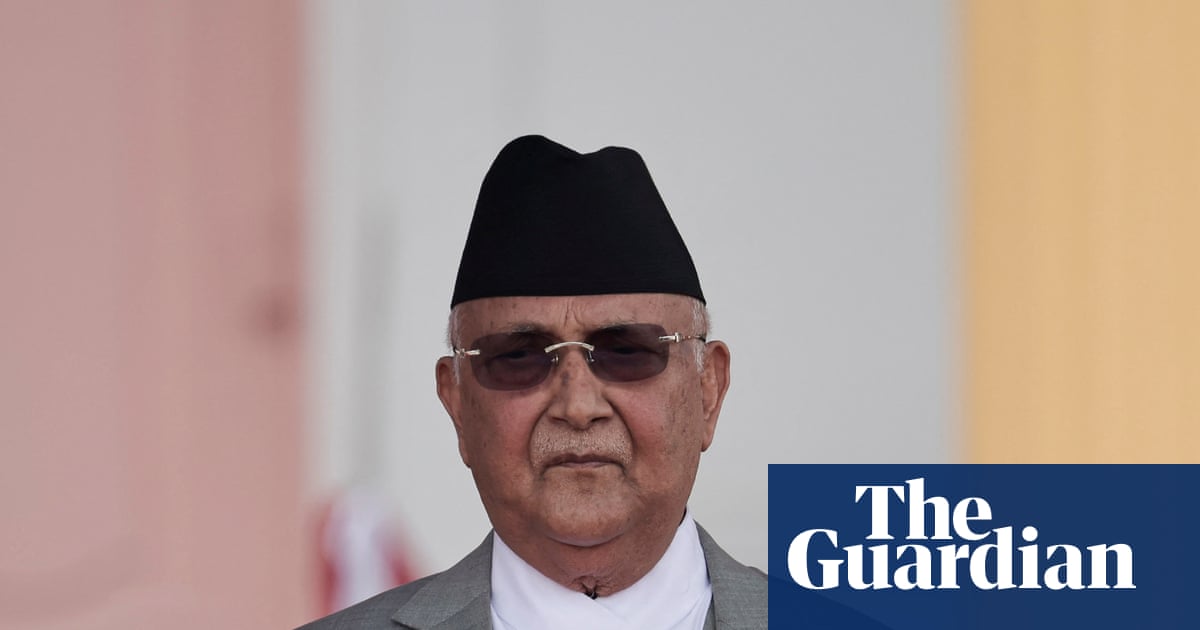
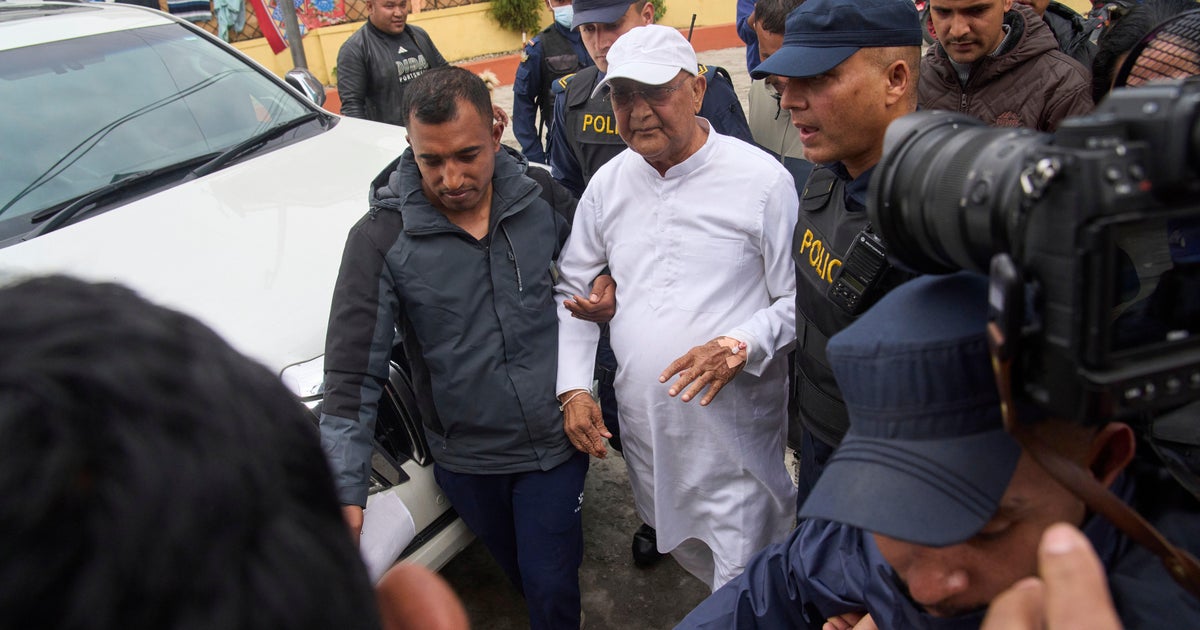
Former Nepali Prime Minister Khadga Prasad (KP) Sharma Oli was arrested early Saturday in Nepal, along with former home minister Ramesh Lekhak, in connection with the deaths of dozens of people during youth-led, violent protests in September last year. Both liberal- and conservative-leaning outlets agree that the arrests were carried out by Nepal Police on the basis of a government investigation commission’s report, that the fatalities occurred during a crackdown on protests which ultimately helped topple the sitting government, and that Oli’s detention triggered street demonstrations by his supporters and clashes with police.
Across the spectrum, coverage notes that the arrests come under a new government that campaigned on addressing abuses tied to the protests and holding senior officials accountable for past crackdowns. Outlets agree that the investigation commission formally recommended punishment for those responsible, that the current leadership is framing the move as part of a broader push for justice and reform of state handling of protests, and that the case highlights Nepal’s ongoing struggles with political instability, security-force accountability, and contested transitions of power following mass demonstrations and new elections.
Areas of disagreement
Framing of the arrests. Liberal-aligned coverage portrays the arrests as a long-awaited step toward accountability for a deadly state crackdown, emphasizing that they follow an investigation commission’s recommendations and a campaign promise by the new leadership. Conservative-leaning reporting, while acknowledging the commission and deaths, more tersely frames the arrests as a dramatic escalation against a former prime minister whose government fell after the protests and subsequent elections. Liberal sources stress the legal process and victims’ demands for justice, whereas conservative accounts tend to underscore the political stakes of detaining a major opposition leader.
Political motivation and stability. Liberal sources generally downplay overt political calculations, depicting the move as primarily driven by human-rights concerns and institutional reform, even if it has polarizing effects. Conservative coverage more readily hints that the arrests may deepen instability, implicitly questioning whether the ruling coalition is using accountability as a tool against a rival whose ouster followed the protests. While liberals frame instability as a legacy of impunity that needs to be confronted, conservatives are more likely to present the arrests themselves as a potential new source of turbulence.
Characterization of the protests and crackdown. Liberal-aligned outlets describe the protests as youth-led and rooted in genuine grievances, casting the state response as a disproportionate crackdown that caused preventable deaths. Conservative sources focus more on the “violent” nature of the demonstrations and the broader political upheaval they caused, including the toppling of the government and fresh elections, with comparatively less detail on alleged abuses by security forces. Liberals emphasize victims and civil-society narratives, whereas conservatives emphasize law-and-order concerns and regime change dynamics.
Portrayal of current leadership. Liberal coverage presents the new prime minister and home minister as fulfilling a mandate to pursue justice for the uprising, stressing that their actions implement an independent commission’s findings. Conservative coverage is more circumspect, mentioning official statements but giving greater weight to the broader political context in which a sitting government arrests its predecessor, implicitly raising questions about selective accountability. Liberals frame the leadership as reformist and responsive, while conservatives hint at the risks of victor’s justice without explicitly endorsing that label.
In summary, liberal coverage tends to emphasize accountability, victims’ rights, and the fulfillment of reformist promises, while conservative coverage tends to foreground the political stakes, instability risks, and the dramatic nature of arresting a former head of government.