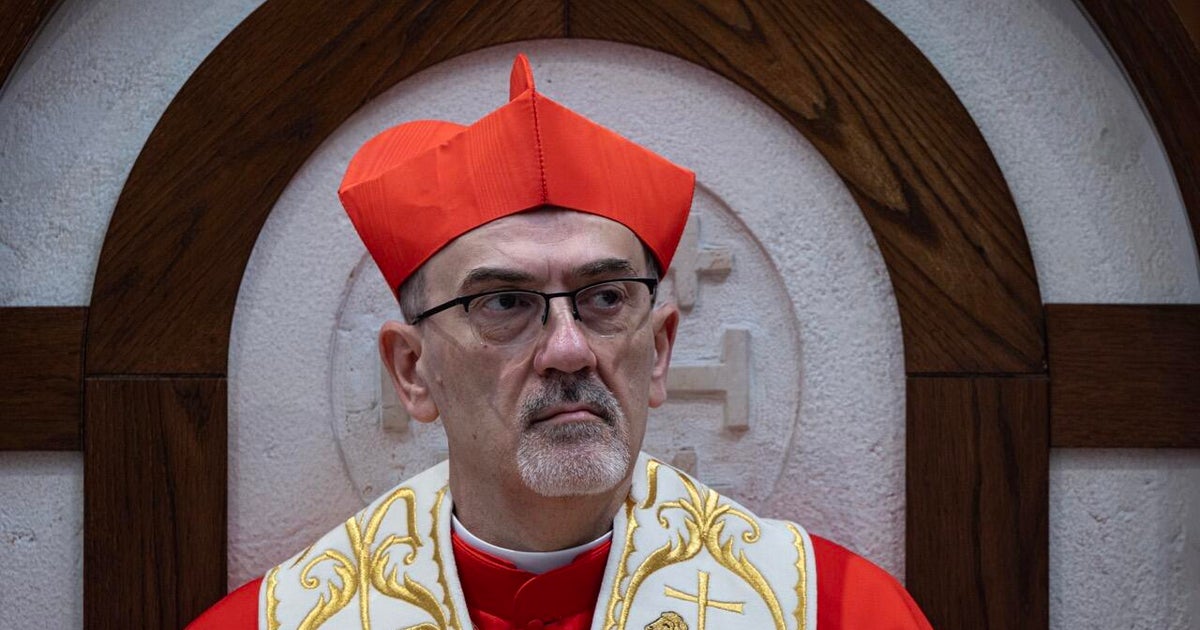
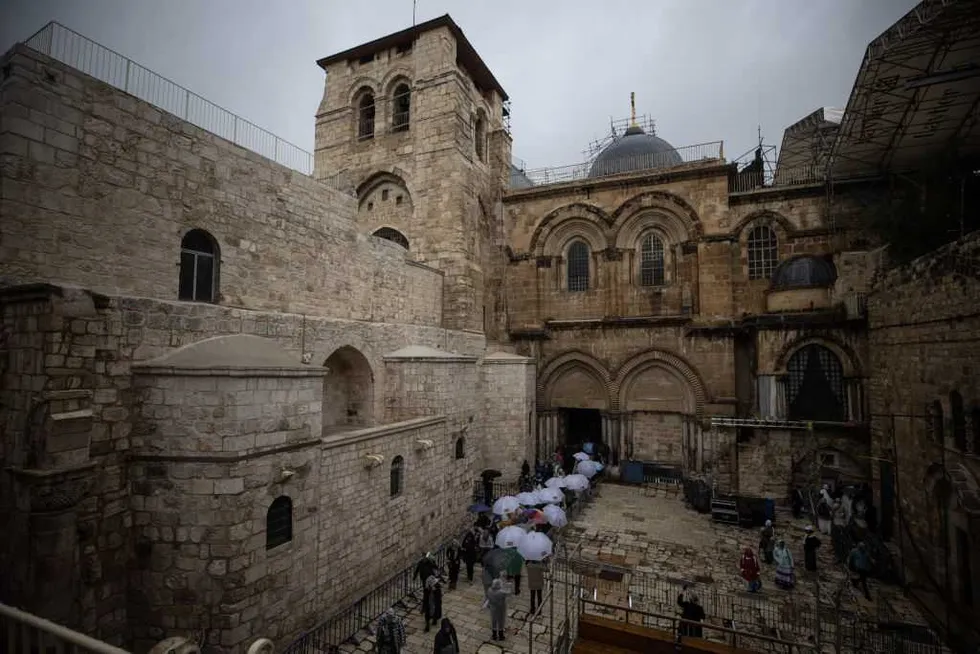
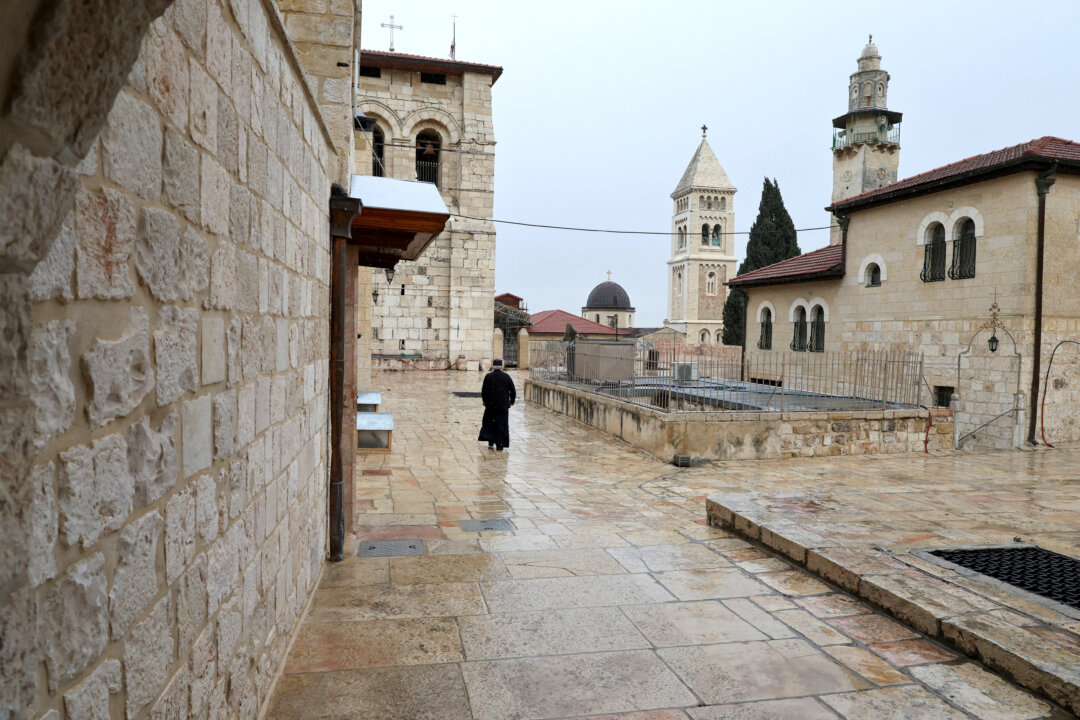
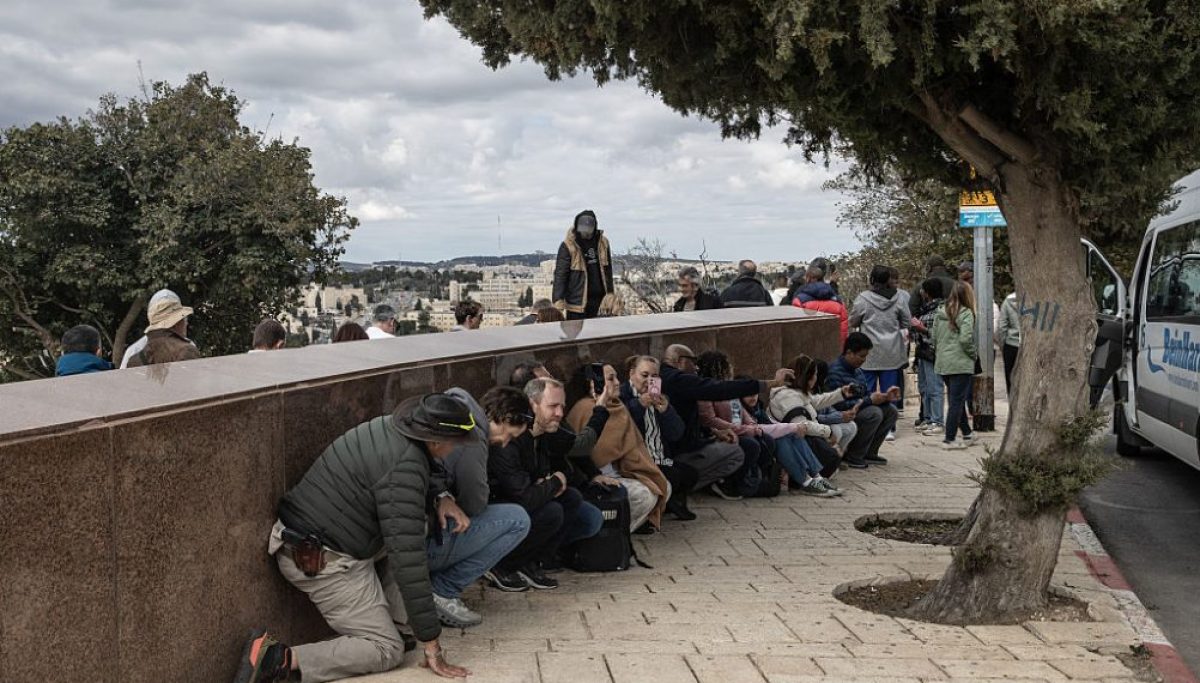
Israeli and international outlets across the spectrum agree that on Palm Sunday in Jerusalem, Israeli police blocked the Latin Patriarch of Jerusalem, Cardinal Pierbattista Pizzaballa, and other Catholic leaders from entering the Church of the Holy Sepulchre to celebrate Palm Sunday Mass. Both liberal and conservative reporting describe this as an unprecedented interruption of a centuries‑old tradition at one of Christianity’s holiest sites, note that police cited security concerns tied to the regional war and recent Iranian missile threats, and report that the Latin Patriarchate and other church officials publicly condemned the move as unreasonable and deeply troubling for religious freedom. Coverage on both sides also acknowledges that the incident triggered diplomatic and public criticism from church authorities and foreign leaders, and that the Israeli government quickly became involved after the story drew global attention.
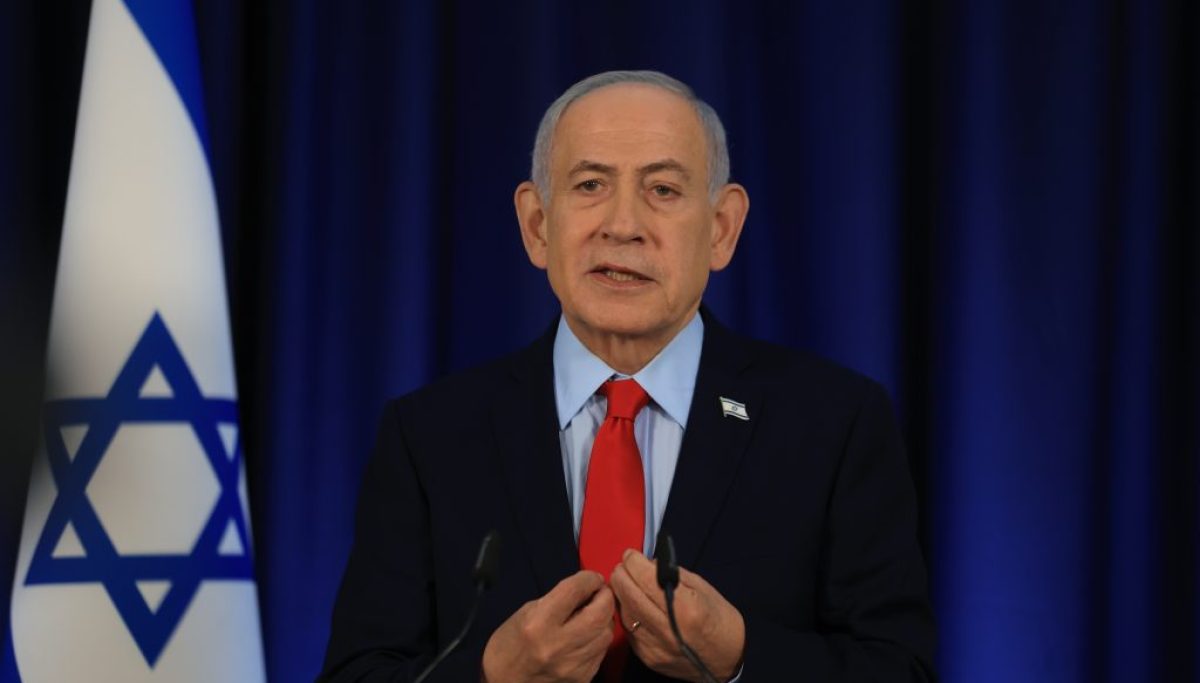
Liberal and conservative sources alike situate the episode in the broader context of wartime security restrictions in Jerusalem, including tighter controls on large gatherings and worship near sensitive holy sites. They agree that Israeli officials framed the measure as a temporary, security‑driven step in response to Iran’s targeting of Jerusalem and a missile landing near the area, that the prime minister’s office later emphasized a general request for all faiths to limit worship to protect congregants, and that the decision risked straining relations with the Vatican and Christian communities. Both sides also describe follow‑up efforts: an apology from Israeli officials, Netanyahu’s intervention to grant or restore full access, and subsequent understandings between Catholic leaders and Israeli police to allow Easter and Holy Week ceremonies to proceed under coordinated security arrangements.
Areas of disagreement
Motives and responsibility. Liberal-aligned coverage tends to cast the police action as a grave, avoidable infringement on religious freedom and an alarming precedent, emphasizing church statements that the move was disproportionate and unnecessary. Conservative outlets, while acknowledging the outrage, stress Israel’s stated security rationale, foregrounding Iranian missile threats and the government’s claim that the measure was meant to protect worshippers. Liberal sources highlight the unilateral nature of the police decision and question whether genuine consultation with church authorities occurred. Conservative sources are more likely to describe it as a security miscalculation or bureaucratic overreach rather than a deliberate attempt to suppress Christian worship.
Framing of Israel’s response. Liberal coverage underscores the severity of the initial act and treats the later apology and reversal as partial damage control that does not erase the precedent set on Palm Sunday. Conservative coverage emphasizes Netanyahu’s swift intervention to grant access, portray him as correcting an error, and highlight the subsequent deal ensuring Easter services as evidence that Israel respects Christian rights. Liberal sources focus on the shock that a centuries‑old procession could be halted at all, even temporarily, and suggest it reveals a broader pattern of restrictive policies. Conservative outlets frame the arc of the story around remediation and reassurance, presenting the incident as an aberration in an otherwise strong record of protecting holy sites.
Scale of rights concerns. Liberal-leaning reporting situates the event within a larger narrative of growing constraints on Christian and other non-Jewish communities in Jerusalem, raising concerns about long-term erosion of access to holy places. Conservative coverage tends to narrow the lens to this specific incident, treating it mainly as a wartime security controversy rather than a sign of systemic discrimination. Liberal sources give more space to global church leaders and diplomats who warn of a dangerous precedent for religious liberty in the city. Conservative sources devote more attention to Israeli officials’ assurances that all faiths were affected by temporary security appeals and that future worship will be safeguarded.
Context of the wider conflict. Liberal outlets acknowledge the Iranian missile threat but often balance it with arguments from church leaders that worship could have proceeded safely with proper coordination, suggesting security was used too broadly. Conservative outlets highlight the regional war and recent strikes near Jerusalem as central, sometimes stressing that Iran explicitly targeted holy sites, making extraordinary security steps more understandable. Liberal reporting foregrounds the symbolic harm done to Christian communities and the diplomatic fallout with the Vatican. Conservative reporting foregrounds the security environment Israel faces and tends to caution readers against judging the incident outside that wartime context.
In summary, liberal coverage tends to portray the Palm Sunday blockade as a deeply troubling infringement on religious freedom that fits into wider concerns about access to Christian holy sites under Israeli control, while conservative coverage tends to frame it as a serious but isolated security-driven mistake that Israeli leaders quickly corrected through apologies, restored access, and new arrangements for future services.