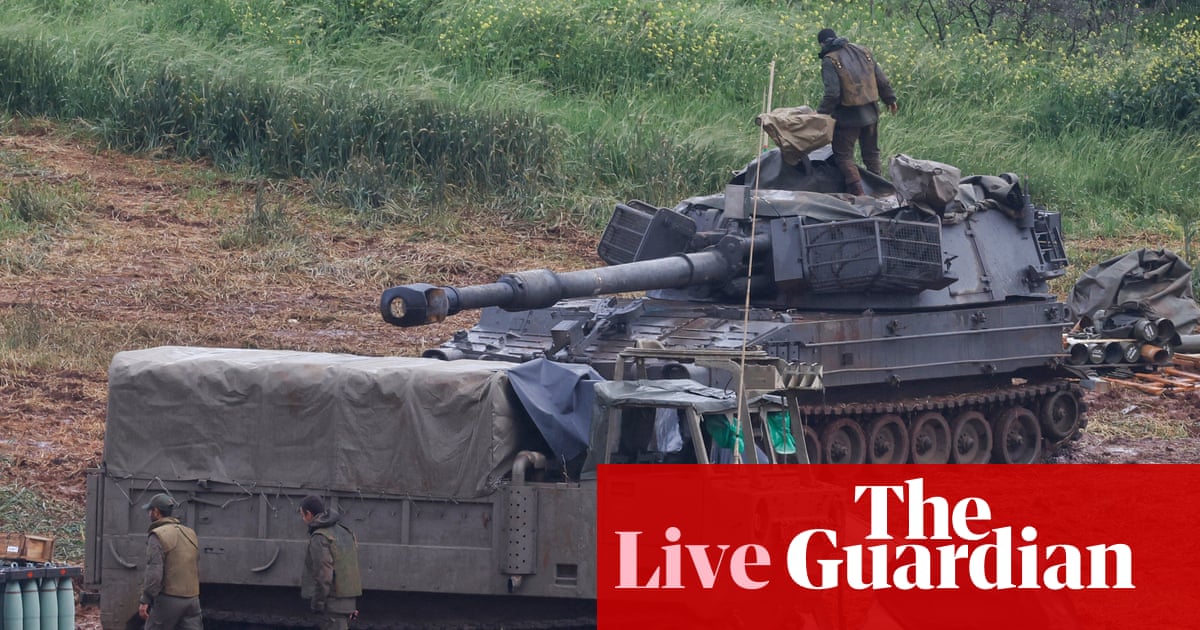
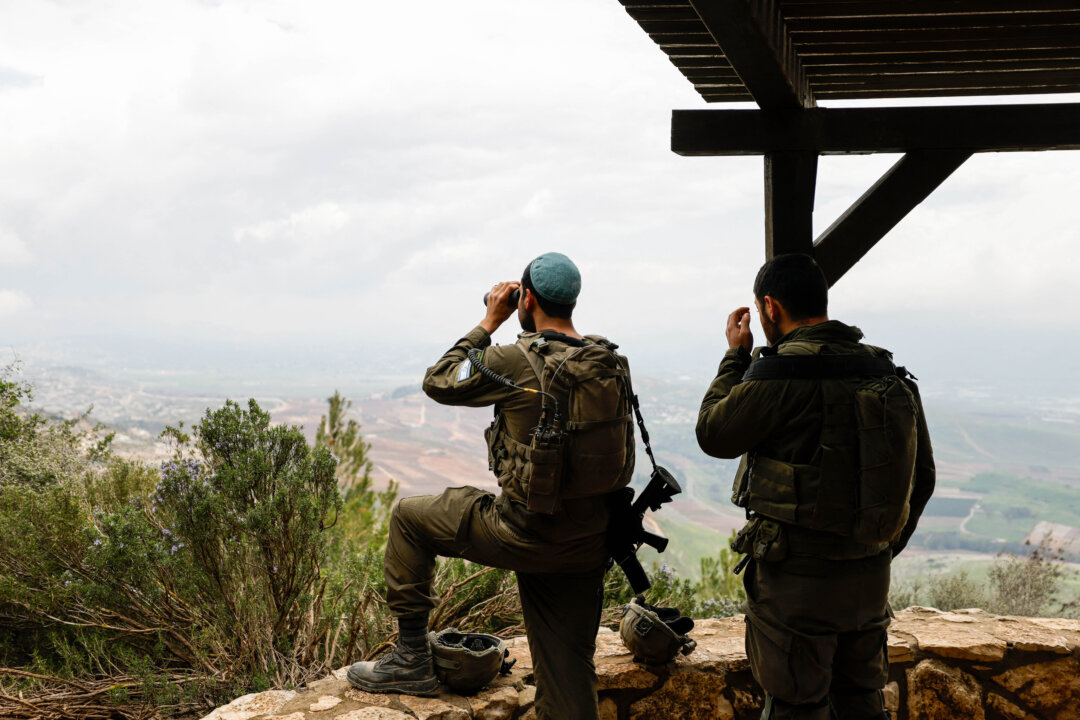
Israeli Prime Minister Benjamin Netanyahu has ordered the Israeli military to expand its operations in southern Lebanon, enlarging what both liberal and conservative outlets describe as a buffer or security zone along the border. Coverage agrees that this step comes after weeks of intensified clashes between Israeli forces and Hezbollah since late February, with the stated objective of significantly or fundamentally changing the security situation in Israel’s north and enabling displaced residents to return. Both sides note that these operations are framed by Netanyahu as part of a broader campaign to reshape the security reality on the northern front, and that the decision marks a clear escalation beyond prior, more limited cross‑border exchanges.
Liberal and conservative sources concur that the expansion is occurring within the long‑running context of Israel–Hezbollah hostilities and the wider Middle East crisis, in which Lebanon’s south has repeatedly served as a frontline. They also agree that Israeli policy toward the Lebanese border has historically involved efforts to create zones intended to keep Hezbollah forces farther from Israeli communities, and that the current move is presented as a continuation of that pattern. Both perspectives situate the development within a broader struggle over regional security involving Israel, Hezbollah, and their respective backers, and reflect a shared understanding that any significant change along the border will have implications for civilians on both sides and for regional stability.
Areas of disagreement
Motives and framing of the operation. Liberal coverage tends to frame the expansion as a deeper invasion or incursion into Lebanese territory, stressing the risks of escalation and the humanitarian and sovereignty implications for Lebanon. Conservative coverage more often emphasizes the operation as a defensive enlargement of an existing security zone needed to protect Israeli citizens and restore normal life in the north. Liberal outlets highlight the language of reshaping the region’s security landscape as evidence of a broader militaristic agenda, while conservative outlets present the same language as a necessary response to sustained Hezbollah threats.
Risk, proportionality, and consequences. Liberal sources focus on the potential for the expanded operations to spiral into a wider regional conflict and raise concerns about civilian casualties and displacement in southern Lebanon. Conservative sources generally portray the move as a measured and proportionate response to ongoing rocket and cross‑border attacks, downplaying or contextualizing broader escalation risks. Liberal reporting tends to foreground the costs borne by Lebanese communities and the strain on international norms, while conservative reporting centers on the costs already borne by Israeli border communities and the need to deter further Hezbollah aggression.
Responsibility and blame. Liberal coverage is more likely to scrutinize Netanyahu’s leadership, portraying the expansion as a political and strategic choice that could deepen instability and attract international criticism. Conservative coverage tends to place primary blame on Hezbollah’s actions and Iran’s backing, characterizing Israeli moves as reactive and necessary for deterrence rather than as drivers of the crisis. Where liberal sources question whether Israeli strategy is exacerbating the conflict, conservative sources argue that insufficient toughness would embolden Hezbollah and further endanger Israel’s north.
International and regional context. Liberal outlets more often situate the decision within a broader Middle East crisis narrative, including concerns about Iranian involvement and the possibility of U.S. entanglement, and they emphasize diplomatic or multilateral avenues that could be undermined by military expansion. Conservative outlets acknowledge the regional stakes but focus on Israel’s sovereign right to act militarily without undue international constraint, portraying external pressure as potentially hampering necessary defense measures. Liberal reporting tends to highlight global calls for restraint and legality, while conservative reporting underscores solidarity with Israel and the need for its allies to support decisive action against Hezbollah.
In summary, liberal coverage tends to cast the expansion of operations into Lebanon as a risky escalation that heightens humanitarian concerns and questions Netanyahu’s strategic judgment, while conservative coverage tends to depict it as a justified, defensive measure aimed at restoring security for Israeli civilians and countering Hezbollah’s threat.