

conservative
Top diplomats meet in Pakistan for talks on ending Iran war
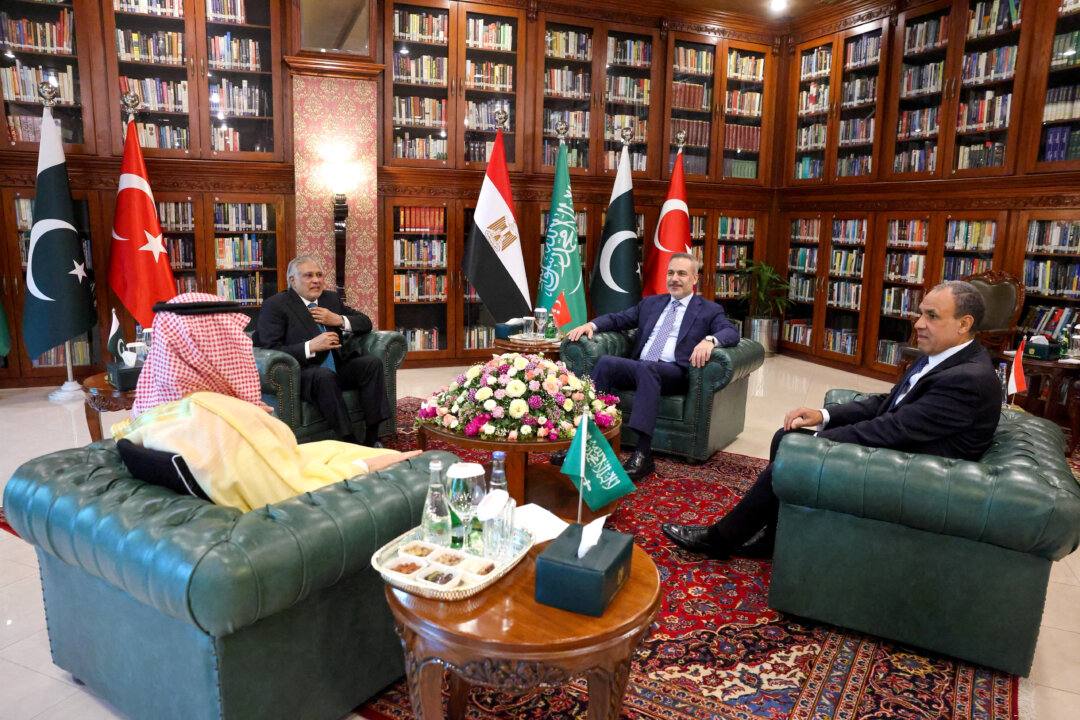
Top diplomats from several key Middle Eastern powers gathered in Pakistan on Sunday for high-level talks aimed at ending the monthlong war in Iran.
10 days ago
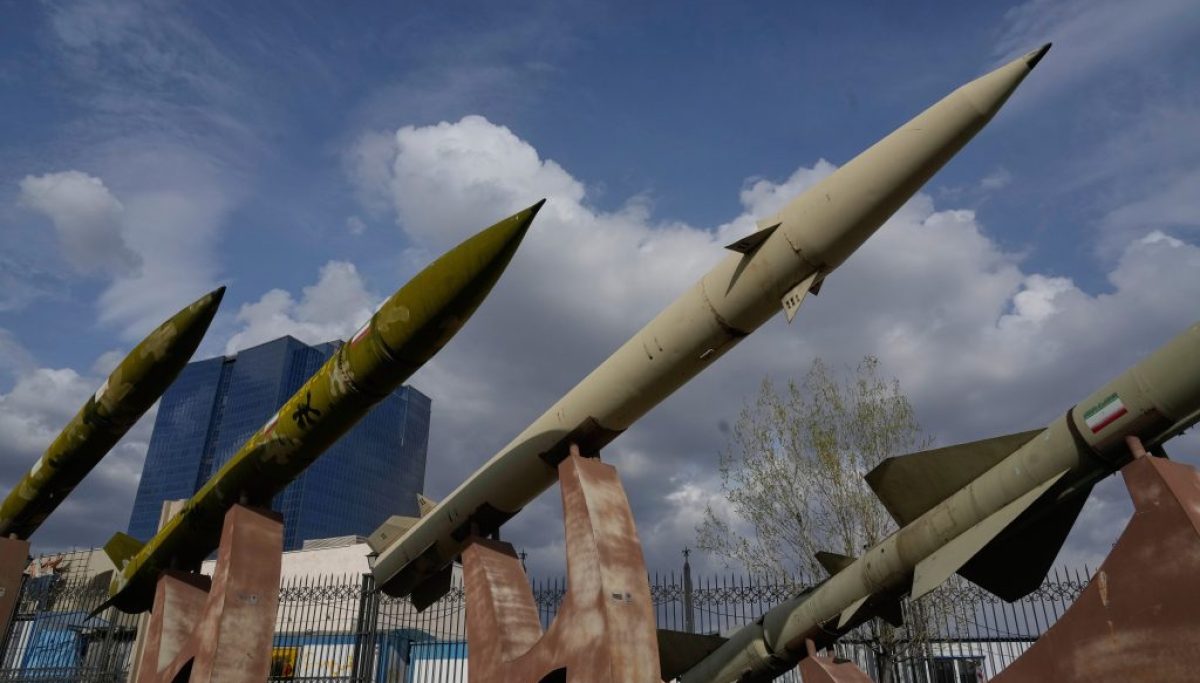
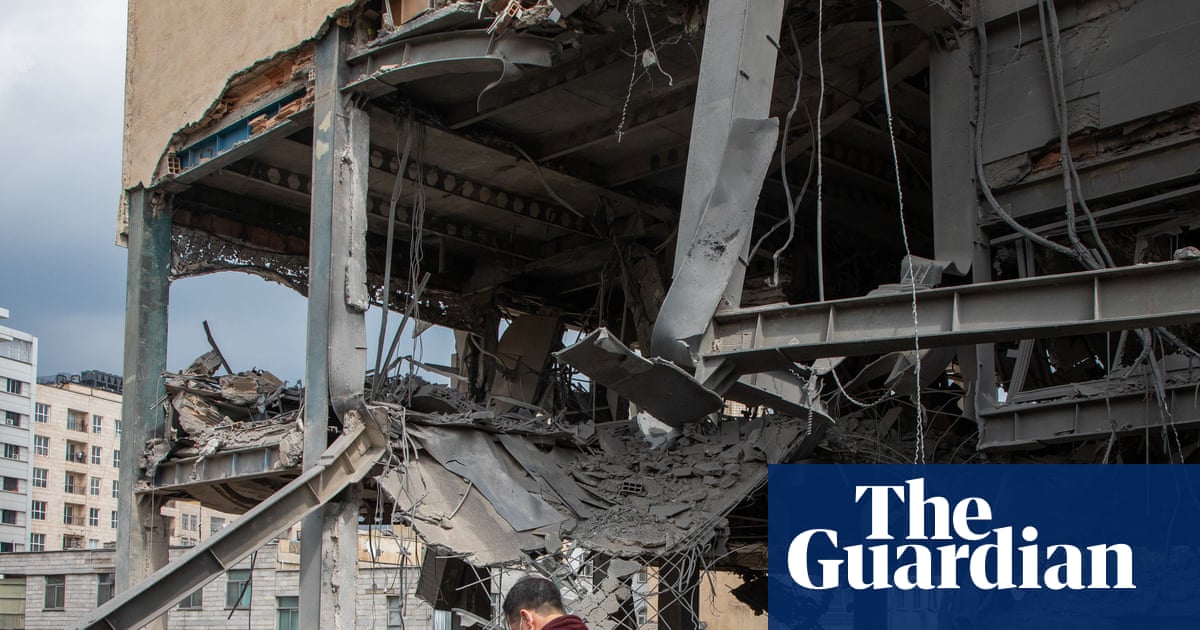
Top U.S., Iranian, and regional diplomats are moving toward direct or indirect talks in Pakistan aimed at de-escalating a monthlong war that has killed more than 3,000 people and involved missile barrages, drone attacks, and widening fronts from Israel to southern Lebanon. Both liberal- and conservative‑aligned outlets agree that Pakistan is positioning itself as a mediator, hosting or preparing to host U.S.–Iran talks after convening foreign ministers from Saudi Arabia, Turkey, and Egypt in Islamabad to discuss ending the broader Middle East conflict. They also concur that Washington and Israel have carried out extensive strikes on Iran, that Iran has responded with missiles and drones, and that the U.S. is reportedly preparing or at least planning for potential ground operations even as it engages in diplomacy.
Coverage from both sides places these talks within a wider regional crisis involving Israel’s military operations, escalating Houthi missile launches, and fears of a broader war. They identify Pakistan as a mutually acceptable intermediary trusted enough by both Washington and Tehran to facilitate de‑escalation, even though the parties remain far apart on any durable ceasefire arrangements. Both perspectives acknowledge that Iran publicly expresses skepticism about U.S. intentions while still engaging with the Pakistan‑hosted process, that regional powers such as Saudi Arabia, Turkey, and Egypt seek to prevent further destabilization, and that the diplomatic track is unfolding in parallel with ongoing, and possibly expanding, military operations.
Intentions and motives. Liberal outlets emphasize Iranian claims that the U.S. is using the diplomatic track as cover for planning a ground assault, framing Washington’s outreach as potentially duplicitous and driven by military leverage rather than a sincere peace push. Conservative coverage, by contrast, tends to frame U.S. participation in Pakistan‑hosted talks as a genuine effort to end the conflict and contain regional spillover, casting Iran’s accusations as obstructionist rhetoric or bargaining tactics.
Characterization of Iran and the conflict. Liberal‑aligned reporting focuses on Iran’s warnings and its portrayal as being under threat from U.S. and Israeli escalation, often foregrounding concerns over civilian casualties and the risks of a larger regional war. Conservative sources more often describe the confrontation as a war that began with U.S. and Israeli strikes in response to Iranian actions and depict Tehran as expanding the conflict through missile and drone attacks, positioning Iran as a primary destabilizing actor rather than a mostly reactive one.
Role and leverage of Pakistan. Liberal coverage presents Pakistan mainly as a diplomatic facilitator trying to carve out space for a ceasefire amid great‑power maneuvering, highlighting the constraints Islamabad faces when the core dispute is between Washington and Tehran. Conservative outlets, however, sometimes cast Pakistan in a more strategically significant role, emphasizing that both the U.S. and Iran "trust" Islamabad’s mediation and suggesting that the gathering of Saudi, Turkish, and Egyptian diplomats could give Pakistan outsized influence over any eventual settlement.
Prospects for talks. Liberal sources tend to stress the deep disagreements over ceasefire terms and portray the talks as fragile and easily undercut by ongoing or planned military operations, with Iranian suspicions of U.S. intentions front and center. Conservative reporting, while acknowledging limited immediate progress, is somewhat more inclined to treat the talks as a meaningful diplomatic channel that could, with sustained pressure on Iran and coordinated regional diplomacy, lead to de‑escalation despite continued fighting.
In summary, liberal coverage tends to spotlight Iranian fears, U.S. military planning, and the fragility of diplomacy overshadowed by escalation, while conservative coverage tends to highlight U.S. and regional mediation efforts, portray Iran as the main spoiler, and express somewhat greater hope that Pakistan‑hosted talks can eventually curb the conflict.