


conservative
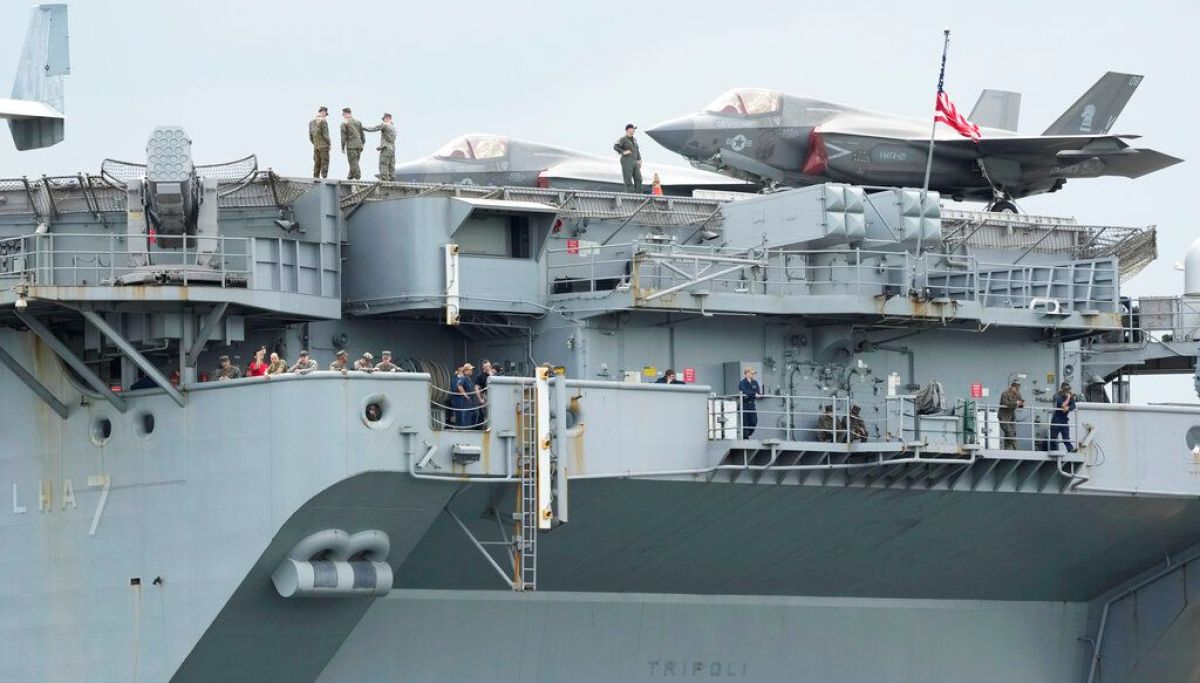
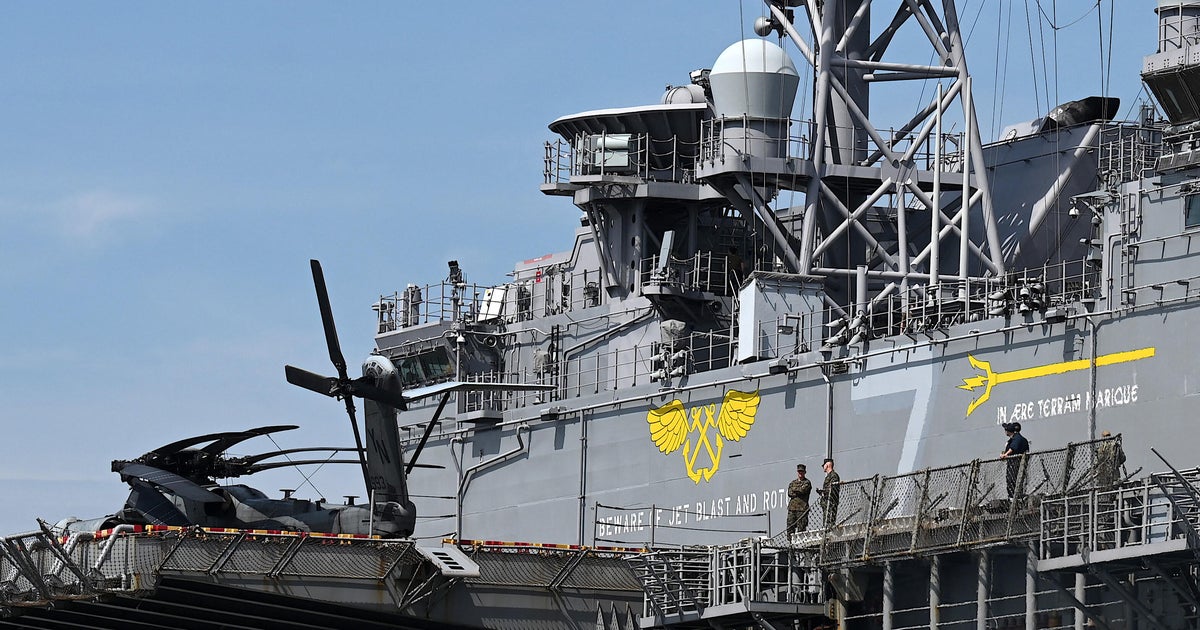
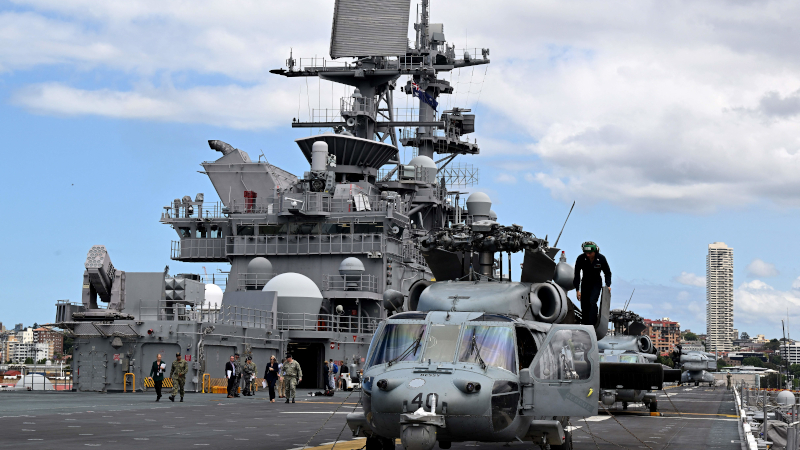
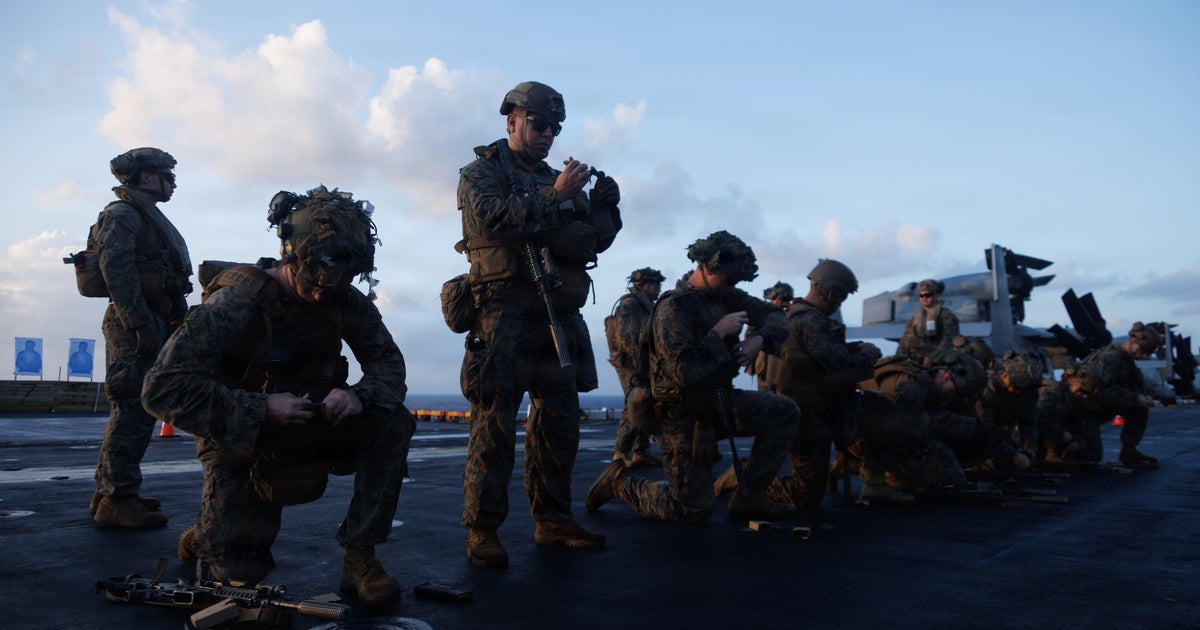
US Marine unit and warship arrive in Middle East, CENTCOM says
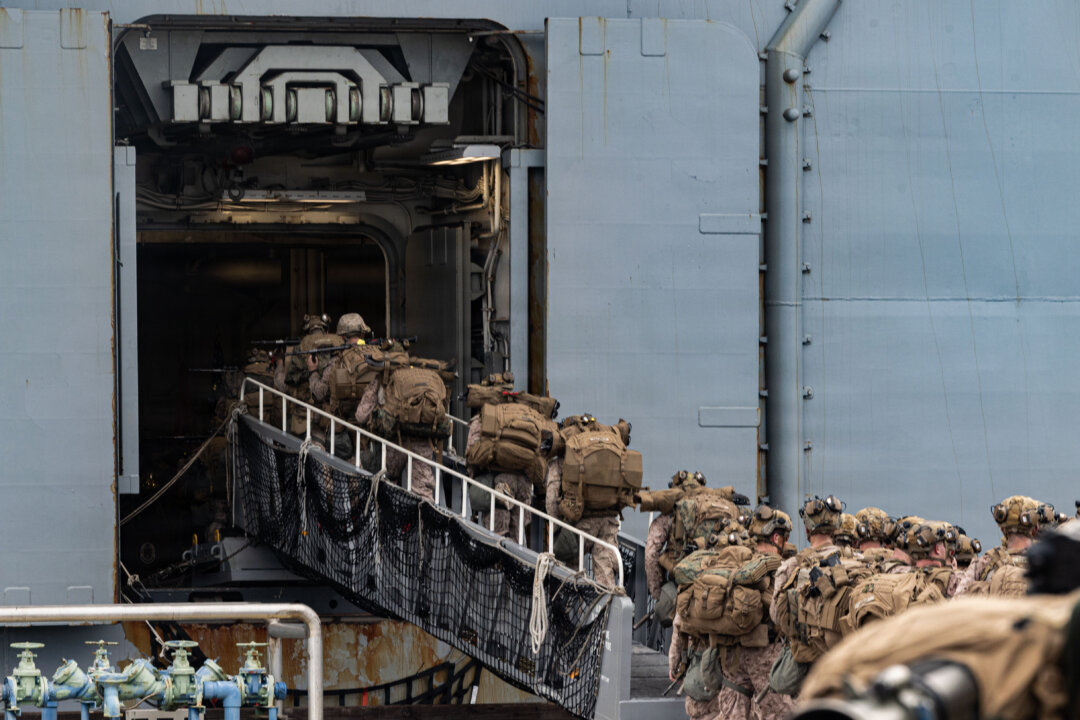
Over 3,000 U.S. troops deployed to the Middle East amid the war in Iran have now arrived in the region, U.S. Central Command said on Saturday.
11 days ago
More than 3,000–3,500 U.S. troops, largely Marines and sailors aboard the amphibious assault ship USS Tripoli and elements of Marine Expeditionary Units, have arrived in the Middle East as part of a wider Pentagon buildup under U.S. Central Command. Both liberal and conservative outlets describe this as a surge of military assets into CENTCOM’s area of responsibility following Iranian missile and drone attacks that injured U.S. personnel and damaged aircraft in Saudi Arabia, amid escalating strikes inside Iran and against Iranian-backed Houthi forces that are threatening global shipping routes and the Strait of Hormuz.
Coverage from both sides agrees that the deployment includes thousands of Marines, sailors, Army paratroopers, and Special Operations Forces such as Navy SEALs and Army Rangers, aimed at giving the U.S. president expanded options ranging from securing vital waterways to striking key Iranian infrastructure. They also concur that the buildup reflects heightened U.S. readiness in a rapidly widening conflict involving attacks on industrial, energy, and potentially nuclear-linked sites across the Gulf states, while diplomatic efforts and ceasefire proposals continue with uncertain prospects for reopening commercial shipping lanes and stabilizing the region.
Purpose and framing of the deployment. Liberal-aligned coverage tends to frame the troop surge as a response meant to contain escalation, protect global shipping, and reinforce deterrence while diplomacy and ceasefire talks sputter. Conservative sources more often portray it as a deliberate show of strength that underscores U.S. resolve, emphasizing combat readiness and the offensive capabilities of assets like the USS Tripoli and its air wing. Where liberal outlets stress the need to avoid a larger regional war even as options are prepared, conservative reporting leans into the narrative that credible military force is necessary to compel Iranian restraint.
Assessment of escalation risk. Liberal sources emphasize the danger that adding thousands of U.S. troops and striking thousands of targets inside Iran could entrench a war footing and provoke broader conflict, highlighting the involvement of Iranian-backed militias and regional spillover. Conservative outlets acknowledge the risks but are more likely to argue that decisive military pressure—illustrated by claims of over 11,000 Iranian targets hit and numerous naval assets destroyed—can shorten the conflict and restore deterrence. This leads liberal coverage to focus on potential quagmires and humanitarian consequences, while conservative coverage underscores managing, rather than amplifying, escalation through strength.
Responsibility and strategic blame. Liberal-aligned reporting often distributes responsibility across multiple actors, noting Iranian missile and drone attacks, Houthi disruptions to shipping, and the failures of diplomacy on all sides, including U.S. policy choices that have heightened tensions. Conservative sources, by contrast, foreground Iran’s aggression and sponsorship of proxy forces as the primary cause of the crisis, framing U.S. actions as reactive and justified self-defense in response to wounded personnel and damaged facilities. As a result, liberals more frequently question whether U.S. strategy itself helped create the conditions for confrontation, whereas conservatives more squarely blame Tehran’s regional ambitions and violations of international norms.
Endgame and policy implications. Liberal coverage tends to raise questions about the long-term U.S. role in the region, the risk of mission creep toward ground operations in Iran, and the absence of a clear diplomatic off-ramp or congressional debate over an expanded campaign. Conservative reporting is more likely to treat the buildup as a necessary step toward achieving operational objectives such as reopening the Strait of Hormuz, degrading Iranian capabilities, and securing allied states, sometimes implying that sustained pressure is preferable to premature talks. Thus, liberal sources often call attention to war-weariness and oversight concerns, while conservative outlets stress achieving military leverage first and negotiating from a position of dominance.
In summary, liberal coverage tends to stress escalation risks, diffuse responsibility, and the need for diplomatic and political checks on an expanding U.S. military role, while conservative coverage tends to emphasize Iranian aggression, the necessity of robust force projection, and the importance of achieving clear military gains before any durable settlement.