The outlets broadly agree that the White House is publicly asserting progress in backchannel negotiations with Iran even as Tehran issues public denials, with press secretary Karoline Leavitt repeatedly characterizing the talks as positive and ongoing. Both sides report that Iran is simultaneously involved in military or proxy clashes, including strikes on or around critical energy infrastructure tied to the conflict and the Strait of Hormuz, while the Trump administration touts an imminent deal based on a 15-point plan that would permit some Iranian oil transit. They also concur that these mixed signals are occurring against a backdrop of heightened regional tensions, and that the White House is using public briefings to frame Iran as increasingly interested in engagement despite Tehran’s rhetoric.
Coverage from both liberal and conservative outlets notes that the negotiations involve longstanding U.S.-Iran disputes over sanctions, regional behavior, and oil flows, taking place through indirect or nonpublic channels despite public posturing. There is shared recognition that domestic U.S. politics shape how the administration presents these talks, with Iran’s denials seen as part of a familiar pattern of diplomatic signaling and face-saving for hardliners at home. Both sides acknowledge that markets, particularly energy and related equities, are responding to any perception of de-escalation, and that institutions like the White House, Congress, and security agencies are all implicated in managing the risks of miscalculation amid continued strikes and cyber or infrastructure vulnerabilities.
Areas of disagreement
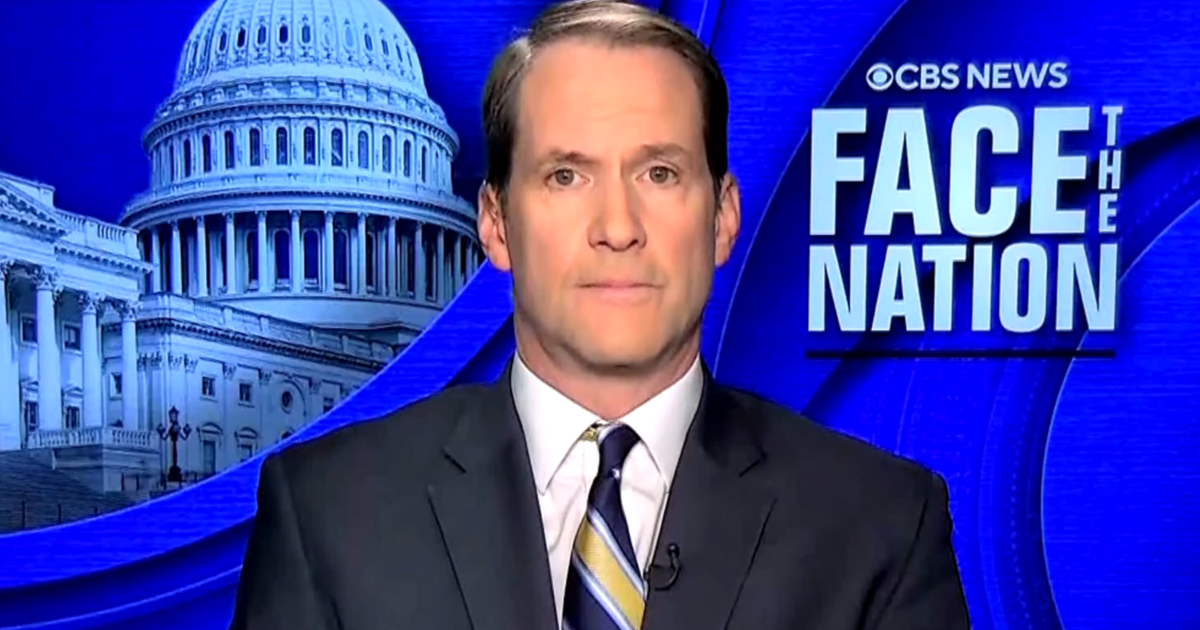
Credibility of the White House narrative. Liberal-aligned outlets question the veracity of Trump’s claims of progress, prominently featuring critics like Representative Jim Himes accusing him of “flat-out lying” about negotiating with Iran and treating the White House optimism as spin disconnected from Tehran’s public stance. Conservative outlets, by contrast, largely take the White House at its word that talks are advancing, portraying Iran’s public denials as theater and emphasizing Leavitt’s assertion that private discussions are going well. Liberal coverage tends to frame the conflicting messages as evidence of a credibility gap, while conservative reporting frames them as evidence of savvy diplomatic pressure.
Interpretation of Iran’s motives. Liberal sources describe Iran’s behavior as driven by security concerns, domestic politics, and economic pressure, casting its public rejections as at least partly genuine resistance to U.S. demands and sanctions. Conservative sources more often argue that Iran is “increasingly eager” to negotiate because of U.S. pressure, treating the denials as a calculated facade to save face with hardliners while quietly moving toward Trump’s 15-point framework. Liberals thus highlight structural mistrust and the risk of over-reading progress, whereas conservatives emphasize leverage and strategic signaling that validates the administration’s approach.
Assessment of Trump’s strategy and outcomes. Liberal-aligned coverage is skeptical that Trump’s strategy is producing a real, sustainable de-escalation, pointing to ongoing strikes and warning that early market optimism may be premature or driven by political messaging rather than substantive breakthroughs. Conservative coverage portrays the same strategy as effective, crediting Trump with bringing Tehran to the table and suggesting that continued pressure, including military and economic tools, is pushing Iran toward concessions on oil transit and regional behavior. Liberals tend to foreground the danger of miscalculation and the lack of verifiable progress, while conservatives stress imminent deal-making and depict the conflict as close to resolution under Trump’s leadership.
Framing of broader stakes. Liberal outlets, when they reference knock-on effects like market movements or cybersecurity, tend to stress systemic risk and the need for transparent diplomacy and institutional checks on presidential claims. Conservative outlets more often embed the Iran talks within a narrative of Trump-era policy successes and broader legal or sovereignty debates, such as concurrent Supreme Court cases, framing the negotiations as one front in a wider assertion of U.S. strength. This leads liberals to focus on accountability and long-term stability, while conservatives focus on national resolve and short-term wins aligned with the administration’s agenda.
In summary, liberal coverage tends to cast doubt on the White House’s optimism, stress the persistence of conflict, and highlight questions about Trump’s honesty and the durability of any prospective deal, while conservative coverage tends to validate the administration’s claims of quiet progress, portray Iran’s denials as superficial posturing, and frame Trump’s hard-line strategy as successfully driving Tehran toward negotiation.