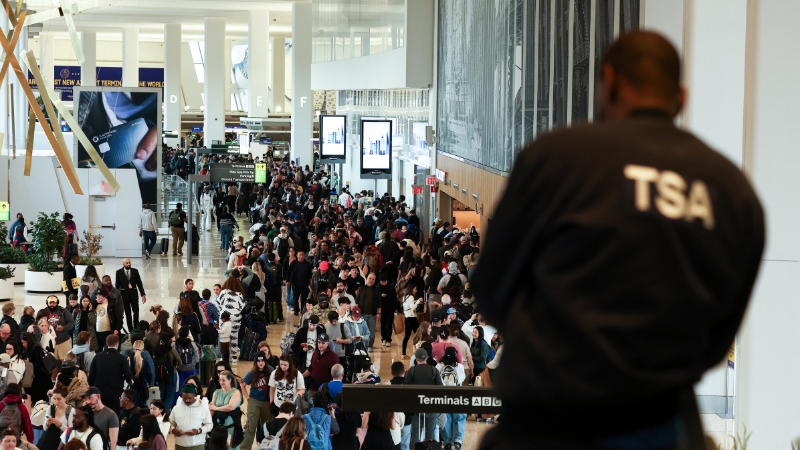
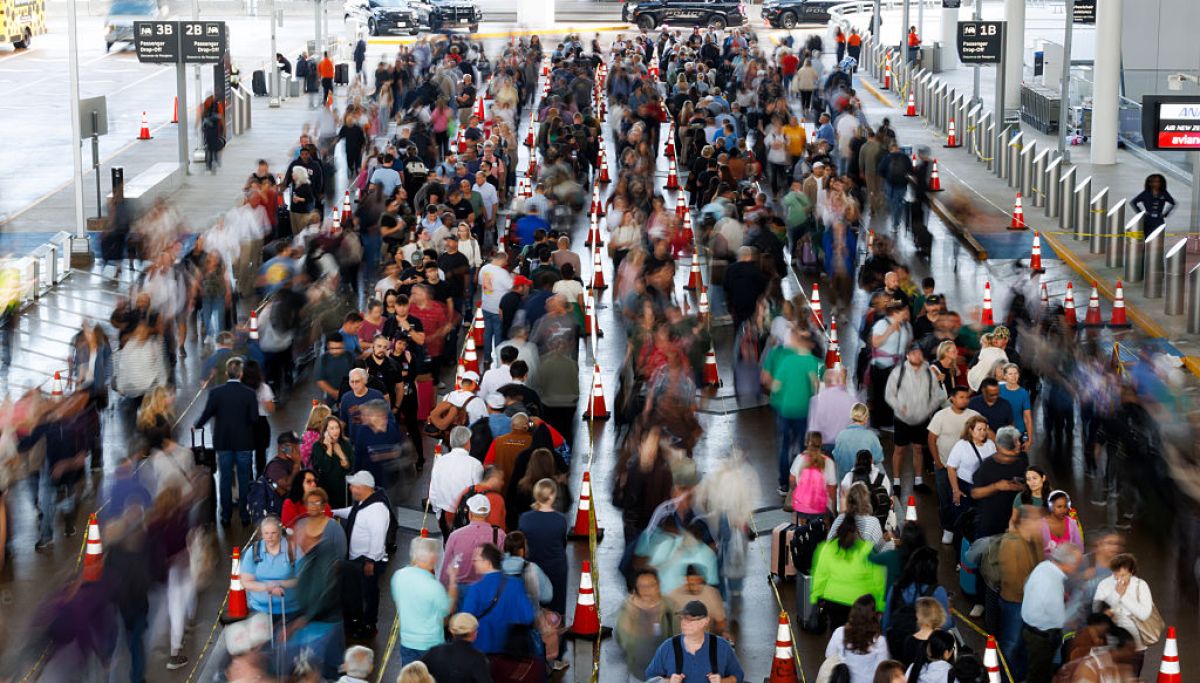
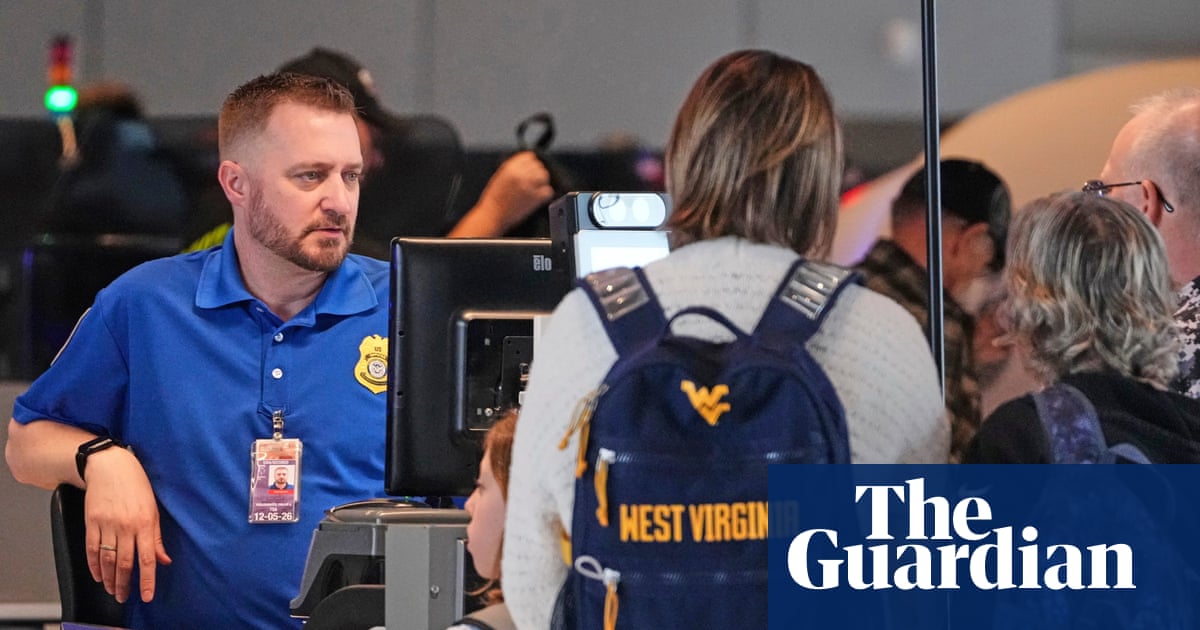
The current partial shutdown of the Department of Homeland Security has become the longest DHS-specific funding lapse on record, with both liberal- and conservative-aligned outlets agreeing that Congress has left Washington for a roughly two‑week Easter/Passover recess while the impasse continues. Both sides report that the Senate quickly held pro forma sessions and adjourned without taking up House‑backed funding bills, and that competing proposals in the House and Senate—over whether and how to fund components like ICE—have stalled any compromise. There is agreement that President Trump issued an executive order enabling TSA officers to receive back pay or renewed paychecks starting as early as Monday, easing some of the worst airport bottlenecks, while other DHS components such as FEMA, the Coast Guard, and certain border and immigration functions remain unpaid or underfunded. Both sets of outlets acknowledge that TSA staffing shortages, call‑outs, and the use of ICE agents to backfill airport security checkpoints have been direct operational consequences of the shutdown, and that there is no clear end date while Congress remains recessed.
Coverage across the spectrum also aligns on key institutional and procedural context: DHS funding is tied up because Congress has failed to pass a full appropriations bill or a consensus temporary extension, and each chamber has rejected the other’s preferred approach. Both liberal- and conservative-aligned sources describe a divided Republican Party struggling to present a unified strategy, internal disagreements between Senate and House Republicans, and a broader partisan deadlock over immigration enforcement and ICE funding levels embedded in DHS appropriations. They concur that Trump’s executive maneuvers can only partially mitigate the shutdown’s effects and do not substitute for an enacted funding law, and that rank‑and‑file DHS employees—particularly TSA officers, Border Patrol, ICE staff, and other security personnel—are caught in the middle of the standoff. Across outlets, there is common recognition that the shutdown highlights structural vulnerabilities in how essential security agencies depend on short‑term political deals and recurring brinkmanship over immigration and border policy.
Areas of disagreement
Responsibility and blame. Liberal-aligned coverage overwhelmingly faults Democrats for the shutdown, arguing they are “holding DHS funding hostage” to defund or restrict ICE and prioritizing ideological demands over homeland security paychecks. Conservative-aligned coverage spreads responsibility more broadly, emphasizing Republican disarray and a “real problem” inside the GOP as House and Senate Republicans fail to align on a plan. Liberal sources frame Democrats as actively blocking House-passed full-funding bills and objecting to quick passage in the Senate, while conservative outlets more often describe a generalized congressional stalemate and institutional gridlock without singularly vilifying Democrats.
Motives and stakes of the funding fight. Liberal-leaning outlets portray Democrats as pursuing radical changes to immigration enforcement—such as cutting ICE funding, limiting deportations, or even “unmasking” agents—using TSA lines and unpaid workers as leverage to force concessions. Conservative-aligned sources tend to cast the conflict as a broader struggle over fiscal responsibility, institutional procedure, and the risks of ad hoc executive fixes, suggesting both parties are navigating “uncharted waters” with partial payments and patchwork workarounds. While liberal coverage presents Trump and his allies as defending public safety and the rule of law against a softer Democratic approach to illegal immigration, conservative coverage more neutrally underscores uncertainty about how long security operations can be sustained under such fragmented funding.
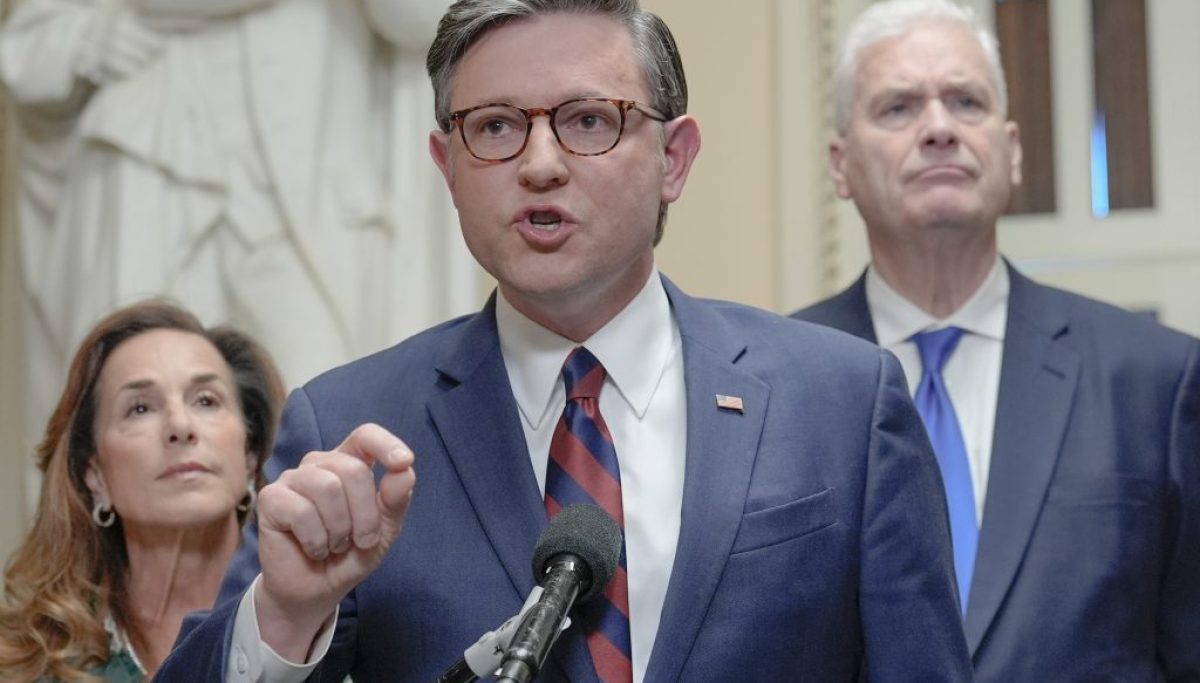
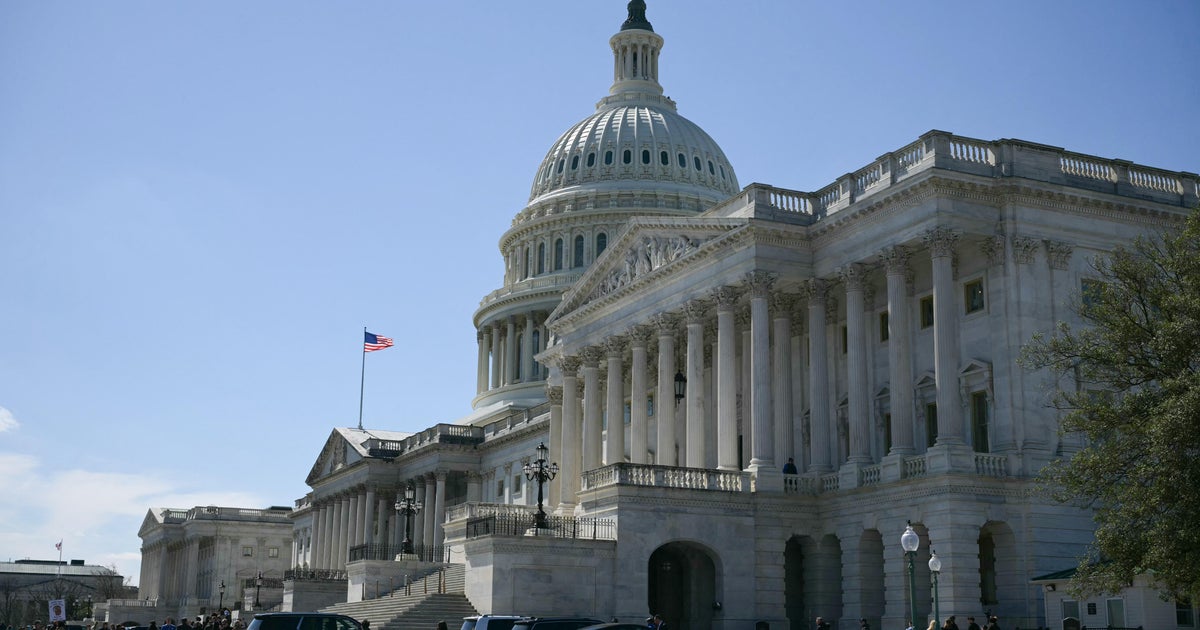
Portrayal of Congress and individual lawmakers. Liberal-aligned reporting is sharply critical of Senate Democrats and some Senate Republicans, highlighting scenes like a 30‑second pro forma session, Democrats objecting to immediate passage of the House bill, and figures such as Lindsey Graham vacationing at Disney World as evidence of lawmakers abandoning DHS workers. Conservative-aligned articles focus more on Congress as a whole leaving town, noting that both parties departed for recess amid a record-breaking shutdown and referencing pressure from Trump, unions, and some lawmakers for Congress to return. Liberal sources personalize the criticism, using imagery and anecdote to depict Democrats and GOP “establishment” senators as cavalier about unpaid staff, whereas conservative sources frame it as an institutional failure that reflects poorly on party leadership generally.
Assessment of Trump’s role and executive action. Liberal-leaning outlets frame Trump’s executive order to pay TSA agents as a decisive move that alleviated airport chaos and demonstrated concern for front‑line workers, while insisting that only Congress can fully restore DHS funding and criticizing senators (including Republicans) for ignoring his calls to return. Conservative-aligned outlets treat the executive order more cautiously, depicting it as a temporary band‑aid that raises legal and budgetary questions and leaves many DHS employees, such as FEMA and Coast Guard staff, still unpaid. Liberal coverage tends to cast Trump as proactive and constrained by an uncooperative Congress, whereas conservative coverage highlights the limits and potential complications of his intervention and the political bind it creates for Republicans as they seek a sustainable legislative solution.
In summary, liberal coverage tends to center Democratic obstruction, argue that immigration hard-liners are simply trying to keep DHS fully funded, and cast Trump’s executive action as a justified, worker-focused workaround, while conservative coverage tends to highlight bipartisan and intra-GOP dysfunction, stress the institutional and legal uncertainty around partial payments, and frame the shutdown as a complex party-management and governance challenge rather than a one-sided partisan gambit.