
conservative
US 'Worked Directly' With Terrorists in Syria on Israel's Behalf
Washington colluded with Al-Qaeda and ISIS in Syria to topple Bashar Assad, ex-counterterrorism chief says
10 days ago
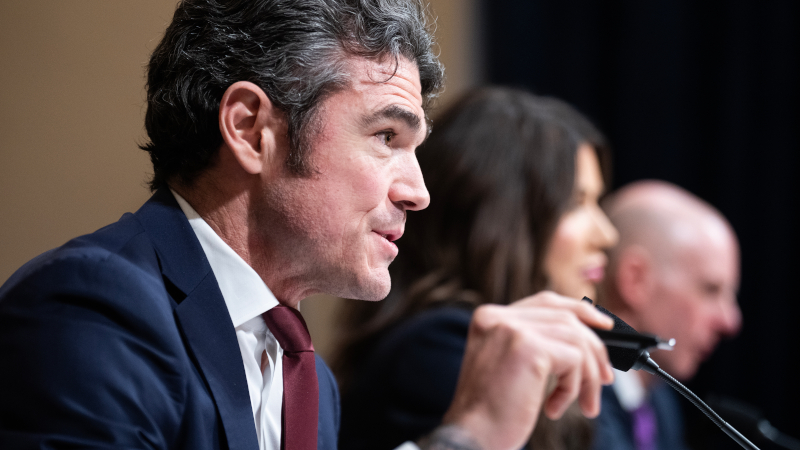
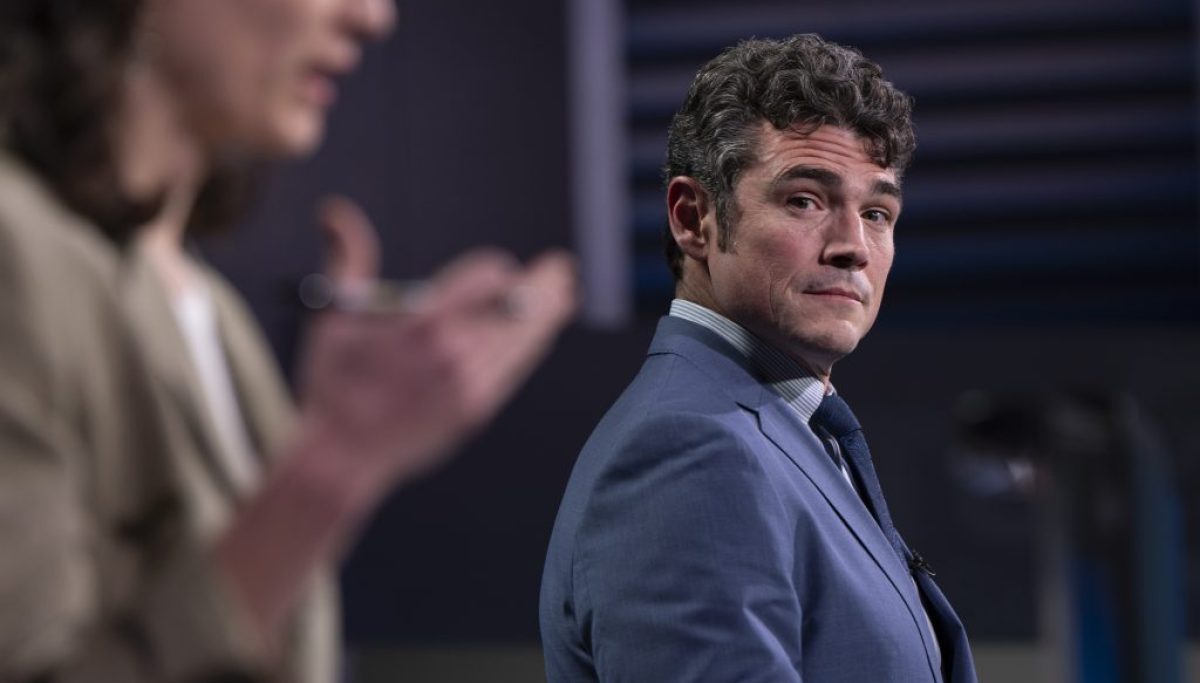
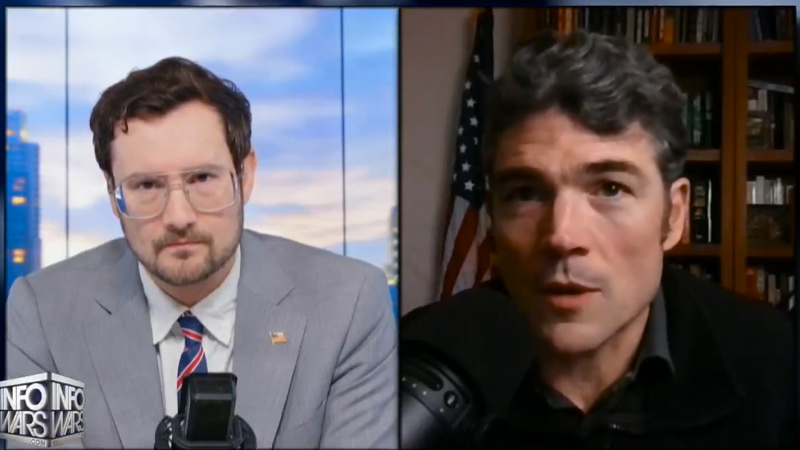
Former National Counterterrorism Center chief Joe Kent has emerged in recent coverage as a prominent critic of any move toward a U.S. ground war with Iran, with both liberal- and conservative-aligned narratives agreeing on the core facts of his public stance. They concur that Kent, who previously served in a senior counterterrorism role under the Trump administration and later resigned, is now urging Americans to pressure the White House and Congress to block deployment of U.S. ground troops in a potential Iran conflict, warning that such a step would be a catastrophic escalation. Both sides acknowledge that he links his resignation directly to opposition to the Iran war, argues Iran posed no imminent threat at the time of planning, and frames the conflict as strategically unnecessary and dangerously destabilizing. Coverage agrees that he has publicly criticized prior U.S. policy in Syria, including cooperation with extremist factions against the Assad government, and that he portrays these choices as part of a broader, long-running campaign against Iran that has frequently backfired.
On context, liberal- and conservative-aligned discussions both situate Kent’s comments within the post-9/11 era of U.S. counterterrorism policy, regime-change operations, and entanglements in the Middle East that have stretched across multiple administrations. They describe shared institutional dynamics in which intelligence agencies, the Pentagon, and political leaders have at times backed militant proxies in conflicts like Syria, only to confront long-term blowback and destabilization. Both treatments acknowledge that U.S. policy has been closely intertwined with Israeli security concerns, debates over how to contain Iran’s regional influence, and domestic pressure from powerful foreign policy lobbies. There is broad agreement that Kent’s warnings arrive amid continuing tensions over Iran’s nuclear program, regional proxy conflicts, and U.S. attempts to deter Iran through sanctions and threats to its energy infrastructure, making his call to avoid a ground war part of a wider reassessment of interventionist strategies.
Motives and drivers of policy. Liberal-aligned sources tend to describe Kent’s opposition as part of a broader critique of U.S. overreach and “endless wars,” emphasizing institutional groupthink, military–industrial interests, and bipartisan hawkishness as key drivers of escalation toward Iran. Conservative-aligned outlets, particularly those in the populist or nationalist sphere, more often highlight alleged pressure from Israel and its lobby, and sometimes from ill-defined “globalist” interests, as central to pushing the United States toward conflict. While liberals emphasize systemic policy failures and strategic miscalculation, conservatives spotlight external manipulation and betrayal of American interests.
Characterization of U.S.–Israel ties. Liberal-aligned coverage generally frames the U.S.–Israel relationship as a close but conventional alliance where Israeli preferences strongly influence, but do not wholly dictate, American decisions on Iran. Conservative-aligned sources spotlighting Kent’s remarks go much further, talking about a de facto U.S.–Israeli war on Iran, claiming Washington “worked directly” with designated terrorist groups partly on Israel’s behalf, and even airing language about an “Israeli coup” against America. Liberals may criticize Israeli policy or U.S. deference to it, but conservatives in this space cast the Iran issue as evidence of deep capture of U.S. policy by a foreign ally.
Framing of past counterterrorism and Syria policy. Liberal-leaning narratives tend to present past U.S. involvement with Syrian opposition groups as a flawed, sometimes reckless attempt at regime change that blurred lines between moderates and extremists, focusing on policy error and poor vetting. Conservative-aligned coverage, drawing heavily on Kent’s claims, characterizes this history as deliberate cooperation with Al-Qaeda and ISIS derivatives, portraying it as a scandal in which U.S. and Israeli goals converged to empower terrorists knowingly. While liberals stress unintended consequences and blowback, conservatives frame it as willful complicity and evidence of a larger, hidden agenda.
Portrayal of Kent and institutional credibility. Liberal-aligned sources often treat Kent as one voice among several dissenting security experts, contextualizing him within an ongoing debate over Iran policy and sometimes noting the need to corroborate his more explosive assertions. Conservative-aligned outlets elevate him as a whistleblower and former “spy chief” whose insider status validates sweeping claims about a “globalist trap,” an Iran war designed to undermine U.S. sovereignty, and economic sabotage against the Trump agenda. Whereas liberal coverage may separate his mainstream warnings about escalation from his more controversial allegations, conservative coverage tends to package them together as a unified indictment of the national security establishment.
In summary, liberal coverage tends to frame Joe Kent’s warnings as a notable but institutionally grounded critique of U.S. interventionism and the risks of a ground war with Iran, while conservative coverage tends to present his testimony as bombshell confirmation of intentional collusion among U.S., Israeli, and globalist actors to trap America in a catastrophic Iran conflict.