conservative
Houthis Join Middle East Conflict
Yemeni group has said it is entering the battle against the US and Israel in support of Iran and other “resistance” factions
10 days ago
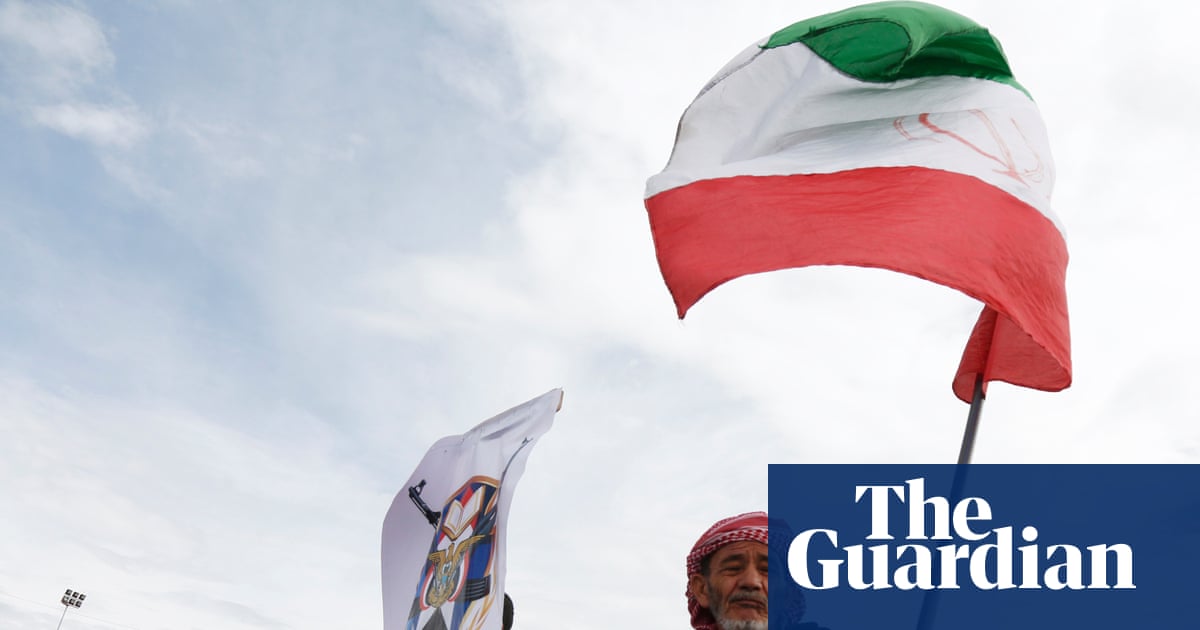
Yemeni Houthi forces have publicly declared they are entering the broader Middle East conflict, announcing missile launches toward Israel and linking their actions to ongoing fighting across the region. Both liberal and conservative outlets agree that the Houthis frame their moves as solidarity with Iran and aligned “resistance” groups, and note that the group has previously disrupted shipping in the Red Sea, with analysts warning of risks to global trade and energy markets. Reporting from both sides highlights that the attacks could further destabilize maritime security, raise oil prices, and widen an already volatile regional war that spans Yemen, Israel, Gaza, Lebanon, Iraq, and Iran.
Liberal and conservative coverage alike situates the Houthi escalation within the long-running Yemen civil war, the group’s alignment with Iran, and the strategic importance of the Red Sea and Bab el-Mandeb chokepoint for global commerce. Both emphasize that Yemen is already devastated by years of conflict and humanitarian crisis, that the Houthis have developed resilient military capabilities despite heavy Saudi-led intervention, and that their choices now—whether to prioritize ship interdiction or long-range missile and drone strikes—will shape the scale of regional and global fallout.
Motives and framing of the Houthis. Liberal-aligned outlets tend to cast the Houthis as a hardened nonstate actor shaped by years of foreign intervention and local grievance, stressing how economic pressures and war fatigue in Yemen might temper their escalation despite ideological solidarity with Iran. Conservative sources more often emphasize the Houthis as a key arm of an Iran-led “axis of resistance,” underscoring ideological commitment and coordination with Tehran rather than internal Yemeni constraints. While liberals foreground structural drivers like blockade, poverty, and war damage, conservatives lean into the group’s radical rhetoric and history of targeting U.S.- and Western-linked interests.
Attribution to Iran and regional architecture. Liberal coverage usually acknowledges Iranian support but treats the Houthis as having their own calculus, with Saudi negotiations and reconstruction incentives potentially pulling them away from maximal confrontation. Conservative coverage more strongly portrays them as a proxy force whose entry into the conflict is another front in Iran’s war on Israel and the West, framing Tehran as the central architect. This leads liberals to talk in terms of overlapping but partly autonomous actors, whereas conservatives stress a more unified, hierarchical network directed from Iran.
Economic and security emphasis. Liberal outlets discuss Red Sea shipping and possible oil price hikes as serious risks but embed these within a broader lens of humanitarian impact on Yemen and the region. Conservative outlets focus more heavily on maritime security, the threat to global energy supplies, and implications for Western and especially U.S. naval operations, often highlighting the need for stronger deterrence and military response. As a result, liberal pieces balance economic concerns with calls to avoid further devastation in Yemen, while conservative pieces prioritize securing trade routes and countering hostile actors.
Policy implications and responses. Liberal reporting tends to explore diplomatic off-ramps, referencing how Saudi-Houthi talks, economic incentives, and de-escalation frameworks might curb further Houthi attacks even after their entry into the conflict. Conservative coverage more frequently calls attention to the need for robust military and sanctions-based pressure on both the Houthis and Iran, warning that perceived weakness will invite more aggression in the Red Sea and against Israel. Where liberals focus on preventing Yemen from becoming a permanently entrenched front line, conservatives stress reasserting deterrence to protect allies and global commerce.
In summary, liberal coverage tends to stress the Houthis’ mixed motives, internal constraints, and the need for de-escalation that accounts for Yemen’s war-weariness, while conservative coverage tends to stress their role as an Iranian proxy, the urgency of restoring deterrence, and the security of Israel and global trade routes.