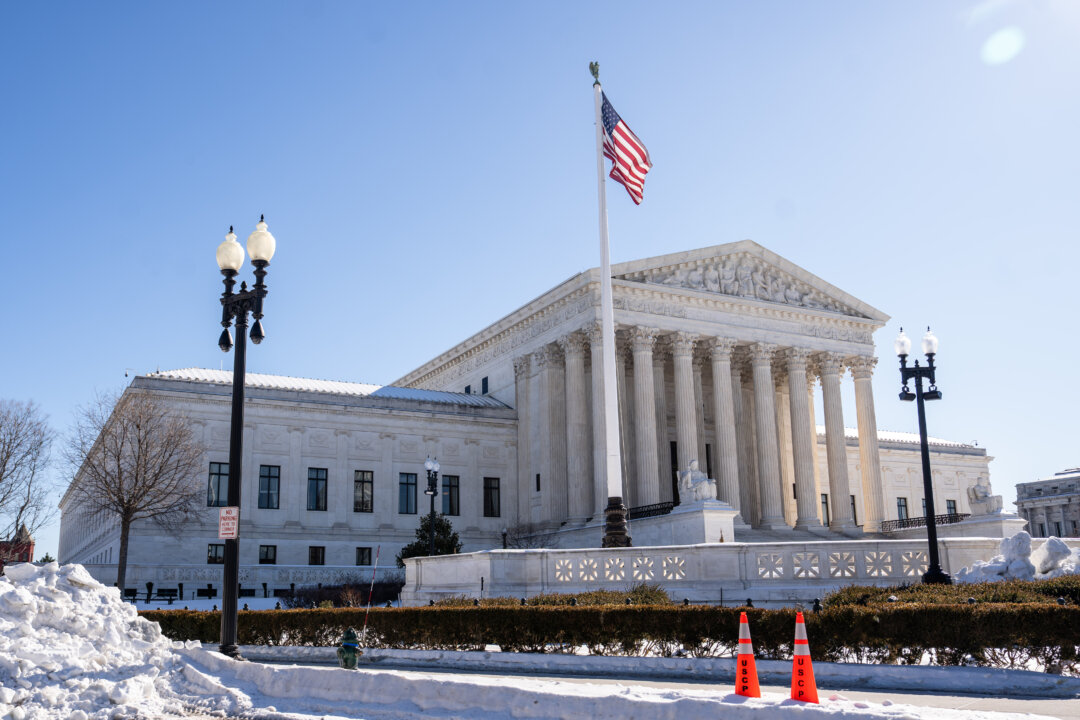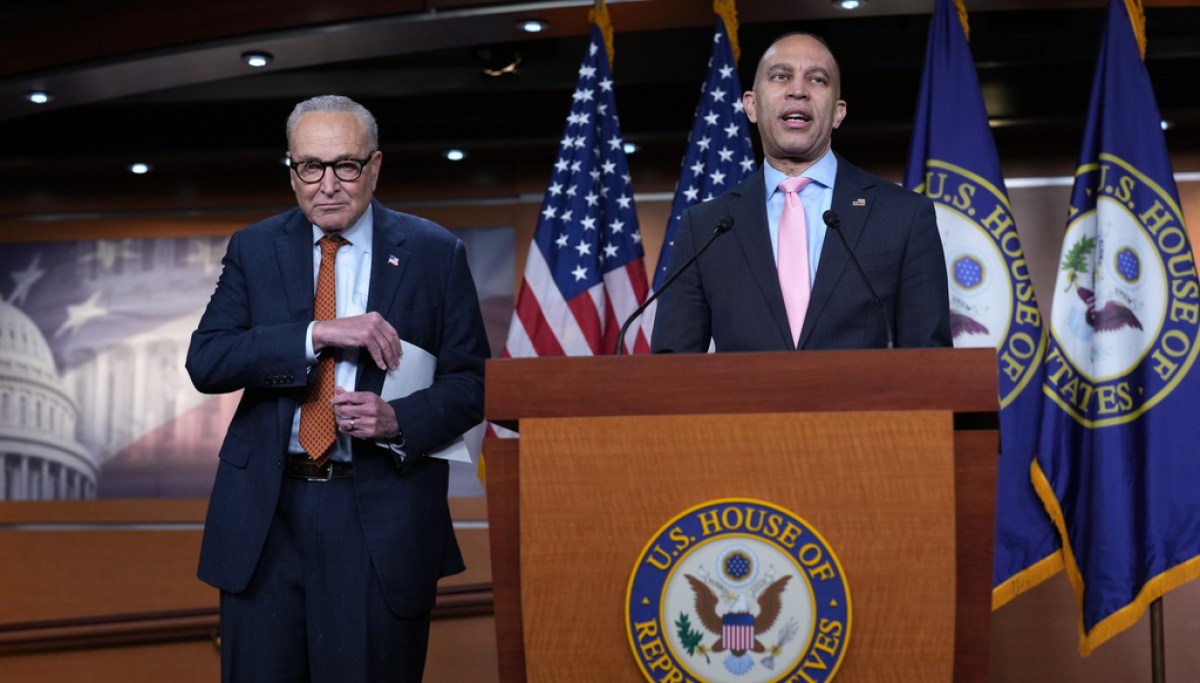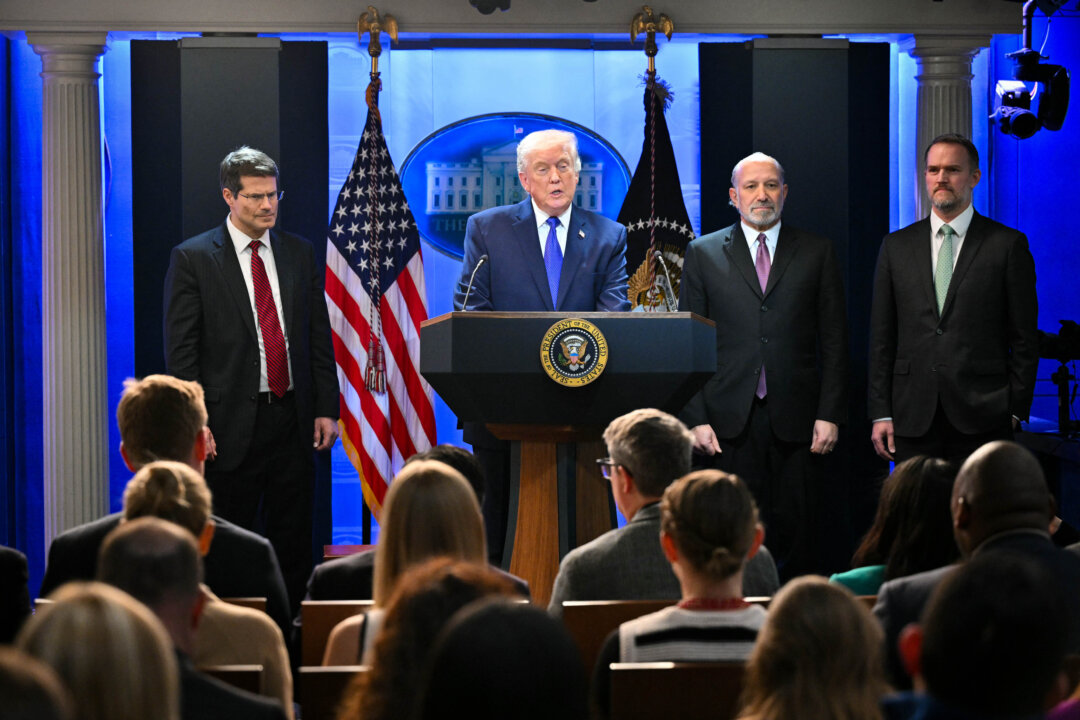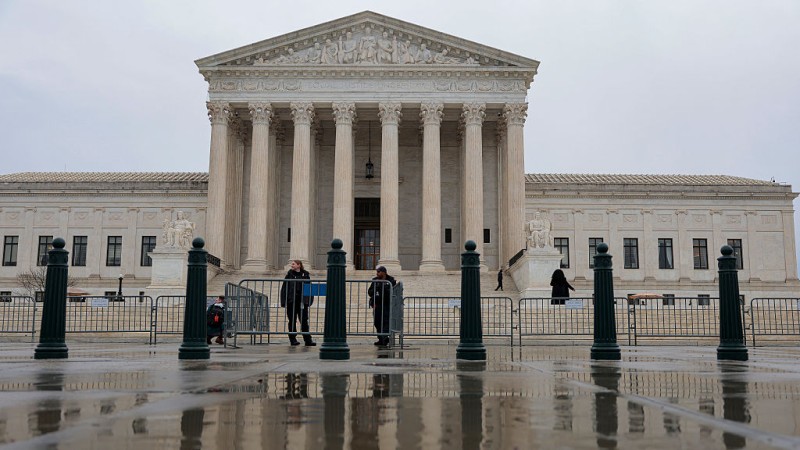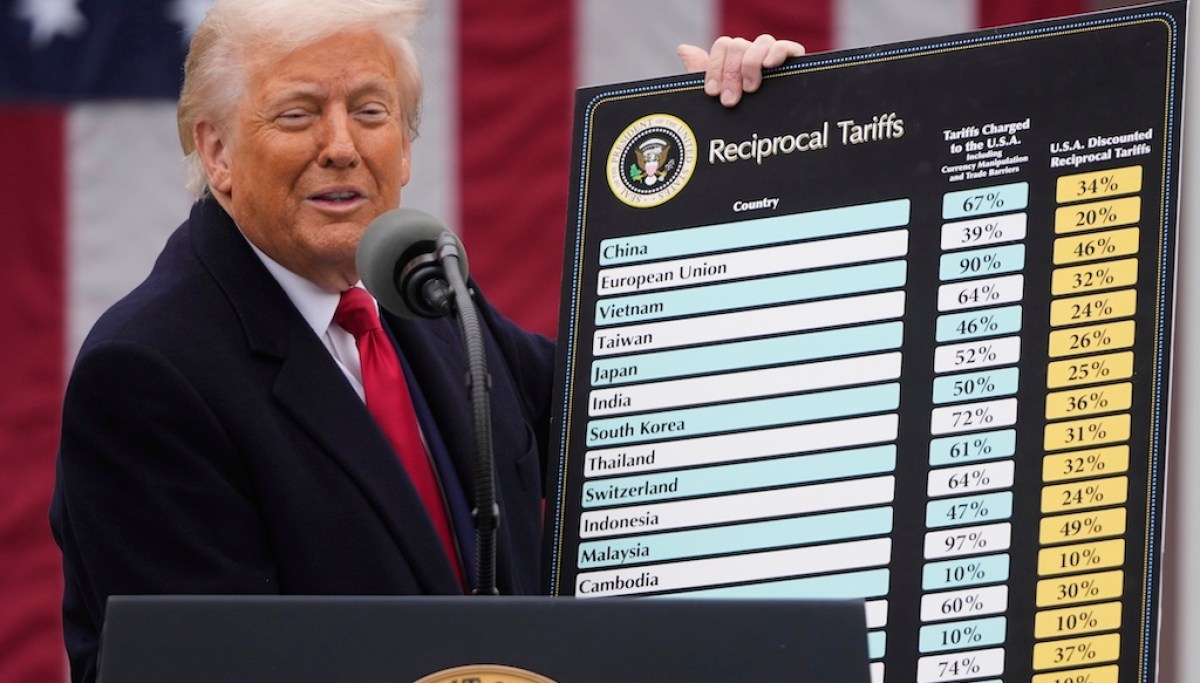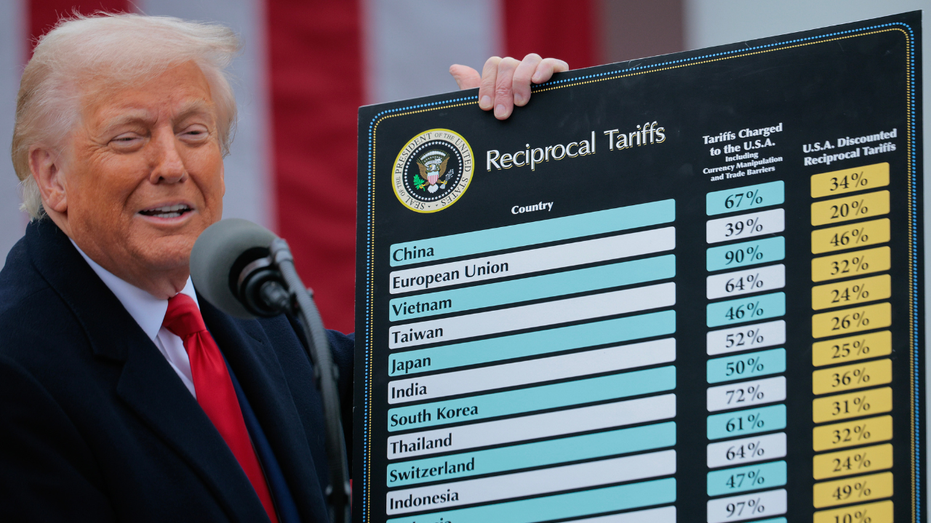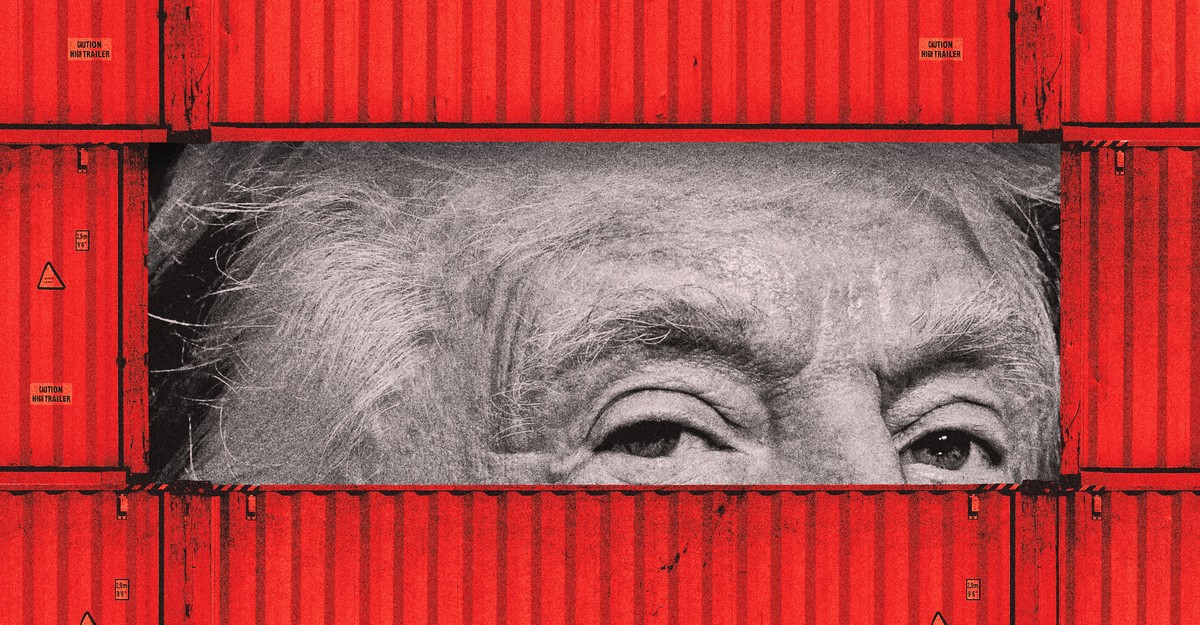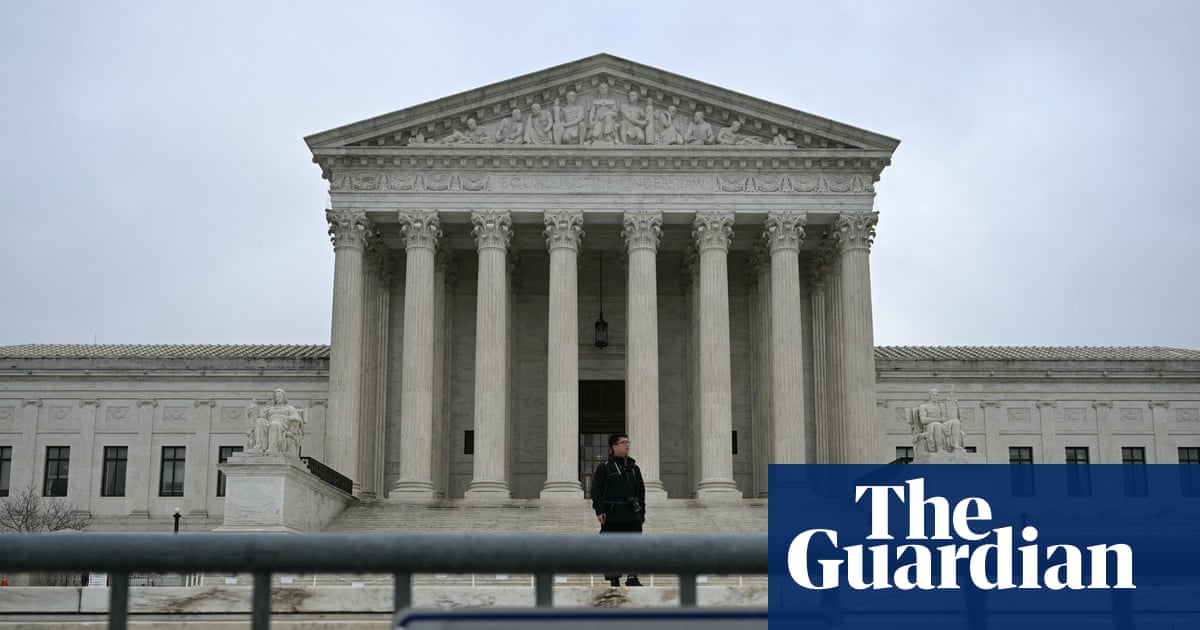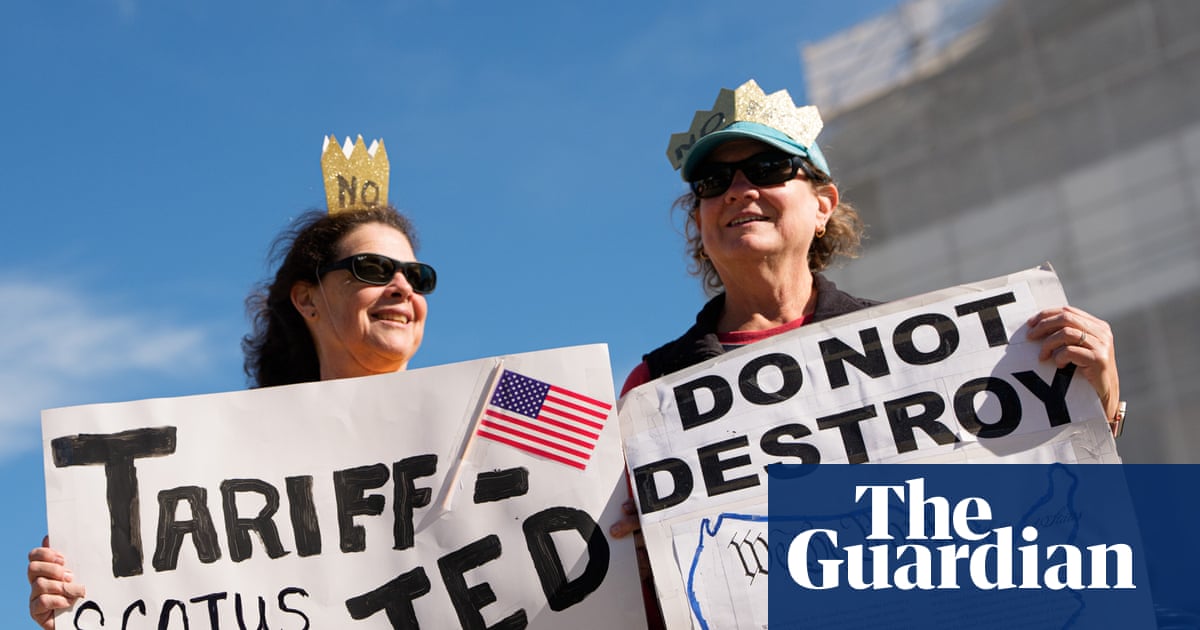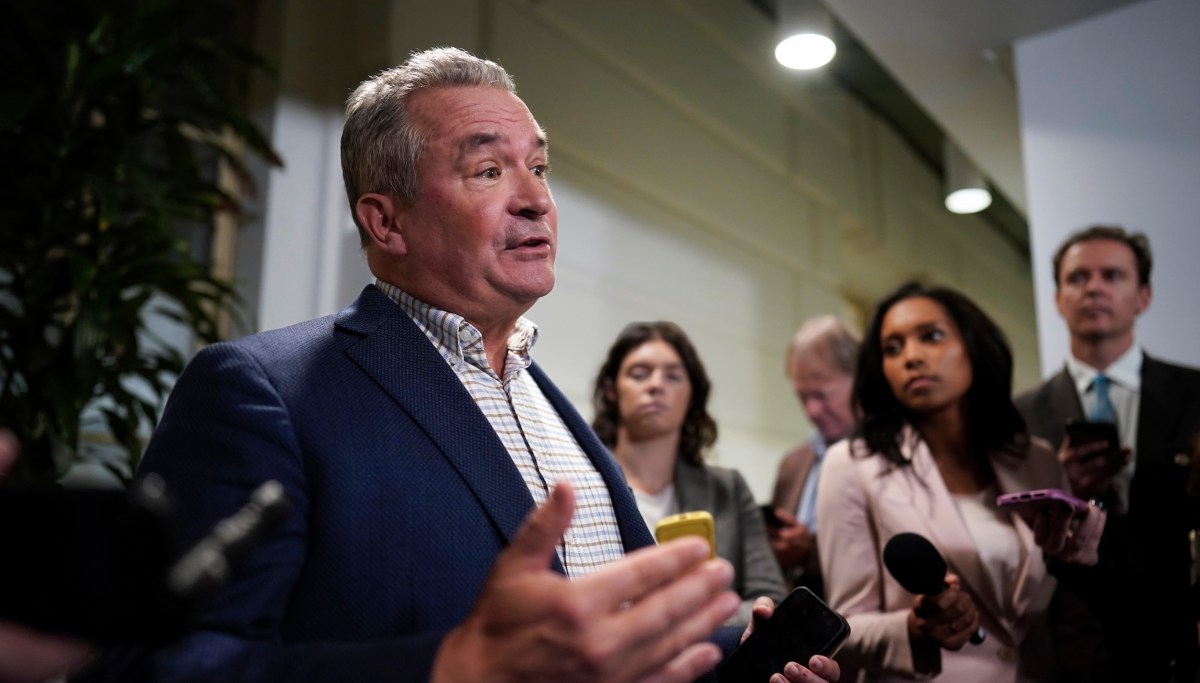









The Supreme Court, in a 6-3 decision authored by Chief Justice John Roberts, ruled that President Donald Trump exceeded his authority under the International Emergency Economic Powers Act (IEEPA) when he unilaterally imposed sweeping “reciprocal” or “Liberation Day” tariffs on a wide range of imports. Both liberal- and conservative-leaning outlets agree that the Court held IEEPA does not authorize the president to levy broad revenue-raising tariffs, reaffirming that the constitutional power to impose such taxes rests primarily with Congress. Reporting across the spectrum notes that tariffs imposed under other statutes, such as Section 232 national security tariffs on steel and aluminum and certain China-related duties, remain in place. There is broad acknowledgment that the ruling has triggered a rush by U.S. and foreign firms to seek refunds on tariffs paid—potentially in the range of $150–$175 billion—though the Court left refund procedures and the fate of customs bonds to lower courts and agencies, making the timing and scale of any repayments uncertain.
Coverage from both sides also stresses that Trump quickly vowed to respond by using alternative legal authorities to impose a new 10% global tariff on imports, framed as an across-the-board levy layered on top of existing duties. Outlets agree that business groups, major retailers, tech and consumer-goods companies, and some small businesses welcomed the invalidation of the IEEPA tariffs as immediate relief and a source of potential stimulus, even as markets whipsawed on news of the planned new tariffs. Liberal and conservative reports alike describe heightened uncertainty for trade partners such as Canada and for sectors like autos, pharmaceuticals, furniture, apparel, and e‑commerce, where supply chains had been repeatedly reconfigured. They also concur that the ruling constitutes a significant institutional check on presidential trade powers, raising questions about future litigation, congressional responses, and the stability of U.S. trade policy, with both camps noting that Trump still retains a “tariff toolbox” under other statutes that could keep aspects of his trade war alive for years.
Areas of disagreement
Framing of the ruling’s significance. Liberal-aligned outlets generally cast the decision as a major constitutional and political rebuke to Trump’s signature economic policy, highlighting the majority’s language about a “transformative expansion” of presidential power and describing the ruling as humiliating or a body blow to his agenda. Conservative-leaning coverage more often frames it as a narrow legal setback on one statutory theory that still leaves Trump with ample tariff authority under other laws, emphasizing that the Court did not invalidate tariffs in principle. Liberal pieces stress the symbolism of Roberts siding with the Court’s liberal bloc, while conservative pieces downplay ideological drama and focus on what trade levers remain available. This leads liberals to treat the case as a turning point in reining in executive overreach, whereas conservatives treat it as one contested episode in an ongoing fight over trade policy design.
Economic impact and beneficiaries. Liberal coverage foregrounds the potential for massive refunds and lower consumer prices, citing estimates up to roughly $175 billion owed to importers and portraying the decision as a win for workers, small businesses, and consumers squeezed by higher costs. Conservative outlets acknowledge relief for many firms but put more emphasis on uncertainty, warning that the lack of a clear refund mandate and the remand to lower courts could produce chaos, budget pressures, and a years-long legal slog. Liberals highlight jubilant reactions from retailers, manufacturers, and e‑commerce firms and suggest refunds could act as de facto stimulus, while conservatives more often stress that any gains may be offset or reversed if Trump’s new 10% global tariff and other duties take hold. As a result, liberal reporting leans into the ruling as an economic correction, while conservative reporting emphasizes volatility and the risk of disorder.
Assessment of Trump’s response and motives. Liberal-aligned outlets focus on Trump’s angry attacks on the justices—including his own appointees—portraying his rhetoric about foreign influence and “disgraceful” judges as norm-breaking and corrosive to judicial independence. Conservative sources tend to frame his reaction as a forceful but understandable disagreement, emphasizing his determination to pivot quickly to more solid statutory ground and continue pressing for “fair” or “reciprocal” trade. Liberal coverage suggests his vow of a 10% global tariff is an attempt to save face and double down on a politically popular yet economically damaging policy, whereas conservative coverage casts it as a strategic recalibration using authorities the Court and Congress have long recognized. This produces a split between depictions of a president lashing out at institutions versus a leader adapting tactics in a hostile legal environment.
National security and institutional stakes. Liberal reporting underscores the majority’s rejection of using an emergency powers statute to create broad revenue tariffs, warning that the dissent’s more expansive view of presidential authority could have enabled future abuses under the banner of “foreign threats.” Conservative coverage gives more weight to the Kavanaugh–Thomas–Alito dissent, which it cites as worrying that the ruling could constrain the president’s ability to respond flexibly to hostile regimes and economic coercion. Liberals highlight Democrats and some libertarian-leaning Republicans celebrating a restoration of congressional primacy over taxation, while conservatives draw attention to protectionist Republicans and some former Trump allies who lament a lost tool for defending American jobs and leverage. Thus liberal outlets treat the decision mainly as a win for separation of powers and rule-of-law constraints, whereas conservative outlets are more likely to present it as a mixed bag that may trade constitutional clarity for reduced agility in confronting foreign economic threats.
In summary, liberal coverage tends to portray the decision as a sweeping constitutional and economic correction that reins in Trump’s overreach and promises relief to consumers and businesses, while conservative coverage tends to treat it as a legally important but limited course correction that still leaves Trump with substantial tariff options and raises practical concerns about security, uncertainty, and implementation.
Story coverage