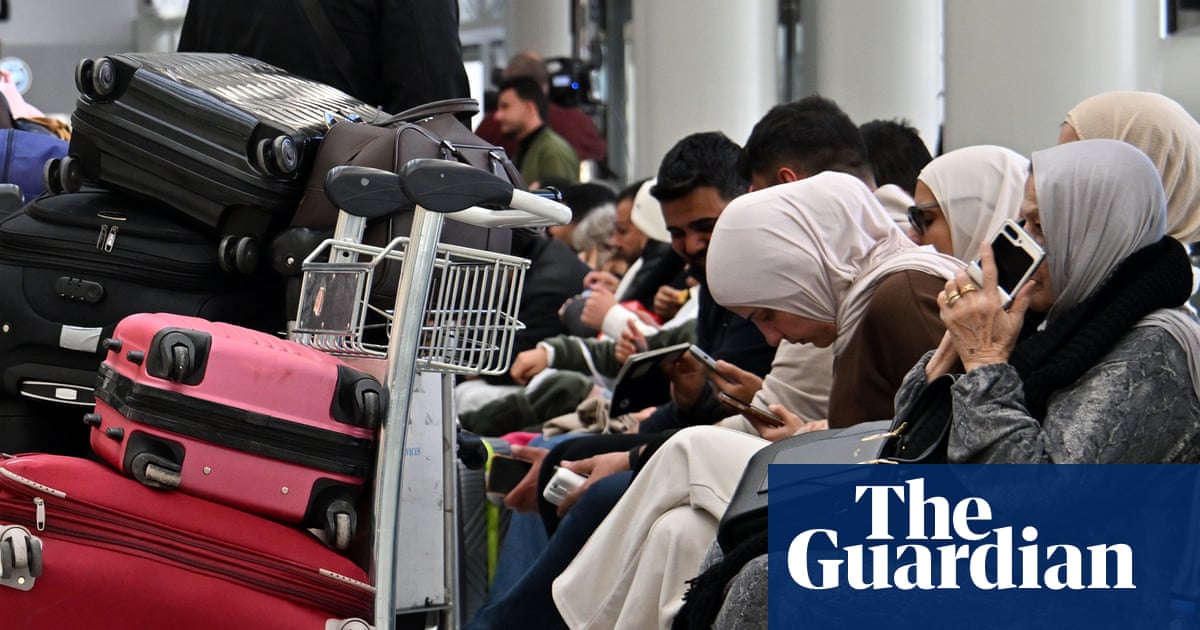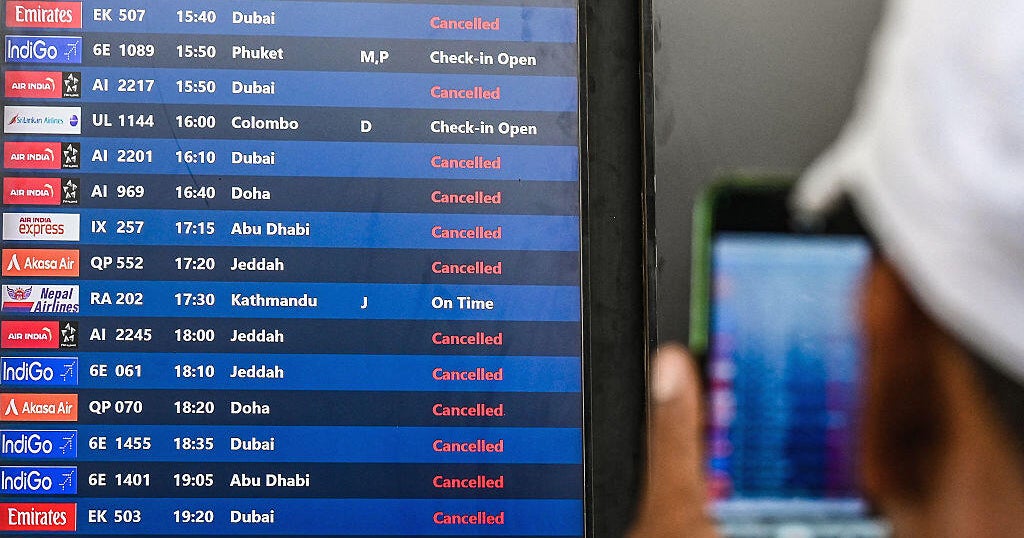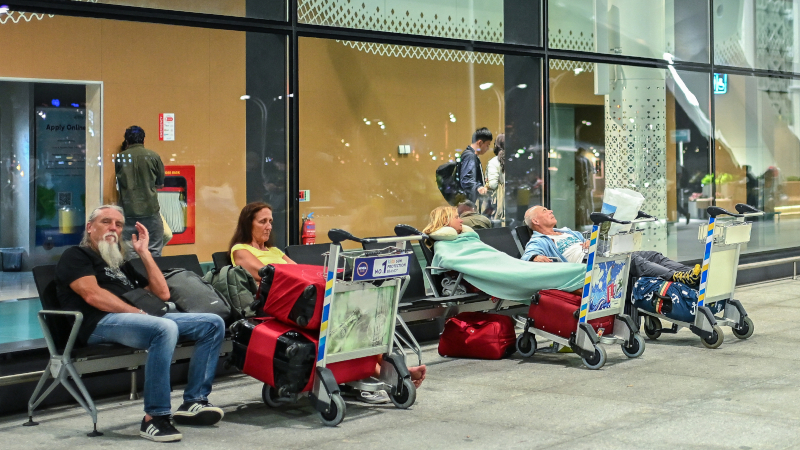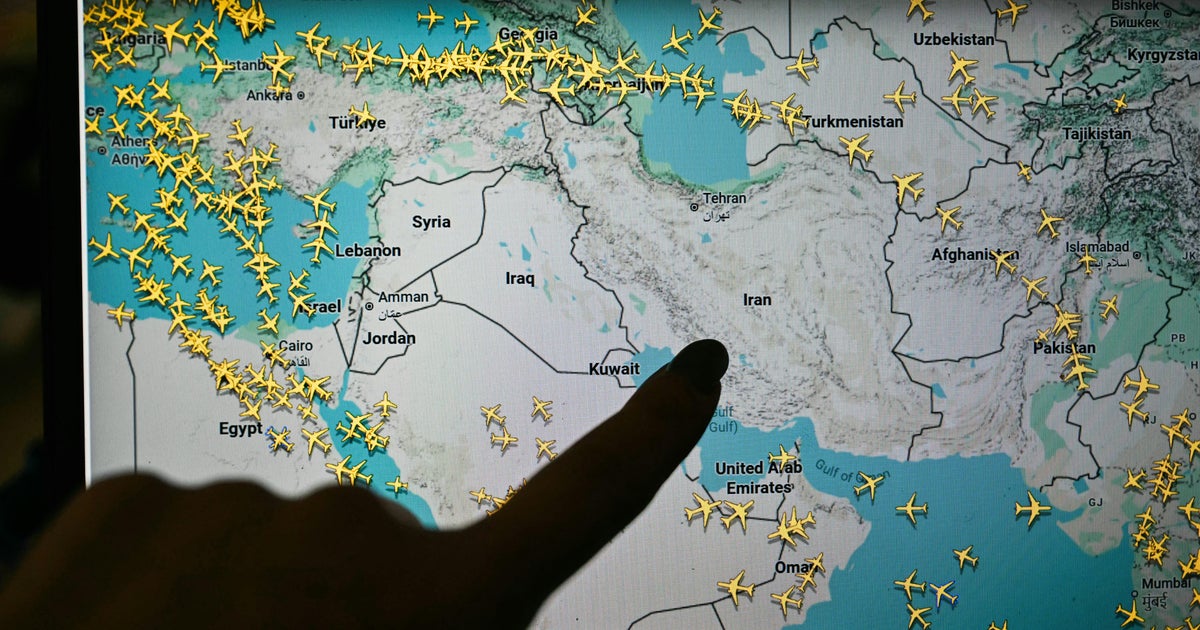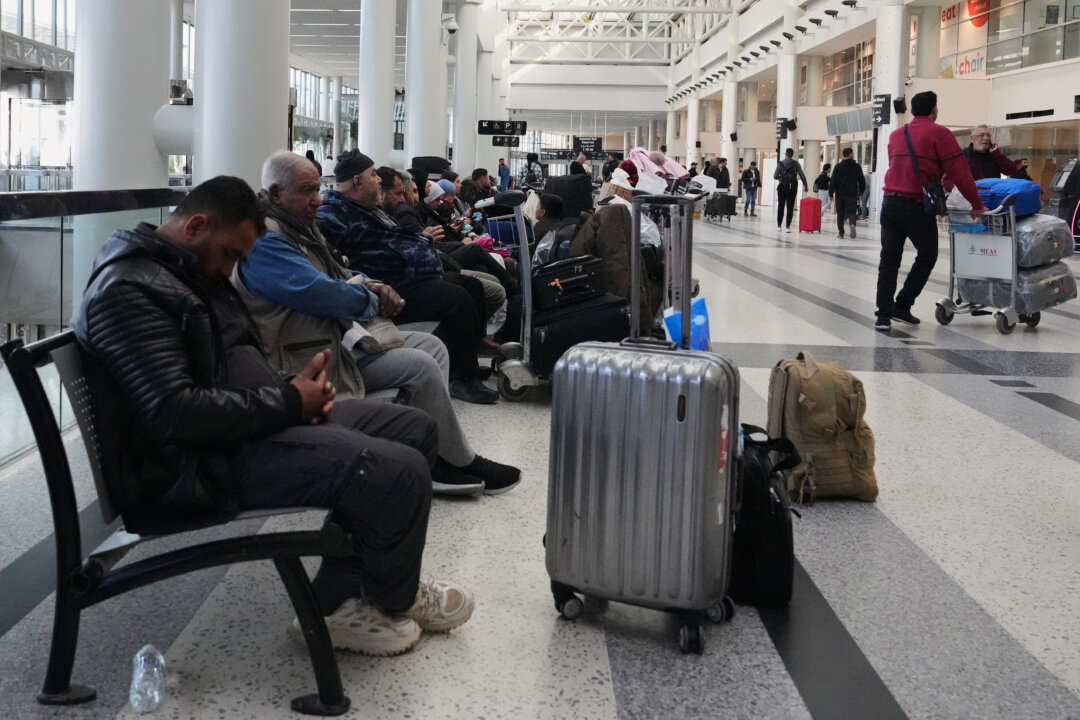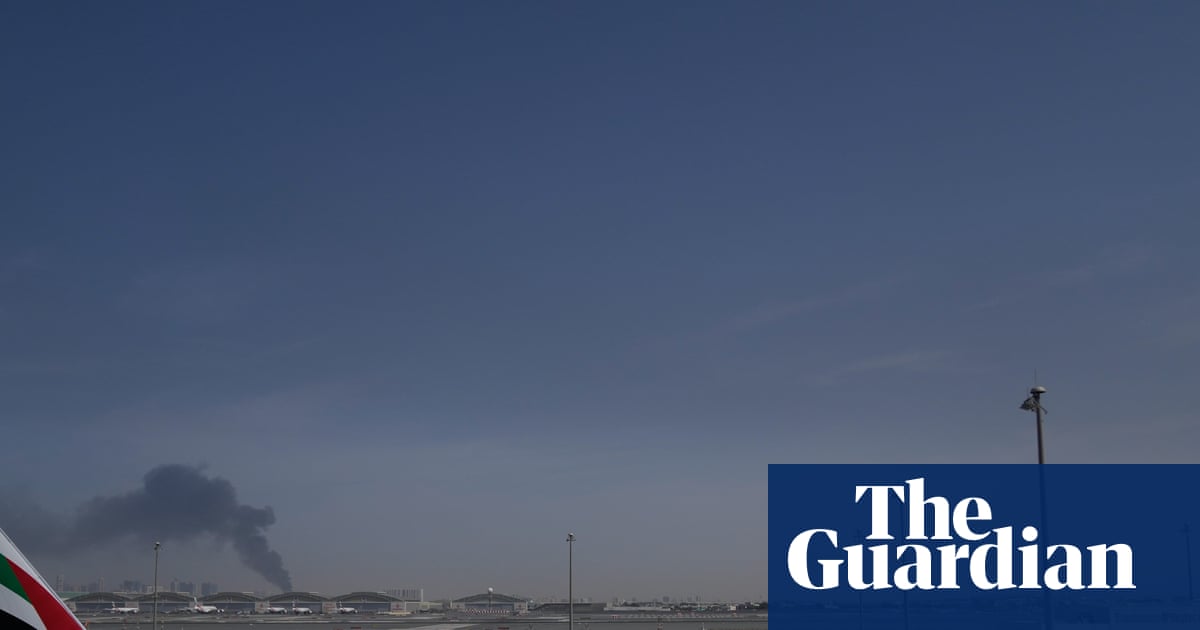




Hundreds of thousands of travelers have been stranded or delayed after coordinated U.S.-Israeli strikes on Iran and subsequent Iranian retaliation triggered widespread airspace closures and airport shutdowns across the Middle East. Liberal and conservative outlets agree that key hubs such as Dubai, Abu Dhabi, Doha, Manama, and other Gulf airports suspended or sharply curtailed operations, producing thousands of flight cancellations and diversions that rippled across global networks, affecting journeys as far away as Europe, Asia, Australia, and South America. Both sides report that airlines including Emirates, Qatar Airways, Etihad, and El Al halted or limited commercial flights, that some carriers are now cautiously restarting limited services out of Dubai and other hubs, and that governments like the UK and Germany are preparing or considering evacuations and issuing travel advisories urging citizens to shelter in place. Coverage also aligns on the view that call centers are overwhelmed, rerouting often requires long detours around closed airspace, delays may last days, and that the financial consequences for airlines, travel companies, and passengers are already substantial.
Liberal and conservative sources concur that the chaos is linked to an escalation of the broader U.S.-Israel–Iran confrontation, with Iranian missile and drone strikes following earlier U.S.-Israeli attacks, and that security concerns are driving airspace and airport closures rather than purely logistical problems. Both sides place the crisis in the context of global aviation vulnerabilities exposed previously by the Covid-19 pandemic, noting that the current disruption is among the worst since that period and has major implications for international connectivity through Gulf mega-hubs. They similarly highlight the limited protection offered by standard travel insurance for war-related disruptions, the role of embassies and consular services in advising or assisting citizens, and the expectation that airlines will rely heavily on rebooking, route changes, and gradual reopening of airspace to unwind the backlog. There is shared recognition that the duration and trajectory of the disruption hinge on security assessments and political decisions in Washington, Jerusalem, Tehran, and Gulf capitals, leaving both travelers and industry planners facing significant uncertainty.
Areas of disagreement
Framing of the strikes and responsibility. Liberal-aligned outlets typically describe the events as U.S. and Israeli strikes on Iran followed by Iranian retaliation, emphasizing the chain reaction but avoiding explicit claims about regime change or calling the strikes “unprovoked.” Conservative sources more often characterize the operations as coordinated U.S.-Israeli strikes aimed at toppling or decapitating the Iranian regime, sometimes stressing that the initial U.S.-Israeli action was “unprovoked” by Iran’s immediate military moves. Liberal coverage tends to diffuse responsibility across all parties to the conflict, whereas conservative coverage more sharply blames Washington and Jerusalem for triggering the air travel shutdown and then highlights Tehran’s missile and drone response as escalating the risk.
Emphasis on human impact versus strategic stakes. Liberal reporting foregrounds the passenger experience—stranded tourists and business travelers, jammed airline phone lines, unclear timelines for return flights, and the practicalities of rebooking or sheltering in hotels—while embedding these stories in broader consumer and travel-industry angles like ticket prices and insurance coverage. Conservative outlets also note stranded passengers but lean more heavily into geopolitical framing, focusing on the military objectives of the strikes, the death of senior Iranian figures, and the conflict’s role in reshaping regional security. As a result, liberal coverage centers on humanitarian disruption and logistical strain, whereas conservative coverage presents the travel chaos as collateral to a decisive confrontation with Iran.
Economic and industry focus. Liberal sources stress airline and tourism-sector losses, the hit to travel company share prices, and comparisons to the Covid-era collapse in demand, treating the crisis as a systemic shock to global aviation and consumer confidence. Conservative outlets acknowledge economic fallout but more often tie it to broader questions of energy markets, shipping routes, and the costs of instability in a strategically vital region, sometimes suggesting that such economic pain is an inevitable byproduct of confronting hostile regimes. Liberal narratives thus highlight the need to protect consumers and stabilize commercial aviation, while conservative narratives situate the economic impact within a larger story of security priorities and Western resolve.
Role of governments and risk communication. Liberal reporting tends to scrutinize how governments manage citizen safety—evacuation planning, embassy advisories, and the limits of consular assistance—while also critiquing gaps in protections like insurance exclusions for acts of war. Conservative coverage more often portrays governments, especially the U.S. and its allies, as taking necessary security steps that understandably constrain air travel, casting advisories and restrictions as prudent responses to a volatile situation rather than as failures. This leads liberal outlets to ask whether institutions are adequately safeguarding travelers and regulating industry obligations, while conservative outlets more frequently defend restrictive measures as justified by the need to prosecute the conflict and deter adversaries.
In summary, liberal coverage tends to treat the flight cancellations and airspace closures primarily as a consumer, humanitarian, and systemic aviation crisis rooted in a dangerous regional escalation, while conservative coverage tends to frame them as consequential but secondary effects of a high-stakes military confrontation in which confronting Iran and reshaping regional security take center stage.
Story coverage