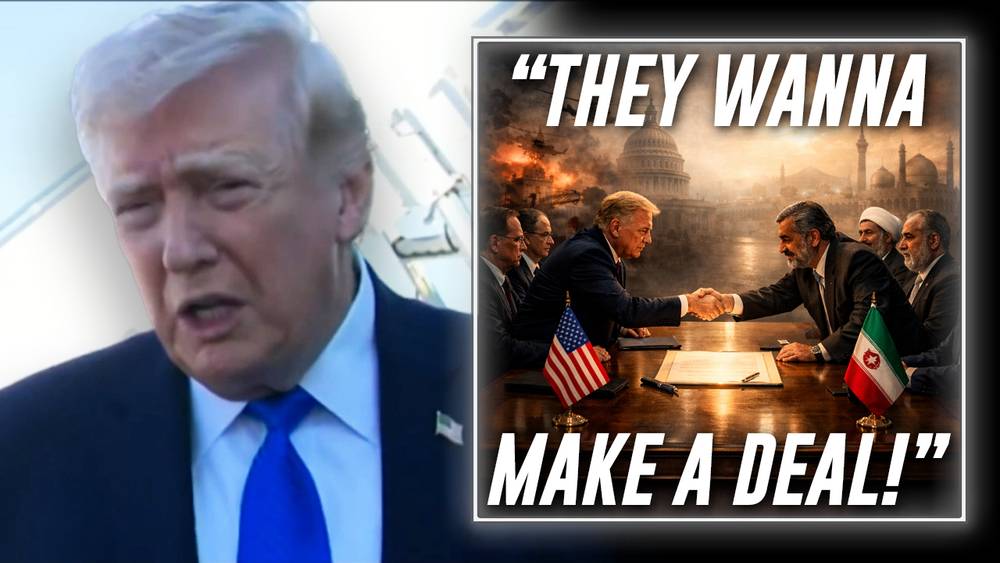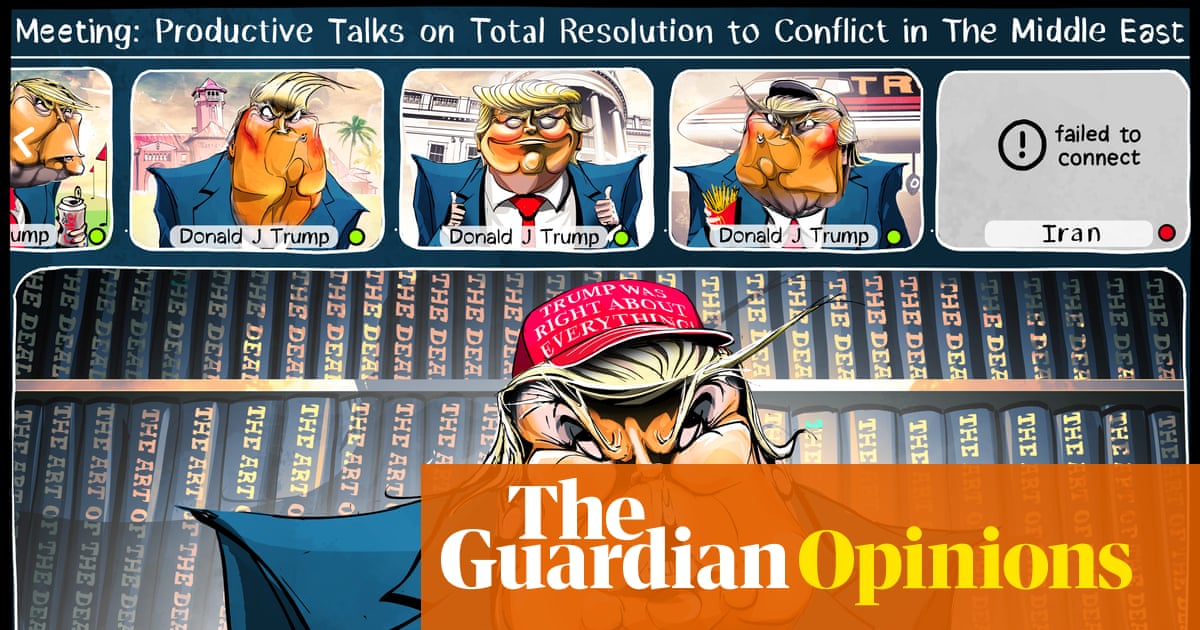





Reports across the spectrum agree that President Donald Trump has repeatedly claimed the United States and Iran are engaged in talks or negotiations aimed at ending the current conflict and easing regional tensions, often describing the contacts as “very good” or “productive” and asserting that Iran “wants to make a deal” and has agreed “never” to have a nuclear weapon. Both liberal and conservative outlets note that Tehran’s official line, particularly from the Iranian foreign ministry, has been to deny that direct talks are underway, even as some Iranian officials acknowledge receiving U.S. messages via mediators and backchannels. Coverage on both sides cites a reported 15‑point U.S. ceasefire or peace framework, references postponements or extensions of U.S. military strike deadlines, and highlights parallel U.S. preparations to deploy thousands of additional airborne troops to the Middle East amid ongoing Iranian strikes against Israel and Gulf Arab states. Markets and prediction platforms are consistently portrayed as reacting to the mixed signals, with stock rallies and shifting odds on de‑escalation tied to each new claim of talks or denial from Tehran.
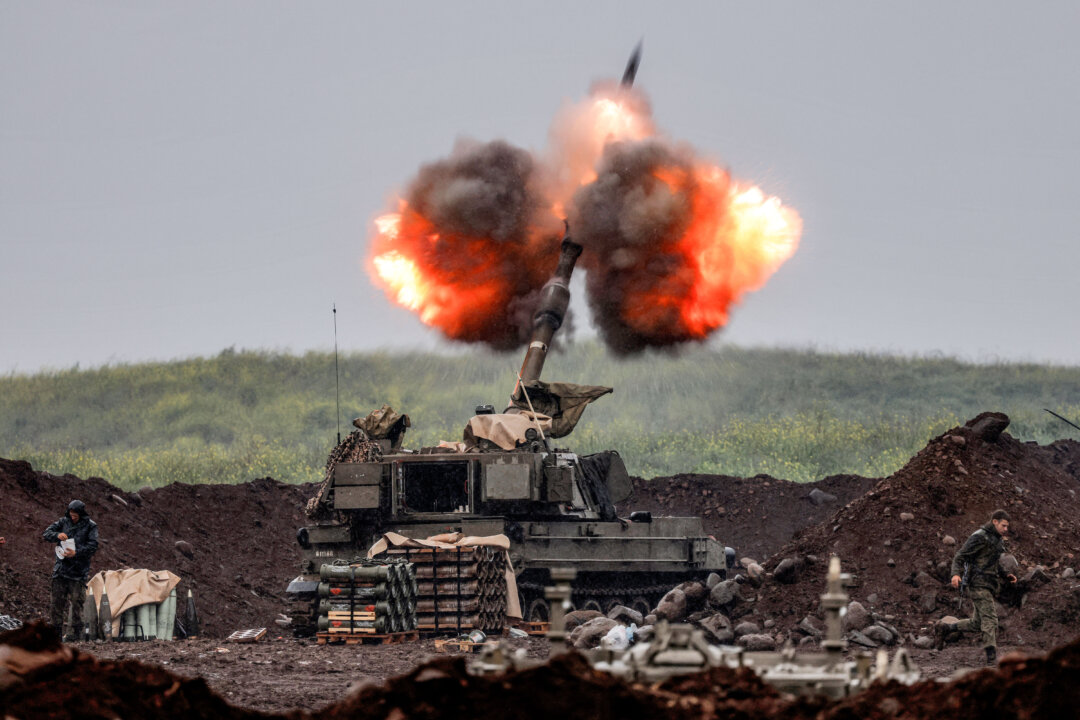
Liberal and conservative sources also converge in describing a wider regional crisis that encompasses Israeli operations in southern Lebanon, attacks near Iran’s Bushehr nuclear plant, and a broader war environment labeled under U.S. operational names like ‘Operation Epic Fury.’ Both sides present the institutional context of U.S.–Iran relations as shaped by years of mistrust, prior failed diplomatic efforts, sanctions, and disputes over Iran’s nuclear enrichment program, which remains a central sticking point. They note the role of intermediaries and third countries—such as Pakistan and Egypt—in facilitating or hosting potential talks, and mention that messages have been exchanged through these channels even when Tehran publicly denies negotiations. Across the board, outlets frame the moment as an uncertain but potential off‑ramp from escalation, with any prospective deal needing to address ceasefire terms, nuclear constraints, regional security guarantees, and significant war‑funding and deployment decisions by the U.S. government.
Areas of disagreement
Reality of negotiations. Liberal‑aligned outlets emphasize the gap between Trump’s public claims of ongoing, “very good” talks and Tehran’s categorical denials, often framing negotiations as tentative, mostly backchannel, and at times possibly exaggerated by the White House for political or market effect. Conservative outlets tend to treat Trump’s assertions and U.S.–Israeli statements that negotiations are “under way” as more straightforwardly credible, casting Iranian denials as diplomatic posturing or an attempt to preserve domestic face. While liberals highlight uncertainty over whether a true negotiating framework exists beyond message‑passing, conservatives more readily depict an active peace process that Iran is reluctant to acknowledge publicly.
Motives and political framing. Liberal coverage frequently questions Trump’s motives, suggesting that talk of imminent deals, “won war” rhetoric, and claims that Iran has agreed never to pursue nuclear weapons may be aimed at domestic political gain, narrative control, or calming jittery markets despite limited substantive progress. Conservative coverage tends to frame Trump’s stance as strong leadership leveraging pressure to bring Iran to the table, portraying Tehran as the actor seeking relief from bombardment and economic pain. Where liberals stress the risk of spin and the possibility that Washington is overselling thin diplomatic movement, conservatives underscore Iranian weakness and desire for a deal as validation of Trump’s maximum‑pressure approach.
Assessment of the 15‑point plan and U.S. strategy. Liberal‑leaning outlets often describe the reported 15‑point proposal as a rehashed, previously rejected framework with stringent nuclear and financial conditions that suggest the U.S. is not seriously adjusting its demands, and they highlight skepticism among diplomats that Iran will accept it. Conservative outlets instead present the 15‑point ceasefire plan as a concrete and reasonable offer that could halt bombardment and provide an “off ramp,” focusing less on its origins and more on Iran’s responsibility to respond. Liberals emphasize the risk that this approach prioritizes optics over genuine compromise, whereas conservatives focus on the plan as evidence that Washington has put a substantive deal on the table and that further escalation would be Iran’s choice.
Characterization of risk and escalation. Liberal sources stress the contradiction between talk of peace and the simultaneous U.S. deployment of thousands of airborne troops and preparations for further strikes, portraying a volatile situation in which miscalculation or overconfidence in Trump’s rhetoric could deepen the conflict. Conservative outlets, while acknowledging troop movements and ongoing operations, more often frame them as necessary leverage that strengthens the U.S. negotiating position and deters Iranian aggression, thereby making peace more likely. Liberals thus warn that militarization and maximalist demands could derail fragile contacts, whereas conservatives argue that credible force has already pushed Iran toward “talking sense” and will continue to do so.
In summary, liberal coverage tends to portray Trump’s claims of US–Iran peace talks as exaggerated, politically motivated, and constrained by unrealistic demands amid a dangerously militarized standoff, while conservative coverage tends to treat the talks as real and substantive, crediting Trump’s pressure strategy and military posture for bringing a reluctant Iran closer to a potential deal.