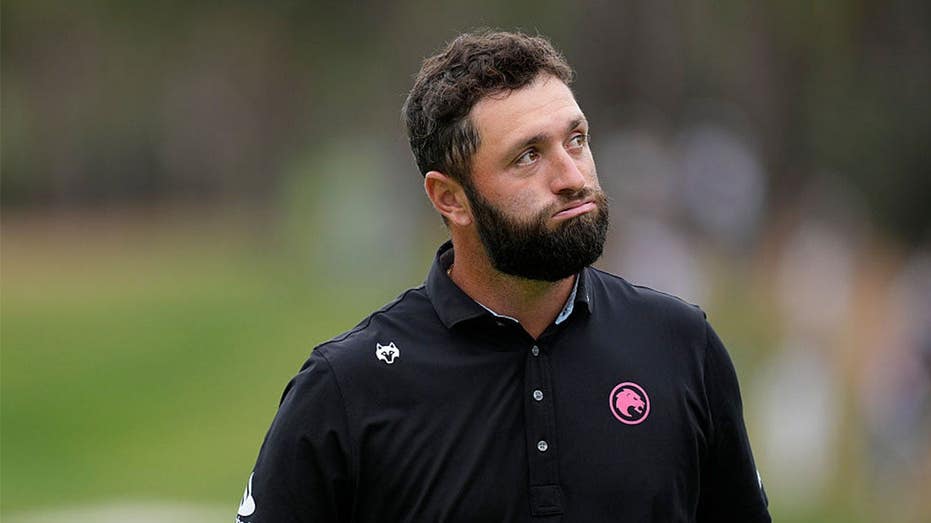
Saudi Arabia’s Public Investment Fund (PIF) has announced that it will stop funding the LIV Golf league after the 2026 season, a decision reported across both liberal and conservative outlets as effectively setting an end date for PIF’s direct financial backing. Coverage agrees that LIV has been heavily loss-making, with hundreds of millions spent annually and a cumulative investment expected to reach several billions by 2026, while TV ratings have lagged expectations even as the league has added broadcast partnerships and sponsorships. Both sides note that LIV faces expiring contracts for several star players and that at least one tournament, in New Orleans, has been postponed, underscoring questions about the league’s sustainability without continued Saudi backing and the need to seek new investors or a revised business model.
Liberal and conservative reports alike situate the development within the broader landscape of global golf and sovereign-wealth-backed sports ventures, emphasizing that PIF has used LIV as part of a strategy to gain influence in international sports and challenge the PGA Tour’s dominance. They agree that the funding halt reflects a shift in PIF’s priorities amid wider macroeconomic and geopolitical pressures, with the fund emphasizing more disciplined capital allocation and reassessment of large, unprofitable projects. Outlets from both camps also reference ongoing attempts to negotiate some form of détente or partnership between the PGA Tour and PIF, suggesting that LIV’s uncertain future could affect player movement, tournament structures, and the balance of power in professional golf more broadly.
Areas of disagreement
Significance of the pullback. Liberal-aligned coverage tends to frame the decision as a major inflection point that exposes the structural weaknesses of LIV’s business model and raises doubts about whether the league can survive in anything like its current form. Conservative outlets more often describe it as an inevitable and pragmatic correction after an experimental spending spree, stressing that PIF always intended to reassess the venture’s long-term viability. Where liberal sources emphasize vulnerability and potential collapse, conservative sources highlight strategic recalibration rather than failure.
Motives behind PIF’s decision. Liberal sources frequently connect the move to broader criticism of Saudi sports investments, suggesting that reputational costs, weak viewership, and limited fan engagement made the project less attractive as a soft-power tool. Conservative coverage leans more on PIF’s stated rationale of changing macroeconomic conditions and portfolio reprioritization, portraying the decision as driven by economics and strategy rather than external pressure. Liberals thus foreground political and image-related factors, while conservatives emphasize financial discipline and shifting opportunity costs.
Impact on professional golf. Liberal-leaning reports tend to stress that LIV’s troubles vindicate critics who said the breakaway league would destabilize golf without delivering lasting growth for the sport or its fans, and they suggest the PGA Tour may ultimately be strengthened. Conservative sources, by contrast, are more likely to argue that LIV succeeded in shaking up a complacent establishment by forcing higher payouts and innovation, even if its funding model is changing. While liberals see a cautionary tale about disruptive money in sports, conservatives describe a disruptive force that achieved significant leverage despite its financial losses.
Future of LIV and PIF’s sports strategy. Liberal outlets often cast the 2026 deadline as a potential prelude to downsizing or folding LIV unless radically new backers emerge, framing it as a retreat that could slow Saudi influence in golf. Conservative coverage is more inclined to speculate about restructuring, mergers, or alternative investment vehicles that might keep Saudi capital involved in golf and other sports, even if LIV’s current format is scaled back. Liberals thus talk more about contraction and limits to Saudi sportswashing, while conservatives focus on adaptation and the likelihood that PIF remains a powerful player in global sports.
In summary, liberal coverage tends to interpret the PIF pullback as a warning sign about the sustainability and political costs of Saudi-backed disruption in golf, while conservative coverage tends to present it as a rational strategic adjustment by an investor that has already reshaped the sport and can redirect its resources elsewhere.