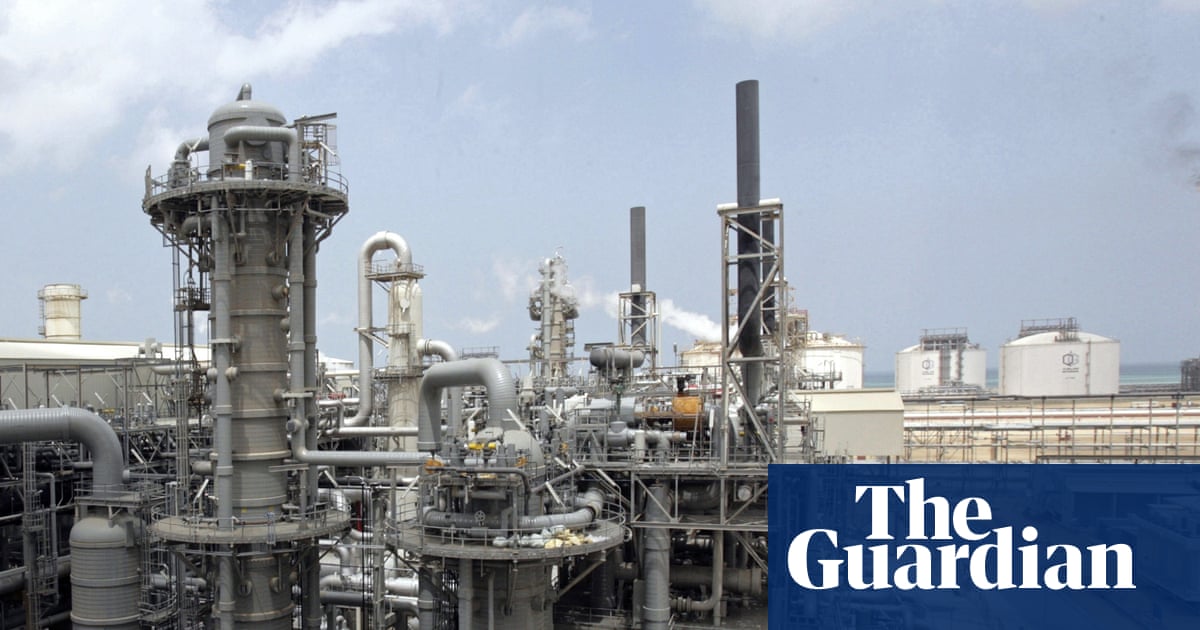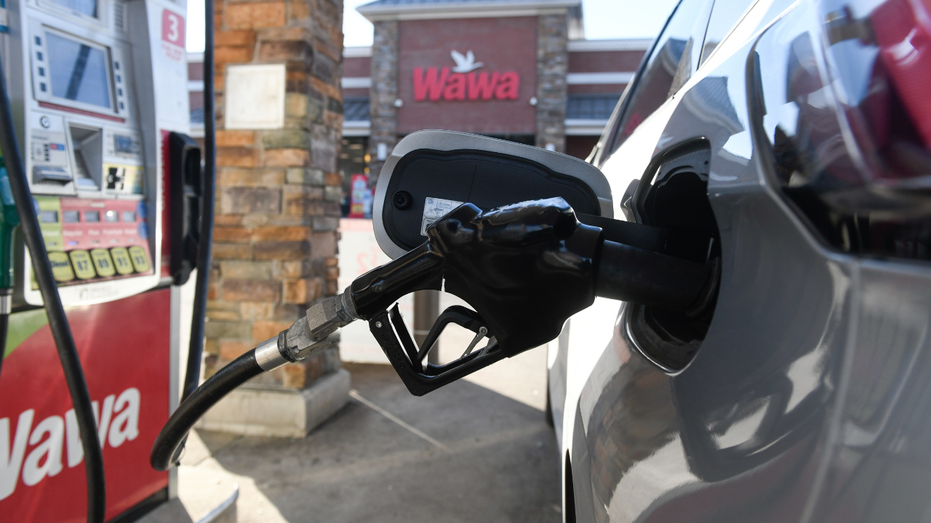


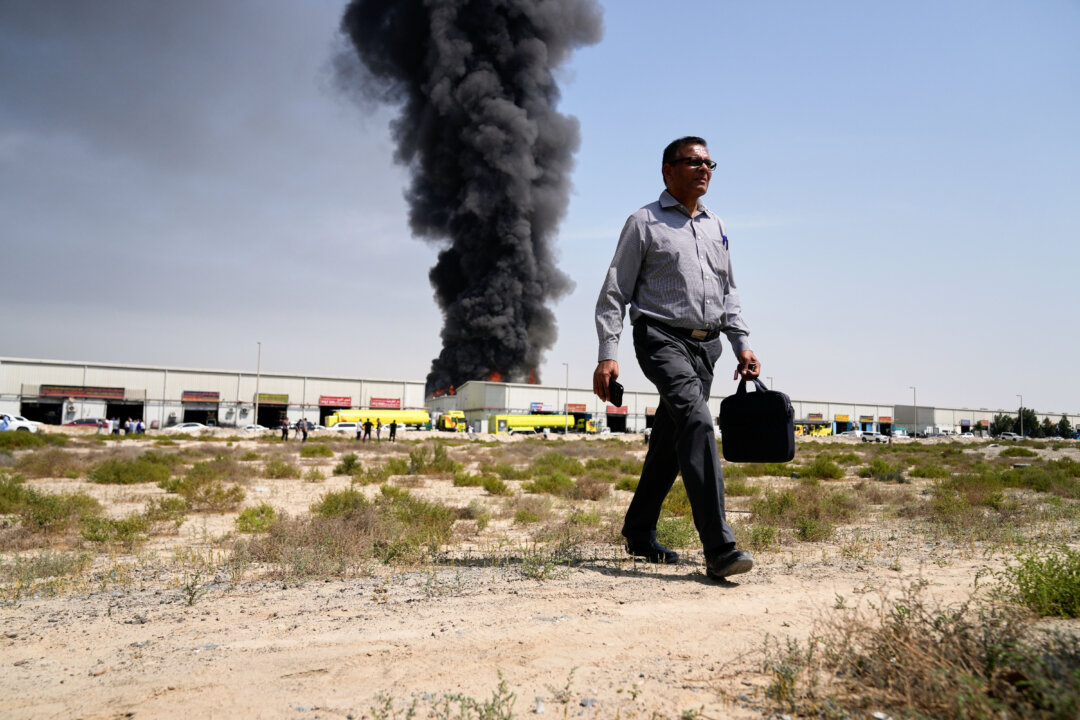
Oil and gas coverage across liberal and conservative outlets agrees that the latest U.S. and Israeli strikes on Iran, combined with Iranian retaliation, have driven a sharp surge in global energy prices and market volatility. Both sides report Brent crude jumping roughly 7–10% to the high‑$70s to near $80 a barrel, with U.S. benchmarks such as West Texas Intermediate rising above $71–$72 and expectations that U.S. crude could top $70 when trading reopens. They concur that tanker traffic through the Strait of Hormuz has slowed dramatically or nearly halted in some scenarios, that LNG production and key refineries in the Gulf region face heightened risk, and that gas prices at U.S. pumps are already rising and could climb another 25–50 cents per gallon in the near term. Both note that equity markets, particularly in Europe and Asia, have sold off on fears of extended supply disruption, while safe‑haven assets like gold are gaining.
Liberal and conservative sources also broadly agree on the strategic importance of the Strait of Hormuz as a chokepoint for a large share of global oil and LNG flows, and that any sustained disruption there can quickly transmit into higher consumer prices worldwide. They describe shared scenarios in which prolonged conflict or additional attacks on Saudi, Qatari, or other regional energy infrastructure could push Brent crude well above $80 and potentially toward $100 a barrel or more, with European natural gas prices spiking above current levels. Both sets of outlets highlight that central banks, especially the Federal Reserve, are closely watching energy prices because they feed into inflation and influence interest‑rate decisions, and they acknowledge that the current shock comes on top of existing inflation worries. There is consensus that the ultimate price path depends heavily on whether the conflict escalates into a wider regional war or de‑escalates through diplomacy, leaving markets highly sensitive to further military or political developments.
Areas of disagreement
Responsibility and blame. Liberal outlets tend to emphasize the role of U.S. and Israeli decisions—such as initiating or escalating strikes on Iran and targeting its leadership—in triggering the current price spike and supply fears, portraying the conflict as a man‑made shock that could have been mitigated through different policies. Conservative outlets more often frame the situation as the result of Iran’s destabilizing behavior and retaliation, stressing Tehran’s threats to the Strait of Hormuz and regional energy assets as the primary cause of price volatility. While liberals highlight Western military choices as key catalysts, conservatives focus blame on Iran’s aggression and broader instability in the Middle East.
Economic framing and inflation risk. Liberal coverage frequently links the surge in oil and gas prices to risks of renewed inflationary pressure that could undercut claims that inflation is tamed, with some pieces suggesting this may complicate President Trump’s push for lower interest rates and pose stagflation dangers if the conflict drags on. Conservative outlets acknowledge inflation risks but often present them as a more contained, potentially short‑term shock driven by geopolitics rather than domestic policy, sometimes stressing market resilience and uncertainty about the rally’s longevity. Liberals tend to stress vulnerabilities for lower‑income households and global growth, whereas conservatives focus more on market turbulence and price mechanics than on inequality or political ramifications.
Policy implications and energy strategy. Liberal sources are more likely to present the crisis as evidence of the world’s continued vulnerability to fossil‑fuel dependence and chokepoints like the Strait of Hormuz, implicitly or explicitly underscoring the value of diversification and long‑term structural reforms. Conservative coverage frames the episode more as a reminder of the importance of robust domestic production, energy independence, and stable foreign policy to shield the U.S. from external shocks, with less emphasis on transition away from oil and gas. Where liberals spotlight systemic exposure and global coordination, conservatives emphasize strengthening U.S. output and security posture.
Political and geopolitical narrative. Liberal outlets often situate the price spike within a broader narrative of Middle East wars undermining economic stability and consumer confidence, warning that further escalation could derail global markets and complicate Western political agendas. Conservative sources, while acknowledging market stress, tend to underscore the need to confront Iran and maintain deterrence, treating energy price volatility as a trade‑off for upholding security interests. Liberals stress the risks of militarization and its domestic political costs, whereas conservatives stress geopolitical resolve and the dangers of appearing weak in the face of Iranian actions.
In summary, liberal coverage tends to foreground the role of Western military escalation, consumer hardship, and systemic dependence on fossil fuels, while conservative coverage tends to emphasize Iranian aggression, market and security resilience, and the importance of strong U.S. energy and foreign policy.
Story coverage